Some engine problems are too complex for basic mechanics. Learn which issues require master-certified expertise in Athens, GA.
Share:
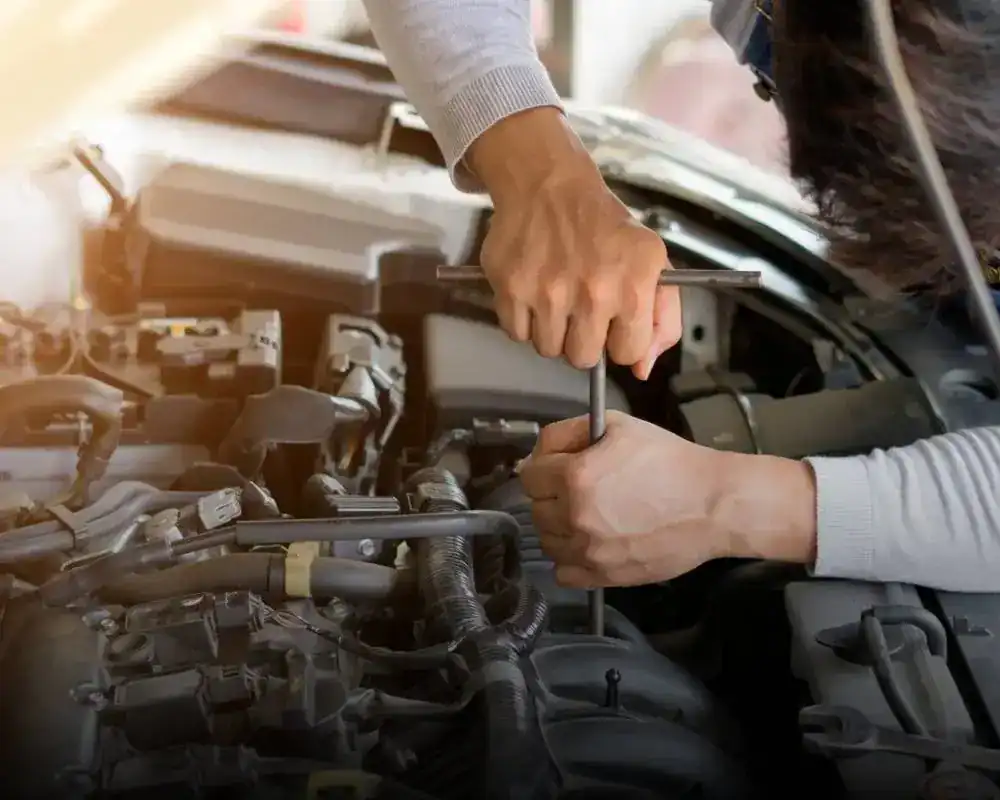
Modern engines contain as many computer components as mechanical parts, creating diagnostic challenges that go far beyond basic troubleshooting. When multiple systems interact in unexpected ways, only master-certified technicians have the training to identify root causes rather than symptoms.
Master technicians use advanced diagnostic equipment that can read data from dozens of sensors simultaneously, analyzing patterns that reveal problems invisible to standard code readers. We understand how seemingly unrelated systems can affect each other, preventing the costly mistake of replacing parts that aren’t actually failing.
Your check engine light can be triggered by hundreds of different codes, and the most challenging cases involve multiple system failures occurring simultaneously. What appears to be a simple oxygen sensor problem might actually indicate timing chain issues, fuel system contamination, or internal engine damage.
Master technicians don’t just read codes – we perform comprehensive system analysis to understand why multiple codes are appearing together. We know that fixing one code without addressing underlying causes often leads to the same problems recurring within weeks or months.
For example, a P0300 random misfire code combined with lean fuel mixture codes might indicate vacuum leaks, but it could also signal internal engine wear, carbon buildup, or even transmission problems affecting engine load. Only experienced diagnosticians can differentiate between these possibilities without replacing unnecessary parts.
The diagnostic process involves testing fuel pressure, compression, ignition timing, and exhaust backpressure while monitoring live data from engine sensors. This level of analysis requires specialized equipment and interpretation skills that take years to develop. Attempting to diagnose complex multi-code situations without proper training typically results in replacing expensive components that weren’t actually faulty.
American V8 engines, particularly high-performance and muscle car variants, present unique challenges when internal components begin failing. These engines often mask symptoms until damage becomes severe, and their complex valve train configurations require specialized knowledge to diagnose properly.
Timing chain stretch, lifter failure, and camshaft wear create symptoms that can be easily misdiagnosed as simpler problems. A master technician understands the specific failure patterns of different V8 configurations and knows how to distinguish between normal wear and impending catastrophic failure.
Internal engine noise diagnosis requires years of experience listening to different failure modes. What sounds like a simple valve adjustment to an untrained ear might actually be bearing knock, timing chain rattle, or piston slap. Misdiagnosing these sounds can lead to attempting minor repairs when major internal work is actually needed.
V8 engines also have unique oiling system requirements and cooling patterns that affect component longevity. We understand how modifications, driving patterns, and maintenance history influence internal wear patterns. We can predict which components are likely to fail next based on current symptoms and recommend preventive measures that save thousands in future repairs.
The complexity increases with performance modifications, aftermarket components, and non-standard configurations common in muscle cars and custom builds. These situations require technicians who understand both original engineering specifications and how modifications affect engine behavior and longevity.
Certain engine symptoms indicate problems so severe that continued driving risks complete engine destruction. Recognizing these warning signs and getting immediate professional diagnosis can mean the difference between a manageable repair and total engine replacement.
These critical symptoms often develop gradually, making them easy to ignore until catastrophic failure occurs. Master technicians can identify early warning signs and take preventive action before minor problems become major disasters.
When your engine overheats but you can’t find external coolant leaks, you’re likely facing internal engine damage that requires immediate expert attention. This situation typically indicates head gasket failure, cracked cylinder heads, or engine block damage – problems that can destroy your engine within minutes of continued operation.
Internal coolant loss creates a cascading failure pattern where overheating causes additional damage, which increases coolant loss, leading to more severe overheating. Only master technicians have the diagnostic equipment to pinpoint exactly where coolant is escaping internally and assess the extent of damage already caused.
The diagnostic process involves pressure testing the cooling system, checking for combustion gases in the coolant, and performing cylinder leak-down tests to identify which cylinders are compromised. These tests require specialized equipment and interpretation skills that prevent unnecessary engine disassembly.
Head gasket failure symptoms can mimic other problems, leading inexperienced technicians to misdiagnose the issue. White exhaust smoke might be attributed to simple condensation, while rough idling could be blamed on ignition problems. Master technicians understand the subtle differences between normal operation and early head gasket failure signs.
Attempting to continue driving with internal coolant loss typically results in warped cylinder heads, cracked engine blocks, or seized pistons. The repair costs escalate from a few thousand dollars for head gasket replacement to complete engine replacement costing $8,000 or more. Professional diagnosis within the first few overheating episodes can prevent this catastrophic damage progression.
Engine knock represents one of the most dangerous conditions your engine can experience, capable of destroying pistons, connecting rods, and crankshafts within minutes. What makes knock particularly treacherous is that it often starts subtly and can be masked by other engine noises until severe damage occurs.
Master technicians can distinguish between different types of engine knock – detonation knock caused by fuel quality or timing issues, bearing knock from worn engine components, and piston slap from cylinder wear. Each type requires different diagnostic approaches and repair strategies, making professional evaluation critical.
Modern engines use knock sensors and computer controls to prevent detonation, but these systems can fail or become overwhelmed by mechanical problems. When knock sensors malfunction or timing chains stretch, the engine loses its ability to protect itself from destructive detonation. Master technicians understand how these protective systems work and can diagnose their failures before engine damage occurs.
Carbon buildup in direct injection engines creates hot spots that cause knock even with proper fuel and timing. This condition requires specialized cleaning procedures and diagnostic techniques to identify and resolve. Attempting to address knock symptoms without understanding the underlying cause typically leads to repeated failures and progressive engine damage.
Timing-related performance issues often present as gradual power loss, poor fuel economy, and subtle changes in engine sound that owners might attribute to normal aging. Master technicians can identify timing problems before they progress to complete timing chain failure, which often results in bent valves and destroyed pistons in interference engines.
The engine problems we’ve discussed represent just a fraction of the complex issues that require master-level expertise to diagnose and repair properly. Attempting DIY repairs or using inexperienced technicians on these problems typically results in misdiagnosis, unnecessary part replacement, and often catastrophic engine damage.
Master-certified technicians have demonstrated proficiency across all major engine systems through rigorous testing and continuous education requirements. We possess the diagnostic skills, specialized equipment, and experience necessary to identify root causes rather than just replacing parts until problems disappear.
When you’re facing complex engine problems in Athens, GA, choosing a shop with master-certified technicians isn’t just about getting quality repairs – it’s about protecting your investment and ensuring your safety on the road. At Pro Transmissions & Automotive of Athens, we employ master-certified technicians with the expertise to handle even the most challenging engine diagnostics and repairs, backed by comprehensive warranties that demonstrate confidence in our work.
Article details:
Share:
Continue learning: