Navigate your transmission break-in period with confidence. Learn what's normal and what requires immediate attention from Athens' transmission experts.
Share:
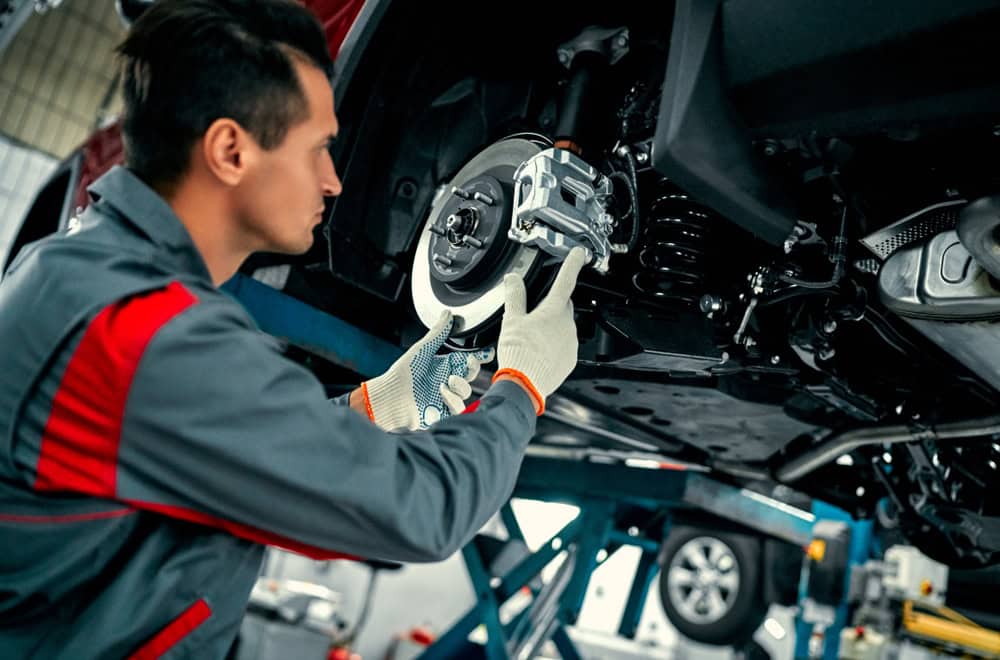
A transmission break-in period isn’t just a suggestion—it’s essential for ensuring your rebuilt components mesh properly and perform optimally for years to come. During a rebuild, new clutch packs, seals, gaskets, and other components are installed, and they need time to settle into their operating patterns.
Think of it like breaking in a new pair of work boots. Everything needs to find its groove before you can expect peak performance. The break-in process allows transmission fluid to circulate properly through new passages, helps components seat correctly, and ensures that all the precise tolerances work together smoothly.
Most transmission professionals recommend a break-in period of 500 to 1,000 miles, though the specific requirements can vary based on the extent of your rebuild and the components that were replaced.
The first 500 miles are the most critical for your rebuilt transmission. During this period, you’re essentially teaching your transmission how to behave with its new components. The friction materials in clutch packs need to properly mate with their surfaces, seals need to set into their grooves, and the transmission fluid needs to reach all the new internal passages.
You might notice that shifts aren’t quite as smooth as they’ll eventually become. This is completely normal. New clutch materials often cause slightly firmer shifts until they wear in properly. The transmission control module is also learning the characteristics of your rebuilt transmission, adjusting shift points and pressures based on real-world performance.
During these first few hundred miles, avoid aggressive acceleration, especially from a standstill. Skip the highway on-ramps where you’d normally floor it to merge with traffic. Instead, accelerate gradually and steadily. Your transmission will thank you with smoother operation and longer life once the break-in period is complete.
The transmission fluid is working overtime during this period, carrying away microscopic metal particles from new surfaces as they wear in. This is why we recommend an early fluid change after the break-in period—it removes these particles before they can cause any issues.
The way you drive during the break-in period directly impacts your transmission’s long-term performance. The goal is to allow all components to gradually adapt to their new working relationship without subjecting them to unnecessary stress.
Start with gentle acceleration in all situations. When pulling away from a stop sign or traffic light, apply the accelerator gradually rather than quickly. This gives the transmission time to engage gears smoothly without forcing new clutch materials to grab suddenly. The same principle applies when passing other vehicles—plan ahead and accelerate steadily rather than demanding immediate power.
Avoid towing during the break-in period, even if your vehicle is normally rated for it. Towing puts additional stress on the transmission, forcing it to work harder when it should be learning to work smoothly. If you absolutely must tow something light, keep speeds low and distances short.
Highway driving is fine during break-in, but avoid sustained high speeds. Stick to normal speed limits rather than pushing your vehicle to its top end. The transmission needs to cycle through its gears regularly, so stop-and-go city driving is actually beneficial during this period, as long as you’re gentle with the throttle.
Pay attention to how your transmission responds during these first miles. It should feel progressively smoother as components settle in. If you notice any harsh shifting, slipping, or unusual behavior that gets worse rather than better, contact us immediately.
After a transmission rebuild, you’ll naturally be more aware of every sound your vehicle makes. The key is learning to distinguish between normal break-in sounds and genuine warning signs that require immediate attention.
Transmissions naturally make some noise during operation—this is completely normal and expected. The challenge is recognizing when these sounds fall outside the range of normal operation. Understanding what you’re hearing can save you unnecessary worry and help you identify real problems before they become expensive repairs.
A light humming or whirring sound during operation is completely normal for most transmissions. This is simply the sound of gears meshing and fluid circulating through the system. You might notice this sound more after a rebuild because you’re paying closer attention, but it’s been there all along.
Some transmissions produce a barely audible whining sound that changes pitch with engine RPM. This is typically the sound of the transmission pump working and is nothing to worry about. The pitch should be consistent and not harsh or grinding in nature.
You might hear a slight “click” or “thunk” when shifting from park to drive or reverse. This is the sound of components engaging and is perfectly normal. The sound should be brief and not accompanied by any harsh vibration through the vehicle.
During the break-in period, you might notice that shifts feel slightly different than they will once everything is fully settled. New friction materials can cause shifts to feel a bit firmer or softer than you’re used to. As long as the transmission is engaging gears properly and not slipping, these variations in shift feel are normal and will stabilize as the break-in period progresses.
If your vehicle has been sitting for a while, you might hear slightly more noise when you first start driving. This is normal as the transmission fluid circulates and reaches operating temperature. The sounds should diminish as the system warms up.
While many sounds are normal, certain noises after a transmission rebuild should prompt an immediate call to our shop. Learning to recognize these warning signs can prevent minor issues from becoming major problems.
Grinding noises are never normal and always require immediate attention. This harsh, metal-on-metal sound typically indicates that components are not meshing properly or that there’s insufficient lubrication. If you hear grinding, especially when shifting gears, stop driving and contact us immediately.
A high-pitched squealing or screeching sound often indicates a problem with the torque converter or a belt-driven component. This sound is distinctly different from normal operational humming and usually gets worse under load or acceleration.
Loud clunking or banging noises when shifting or during acceleration can indicate loose or damaged internal components. These sounds are typically accompanied by harsh shifts or vibration and should never be ignored.
If you notice any burning smells accompanying unusual noises, this is a serious warning sign. A burning smell often indicates overheating components or clutch materials that are slipping and generating excessive heat. Pull over safely and shut off the engine immediately if you detect burning odors.
Any noise that gets progressively worse rather than better during the break-in period is cause for concern. While some settling is normal, sounds that become more pronounced or frequent over the first few hundred miles indicate a problem that needs professional diagnosis.
The break-in period is your opportunity to ensure that your transmission rebuild delivers the performance and longevity you paid for. While most rebuilt transmissions settle in beautifully with proper care, knowing when to seek professional guidance protects your investment and gives you peace of mind.
Trust your instincts during this period. If something doesn’t feel right, it’s always better to have it checked than to worry about it or risk damage. We understand that the weeks following a rebuild can be stressful, and we’re here to support you through the process.
Remember that following proper break-in procedures isn’t just about avoiding problems—it’s about optimizing your transmission’s performance for the long term. Take care of your transmission during these critical first miles, and it will provide reliable service for years to come. If you have any concerns about sounds, shifting, or performance during your break-in period, don’t hesitate to contact us for expert guidance.
Article details:
Share:
Continue learning: