
You’re pulling out of your driveway when the car hesitates. A second later, it jerks into gear with a clunk that makes you wince. Maybe you’ve noticed a puddle of red fluid under your car, or a burning smell you can’t quite place. These aren’t quirks. They’re your transmission telling you something’s wrong.
Most transmission failures don’t happen suddenly. They build over time, sending warning signs that are easy to miss or ignore. The problem is, what starts as a $300 fix can turn into a $5,000 nightmare if you wait too long. Knowing what to watch for and when to act can be the difference between a quick repair and a complete rebuild.
Here’s what you need to know about the transmission problems that signal it’s time to get your vehicle checked—before you’re stranded on the side of the road.
Common Transmission Problems Every Driver Should Know
Your transmission is responsible for transferring power from the engine to the wheels, enabling your car to shift gears seamlessly and navigate different driving conditions. When something goes wrong, the symptoms show up in how your vehicle moves, sounds, and smells.
Understanding the signs your transmission went out before it fails can both lengthen the life of your transmission and save money. The key is recognizing the difference between normal wear and a problem that needs immediate attention. Some issues start small—a slight delay in shifting, a faint burning smell—but they don’t stay small for long.
A slipping transmission is more than an inconvenience—it’s a warning sign that shouldn’t be ignored. Left unaddressed, a minor slipping issue can quickly escalate into a complete transmission failure, leaving you stranded and facing significantly higher repair costs.
Transmission Slipping Signs You Can't Ignore
Transmission slipping occurs when your vehicle unexpectedly shifts gears without responding to the current speed, often resulting in delayed acceleration or unusual noises. It’s one of the most common transmission problems, and it’s also one of the clearest signals that something is seriously wrong.
Here’s what slipping actually feels like. You press the gas pedal, and instead of smooth acceleration, the engine revs higher than it should. The RPMs climb, but your speed doesn’t match. Your engine starts revving higher than normal, but your speed doesn’t match. This usually means your transmission is slipping and not staying in the proper gear. You might also notice a delay when shifting from Park to Drive, or a hesitation when the transmission tries to find the right gear.
“Slipping” occurs when an automatic transmission is unable to fully engage the proper gear. The most common symptom of a slipping transmission is the sensation that engine speed is rising without an increase in acceleration or vehicle speed. In some cases, you’ll feel the car jerk or lurch between shifts, especially under light acceleration.
Why does this happen? Transmission fluid lubricates the gears and keeps them cool. Low or dirty fluid can’t do its job, leading to poor performance and gear slipping. Worn clutch packs, damaged bands, or a failing torque converter can also cause slipping. The longer you drive with a slipping transmission, the more damage occurs to internal components.
There’s no safe timeline for driving with a slipping transmission. Some transmissions might limp along for weeks, while others could fail completely within miles. Each additional mile puts more stress on already-damaged components, potentially turning a repairable issue into one requiring a complete rebuild or replacement.
If you’re experiencing slipping in Clarke County, the smart move is to have it diagnosed immediately. What might be a simple fluid service or solenoid replacement today could become a multi-thousand-dollar rebuild tomorrow.
Fluid Leaks and What They Mean for Your Transmission
Leaking transmission fluid is one of the easiest transmission problems to identify. If you notice a red, sweet-smelling fluid underneath your car in the garage or a parking lot, your transmission fluid level needs to be checked and inspected for possible leaks.
Transmission fluid isn’t like engine oil. It doesn’t get consumed during normal operation. The fluid in your transmission is an important lubricant that helps maintain, and even extend, the life of your vehicle. Your transmission is a closed system, which means it is not like other components of your vehicle that might produce leaks more commonly. If your transmission is leaking fluid, that’s a sign that something is wrong.
Common leak sources include the transmission pan gasket, input or output shaft seals, cooler lines, or even a crack in the transmission case itself. A small leak might only drip a few drops overnight. A larger leak can leave a noticeable puddle and drop your fluid level dangerously low within days.
Here’s why leaks are urgent. The #1 cause of transmission failure is low fluid, which causes overheating. In automatic transmissions, it causes delayed engagement, harsh shifts, and slippage. When fluid levels drop, the transmission can’t maintain proper hydraulic pressure. Gears don’t engage smoothly. Components overheat. Internal damage accelerates.
When this fluid begins to leak, it can quickly have a negative impact on the performance and longevity of your gearbox. Reduced cooling capacity means excess heat can build up and potentially damage the transmission. Low fluid pressure can also lead to problems with gear shifts and create slippage.
Even a minor leak deserves immediate attention. The repair itself is often straightforward—replacing a gasket or seal typically costs a few hundred dollars. But if you ignore it and let the fluid level drop too low, you’re looking at internal damage that can cost thousands to repair. In Athens, where summer heat can push transmission temperatures even higher, a leak becomes even more dangerous.
If you spot red or brownish-red fluid under your vehicle, don’t wait. Have it inspected before the leak turns into a failure.
Warning Signs Your Transmission Needs Immediate Attention
Not all transmission problems announce themselves with dramatic symptoms. Some start quietly—a slight delay here, a faint smell there. But these early warnings are your chance to avoid a breakdown.
Recognizing the signs of transmission trouble early on can save you from more extensive and costly repairs down the road. The challenge is knowing which symptoms are normal aging and which ones signal a problem that’s about to get worse.
Experiencing transmission problems can turn your daily commute into a nightmare and leave you stranded at the worst possible moment. Recognizing the early warning signs of transmission failure can save you thousands in repair costs and prevent dangerous breakdowns.
Burning Smell and Overheating Transmission
This odor can be an indication that your transmission is overheating or the transmission fluid is old and burnt. A burning smell from your transmission is never normal, and it’s one of the clearest signs that you need to pull over and get help.
What causes that smell? If no leakage accompanies the burning odor, your transmission fluid is probably overheating due to clutch debris, breakdown of metallic components and sludge. If transmission fluid has not been flushed or serviced on a vehicle with over 100,000 miles, this is a common outcome. Old, contaminated fluid loses its ability to cool and lubricate. When that happens, friction increases, temperatures spike, and components start to burn.
If you detect a burning odor while driving, it’s essential to address the issue promptly. First, check the transmission fluid levels and condition. If the fluid is low or appears dark and burnt, it’s a sign of a potential problem. Fresh transmission fluid is typically bright red and translucent. Burnt fluid turns dark brown or black and develops a harsh, acrid smell that’s impossible to miss.
Overheating doesn’t just damage the fluid. Common signs of an overheating transmission include a burning smell, darkened or burnt transmission fluid, and illuminated warning lights. When temperatures climb too high, seals harden and crack, clutches glaze and slip, and metal components warp. What might have been a simple fluid service becomes a rebuild.
In Clarke County’s summer heat, transmissions work harder. Stop-and-go traffic around Athens, towing, or aggressive driving all increase the risk of overheating. If you smell burning, don’t ignore it. Pull over, let the transmission cool, and have it inspected before you drive again. A diagnostic check can identify whether you need a fluid change, a cooler line repair, or something more serious—but catching it early makes all the difference.
Strange Noises, Grinding, and Delayed Shifting
Weird noises coming from your vehicle when in neutral are a sure sign that something may be wrong with your transmission. Transmissions aren’t supposed to whine, grind, clunk, or hum. When they do, it’s because something inside isn’t working the way it should.
The noises most commonly heard as a transmission is beginning to experience problems are whining, buzzing, grinding and clunking. Each sound points to a different issue. A whining or humming noise often indicates a problem with the torque converter or a bearing. Grinding suggests worn gears or synchronizers. Clunking when you shift into gear can mean damaged mounts, a failing torque converter, or internal transmission damage.
A buzzing, clicking, humming, roaring noise from inside the transmission is usually a symptom of a bad bearing, planetary gears damage, or other internal problem. These components are precision-engineered, and when they wear out or fail, the noise is unmistakable.
Delayed shifting is another red flag. One of the most common indicators of transmission trouble is experiencing delays or rough shifts when changing gears. You might notice a hesitation or lurching sensation when shifting from “Park” to “Drive” or during gear changes while driving. This could be caused by various factors, including worn transmission components, low fluid levels, or even a malfunctioning transmission control module.
When you shift from Park to Drive, the response should be immediate. If there’s a pause—even just a second or two—before the transmission engages, that’s a delay. If your car does not respond when you attempt to change gears—especially from park to drive—it is most likely caused by a problem with your transmission and will need transmission service. When you begin troubleshooting, it is best to double-check your fluid levels. If it is not a simple case of low fluid levels, it may be a mechanical problem.
Rough or harsh shifts feel like the transmission is slamming into gear instead of transitioning smoothly. You might feel a jolt, hear a thud, or notice the whole vehicle shudder. Shifts should be smooth. If your vehicle jerks or lurches when changing gears—especially under light acceleration—it’s a red flag that something’s wrong inside the transmission.
These symptoms don’t fix themselves. Worn components continue to wear. Low fluid stays low unless you add more or fix the leak. A malfunctioning solenoid won’t suddenly start working again. The longer you wait, the more damage accumulates—and the higher the repair bill climbs.
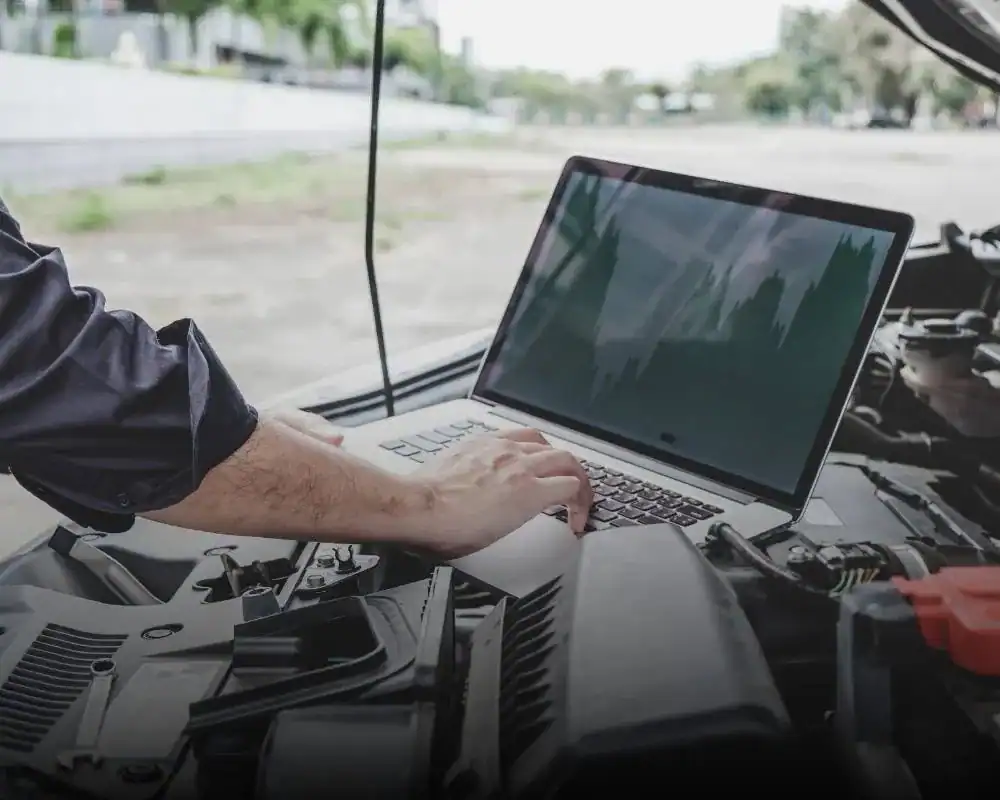
If your transmission is making noise, delaying shifts, or shifting roughly, have it diagnosed by a certified technician. We use modern diagnostic tools to pinpoint the exact issue, so you’re not guessing or paying for unnecessary repairs.
What to Do When You Notice Transmission Problems
Transmission problems don’t improve on their own. Slipping gets worse. Leaks grow. Overheating causes permanent damage. The sooner you address the warning signs, the better your chances of avoiding a costly rebuild or replacement.
Often, expensive repairs can be avoided with regular vehicle maintenance—or with a quick inspection when something unusual is noticed. For example, a solenoid block or sensor can be replaced today for a fraction of a total transmission rebuild a few weeks or months down the road. That’s the difference early detection makes.
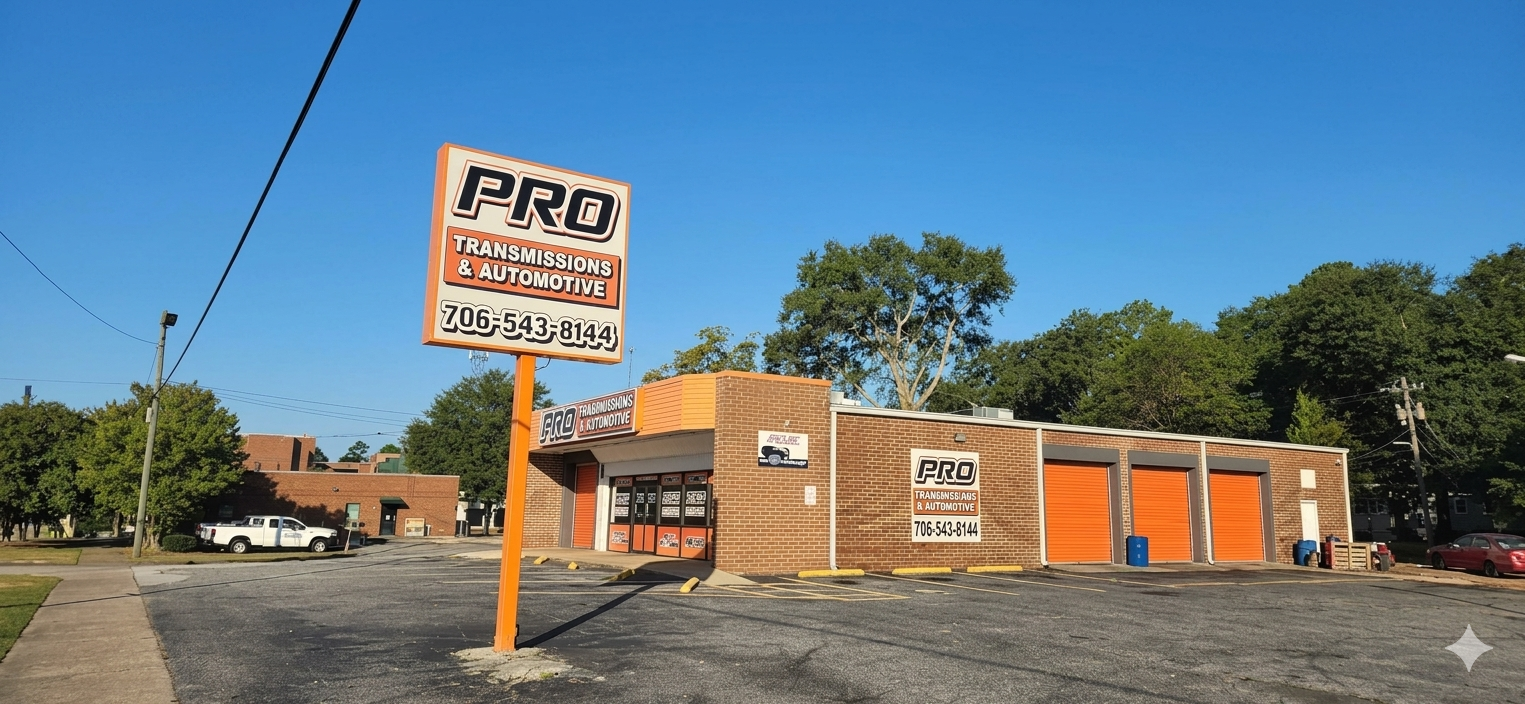
If you’re in Clarke County and you’ve noticed any of the symptoms we’ve covered—slipping, leaks, burning smells, strange noises, or delayed shifts—don’t wait. Have your vehicle inspected by a transmission specialist who can diagnose the real problem and give you an honest assessment of what it will take to fix it. At Pro Transmissions & Automotive of Athens, we offer digital diagnostics with photographic evidence, transparent pricing, and master-certified technicians who specialize in transmission repair and rebuilds.