Auto Repair Cost: What Athens Drivers Pay in 2026

Auto repair costs in Athens have climbed significantly since 2020. This guide breaks down what you'll pay for common repairs and how to budget for the unexpected.

Share:

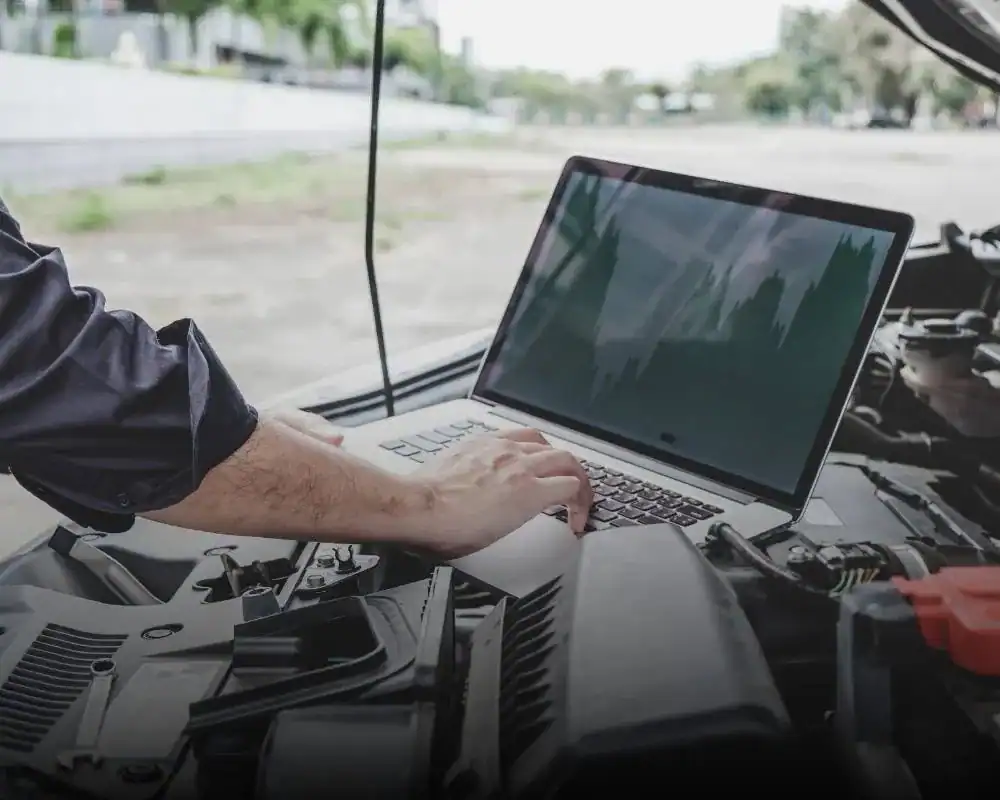
In a brightly lit garage, a male mechanic wearing a dark uniform and matching cap leans over the open hood of a car

You know that sinking feeling when the check engine light comes on or your brakes start grinding. The real worry isn’t just what’s wrong—it’s what it’s going to cost and whether you can trust the quote you get.

Auto repair costs have climbed hard over the past few years. Parts are more expensive. Labor rates are higher. And with modern vehicles packed with computers and sensors, even simple fixes aren’t simple anymore.

This guide breaks down what you’re actually paying for when you take your car to a shop in Athens. You’ll see real numbers for common repairs, understand what affects pricing in Clarke County, and learn how to spot fair estimates from inflated ones.

Car Repair Pricing: What to Expect in Athens

Let’s start with the basics. The average driver in the U.S. spends around $900 a year on car maintenance and repairs. That’s routine stuff like oil changes and tire rotations plus the occasional unexpected fix.

But here in Athens, what you actually pay depends on where you go, what you drive, and what needs fixing. A brake job at one shop might run $350. At another, $650 for the same work. The difference isn’t always about quality—it’s about how shops price labor, parts, and overhead.

Most repair bills break down into three pieces: parts, labor, and shop fees. Labor rates in Georgia typically range from $75 to $130 per hour. Athens falls somewhere in the middle of that range, depending on whether you’re at an independent shop or a dealership.

Automotive Service Costs by Repair Type

Not all repairs cost the same. A basic service like an oil change or air filter replacement might run you $50 to $200. Bigger jobs—transmission work, engine diagnostics, brake overhauls—can easily hit four figures.

Brake repairs are one of the most common jobs. Front brake pads alone average between $230 and $400 at an independent shop in Athens. If you need rotors replaced too, that jumps to $330 to $615 per axle. A full four-wheel brake job can run anywhere from $700 to $1,400, depending on your vehicle and the parts used.

Transmission repairs are a different beast. Minor fixes like a fluid change or solenoid replacement might cost $150 to $800. But if you need a rebuild or replacement, you’re looking at $1,800 to $7,100. The range is wide because it depends on whether your transmission can be rebuilt or needs to be fully replaced, plus the make and model of your vehicle.

Engine diagnostics usually cost between $65 and $150 here in Clarke County. That’s just to figure out what’s wrong. Some shops waive the diagnostic fee if you move forward with the repair, but not all do. It’s worth asking upfront.

Basic maintenance—oil changes, tire rotations, inspections—runs between $95 and $237 per visit. Major services like timing belt replacements, coolant flushes, or suspension work can range from $296 to $474 or more.

The key is knowing what’s normal for your area. Athens pricing tends to be more affordable than metro Atlanta, but dealerships here still charge 30% to 40% more than independent shops for the same work.

Repair Shop Rates: Understanding Labor Costs

Labor is usually the biggest chunk of your repair bill. Even if the part only costs $100, you might pay $300 more just for the time it takes to install it.

In Athens and Clarke County, labor rates at independent shops typically run between $75 and $130 per hour. Dealerships charge more—often $120 to $180 per hour—because they have higher overhead and use OEM parts. That doesn’t always mean better service. Just higher costs.

Some repairs take longer than you’d think. Replacing brake pads might only take an hour. But a transmission rebuild? That’s 8 to 12 hours of labor, sometimes more. At $100 an hour, you’re looking at $800 to $1,200 in labor alone before parts.

Labor costs have gone up for a few reasons. There’s a shortage of skilled technicians across the country, so shops are paying more to keep qualified people on staff. Modern vehicles are also more complex. What used to be a straightforward fix now requires specialized tools, software updates, and diagnostic equipment that costs thousands of dollars.

Shops don’t just charge for the wrench time either. We factor in the cost of training, certifications, insurance, and equipment. A shop that invests in ASE-certified technicians and up-to-date diagnostic tools is going to charge more than one that doesn’t—but you’re also more likely to get the problem fixed right the first time.

When you’re comparing quotes, don’t just look at the total. Ask how many hours of labor they’re charging and what their hourly rate is. If one shop quotes 3 hours and another quotes 6 for the same job, that’s a red flag worth asking about.

Transmission Repair Cost Breakdown

Transmission problems are some of the most expensive repairs you’ll face. They’re also some of the most misunderstood when it comes to pricing.

A simple transmission fluid change runs about $125 to $200. That’s routine maintenance you should be doing every 30,000 to 50,000 miles depending on your vehicle. It’s cheap insurance against bigger problems down the road.

But if you’re dealing with slipping gears, grinding noises, or complete transmission failure, you’re looking at a much bigger bill. Minor repairs like replacing a solenoid or fixing a leak can cost $300 to $800. These are the fixes you hope for when something goes wrong.

Transmission rebuilds are where costs jump. A rebuild involves removing the transmission, disassembling it, replacing worn parts, and putting it back together. That runs $1,800 to $3,500 for most vehicles. The wide range depends on the extent of the damage, the type of transmission (manual or automatic), and whether you’re driving a standard sedan or a heavy-duty truck.

Full transmission replacement is the most expensive option, ranging from $2,900 to $7,100. Some luxury vehicles or performance cars can exceed $8,000. Replacement makes sense when the transmission is too far gone to rebuild or when a remanufactured unit comes with a better warranty than a rebuild would.

Factors Affecting Transmission Repair Costs in Athens

Several things determine what you’ll pay for transmission work in Athens. The first is the type of vehicle you drive. A Honda Civic transmission rebuild costs less than one for a BMW or a Ford F-250. Parts for domestic and Japanese vehicles are generally cheaper and easier to find than European or luxury brands.

The type of transmission matters too. Manual transmissions are simpler and usually cost less to repair—typically $1,500 to $4,000 for a replacement. Automatic transmissions are more complex, with twice as many parts, which drives up both labor time and parts costs.

Labor is a huge factor. Transmission work is specialized. Not every shop has technicians trained to handle it properly. That’s why shops with master-certified techs charge more—we’re less likely to misdiagnose the problem or make costly mistakes during the rebuild.

Your vehicle’s age and mileage also play a role. Older vehicles with high mileage might need more parts replaced during a rebuild. Newer vehicles might have electronic components or computer systems that require recalibration after the repair, adding to the bill.

Location affects pricing too. Athens is more affordable than Atlanta, but you’ll still see variation between shops. Some shops mark up parts by 30% to 50%. Others keep markups lower and make their margin on labor. It’s worth getting quotes from two or three places before committing.

One thing to watch for: shops that push for a full replacement when a rebuild would work. A good technician will explain the difference, show you what’s damaged, and give you options. If they’re not willing to do that, keep looking.

How to Budget for Unexpected Automotive Expenses

Nobody plans for their transmission to fail or their brakes to go out. But if you’re driving a vehicle with more than 75,000 miles, the odds of a major repair go up every year.

The smartest move is to set aside money every month. If you’re averaging $900 a year in maintenance and repairs, that’s $75 a month. Tuck that into a separate account so it’s there when you need it. Even $50 a month adds up to $600 a year, which covers most unexpected repairs short of a transmission or engine replacement.

If you’re hit with a big bill you can’t cover, ask about payment plans. Many shops offer financing, though the interest rates can be steep. Some will let you pay in installments if you’ve been a repeat customer. It’s worth asking.

Another option is to prioritize repairs. Not everything has to be fixed immediately. If your mechanic says you need new brake pads and a coolant flush, the brakes are urgent. The flush can wait a few weeks. A good shop will tell you what’s critical and what can be scheduled for later.

Extended warranties and vehicle service contracts can help, but read the fine print. Some cover transmission and engine work but exclude wear-and-tear items like brakes and tires. Others have high deductibles that eat into the benefit. They make the most sense if you’re driving an older vehicle or one with a history of expensive repairs.

One last thing: don’t skip routine maintenance to save money. A $50 oil change now can prevent a $3,000 engine repair later. Regular fluid changes, tire rotations, and inspections catch problems early when they’re still cheap to fix.

Making Smart Decisions About Auto Repair Costs

Auto repair costs aren’t going down anytime soon. Parts are more expensive. Labor rates are climbing. And vehicles are more complex than ever.

But you don’t have to get taken advantage of. Know what fair pricing looks like in Athens. Ask for itemized estimates. Get a second opinion if something feels off. And work with a shop that explains what’s wrong, shows you the problem, and gives you options before they start the work.

The shops worth trusting are the ones that don’t pressure you, don’t hide fees, and stand behind their work with real warranties. If you’re looking for that kind of service in Clarke County, we’ve been doing it right for years—master-certified techs, transparent pricing, and warranties that actually mean something.

You know that sinking feeling when the check engine light comes on or your brakes start grinding. The real worry isn’t just what’s wrong—it’s what it’s going to cost and whether you can trust the quote you get.

Auto repair costs have climbed hard over the past few years. Parts are more expensive. Labor rates are higher. And with modern vehicles packed with computers and sensors, even simple fixes aren’t simple anymore.

This guide breaks down what you’re actually paying for when you take your car to a shop in Athens. You’ll see real numbers for common repairs, understand what affects pricing in Clarke County, and learn how to spot fair estimates from inflated ones.

Car Repair Pricing: What to Expect in Athens

Let’s start with the basics. The average driver in the U.S. spends around $900 a year on car maintenance and repairs. That’s routine stuff like oil changes and tire rotations plus the occasional unexpected fix.

But here in Athens, what you actually pay depends on where you go, what you drive, and what needs fixing. A brake job at one shop might run $350. At another, $650 for the same work. The difference isn’t always about quality—it’s about how shops price labor, parts, and overhead.

Most repair bills break down into three pieces: parts, labor, and shop fees. Labor rates in Georgia typically range from $75 to $130 per hour. Athens falls somewhere in the middle of that range, depending on whether you’re at an independent shop or a dealership.

Automotive Service Costs by Repair Type

Not all repairs cost the same. A basic service like an oil change or air filter replacement might run you $50 to $200. Bigger jobs—transmission work, engine diagnostics, brake overhauls—can easily hit four figures.

Brake repairs are one of the most common jobs. Front brake pads alone average between $230 and $400 at an independent shop in Athens. If you need rotors replaced too, that jumps to $330 to $615 per axle. A full four-wheel brake job can run anywhere from $700 to $1,400, depending on your vehicle and the parts used.

Transmission repairs are a different beast. Minor fixes like a fluid change or solenoid replacement might cost $150 to $800. But if you need a rebuild or replacement, you’re looking at $1,800 to $7,100. The range is wide because it depends on whether your transmission can be rebuilt or needs to be fully replaced, plus the make and model of your vehicle.

Engine diagnostics usually cost between $65 and $150 here in Clarke County. That’s just to figure out what’s wrong. Some shops waive the diagnostic fee if you move forward with the repair, but not all do. It’s worth asking upfront.

Basic maintenance—oil changes, tire rotations, inspections—runs between $95 and $237 per visit. Major services like timing belt replacements, coolant flushes, or suspension work can range from $296 to $474 or more.

The key is knowing what’s normal for your area. Athens pricing tends to be more affordable than metro Atlanta, but dealerships here still charge 30% to 40% more than independent shops for the same work.

Repair Shop Rates: Understanding Labor Costs

Labor is usually the biggest chunk of your repair bill. Even if the part only costs $100, you might pay $300 more just for the time it takes to install it.

In Athens and Clarke County, labor rates at independent shops typically run between $75 and $130 per hour. Dealerships charge more—often $120 to $180 per hour—because they have higher overhead and use OEM parts. That doesn’t always mean better service. Just higher costs.

Some repairs take longer than you’d think. Replacing brake pads might only take an hour. But a transmission rebuild? That’s 8 to 12 hours of labor, sometimes more. At $100 an hour, you’re looking at $800 to $1,200 in labor alone before parts.

Labor costs have gone up for a few reasons. There’s a shortage of skilled technicians across the country, so shops are paying more to keep qualified people on staff. Modern vehicles are also more complex. What used to be a straightforward fix now requires specialized tools, software updates, and diagnostic equipment that costs thousands of dollars.

Shops don’t just charge for the wrench time either. We factor in the cost of training, certifications, insurance, and equipment. A shop that invests in ASE-certified technicians and up-to-date diagnostic tools is going to charge more than one that doesn’t—but you’re also more likely to get the problem fixed right the first time.

When you’re comparing quotes, don’t just look at the total. Ask how many hours of labor they’re charging and what their hourly rate is. If one shop quotes 3 hours and another quotes 6 for the same job, that’s a red flag worth asking about.

Transmission Repair Cost Breakdown

Transmission problems are some of the most expensive repairs you’ll face. They’re also some of the most misunderstood when it comes to pricing.

A simple transmission fluid change runs about $125 to $200. That’s routine maintenance you should be doing every 30,000 to 50,000 miles depending on your vehicle. It’s cheap insurance against bigger problems down the road.

But if you’re dealing with slipping gears, grinding noises, or complete transmission failure, you’re looking at a much bigger bill. Minor repairs like replacing a solenoid or fixing a leak can cost $300 to $800. These are the fixes you hope for when something goes wrong.

Transmission rebuilds are where costs jump. A rebuild involves removing the transmission, disassembling it, replacing worn parts, and putting it back together. That runs $1,800 to $3,500 for most vehicles. The wide range depends on the extent of the damage, the type of transmission (manual or automatic), and whether you’re driving a standard sedan or a heavy-duty truck.

Full transmission replacement is the most expensive option, ranging from $2,900 to $7,100. Some luxury vehicles or performance cars can exceed $8,000. Replacement makes sense when the transmission is too far gone to rebuild or when a remanufactured unit comes with a better warranty than a rebuild would.

Factors Affecting Transmission Repair Costs in Athens

Several things determine what you’ll pay for transmission work in Athens. The first is the type of vehicle you drive. A Honda Civic transmission rebuild costs less than one for a BMW or a Ford F-250. Parts for domestic and Japanese vehicles are generally cheaper and easier to find than European or luxury brands.

The type of transmission matters too. Manual transmissions are simpler and usually cost less to repair—typically $1,500 to $4,000 for a replacement. Automatic transmissions are more complex, with twice as many parts, which drives up both labor time and parts costs.

Labor is a huge factor. Transmission work is specialized. Not every shop has technicians trained to handle it properly. That’s why shops with master-certified techs charge more—we’re less likely to misdiagnose the problem or make costly mistakes during the rebuild.

Your vehicle’s age and mileage also play a role. Older vehicles with high mileage might need more parts replaced during a rebuild. Newer vehicles might have electronic components or computer systems that require recalibration after the repair, adding to the bill.

Location affects pricing too. Athens is more affordable than Atlanta, but you’ll still see variation between shops. Some shops mark up parts by 30% to 50%. Others keep markups lower and make their margin on labor. It’s worth getting quotes from two or three places before committing.

One thing to watch for: shops that push for a full replacement when a rebuild would work. A good technician will explain the difference, show you what’s damaged, and give you options. If they’re not willing to do that, keep looking.

How to Budget for Unexpected Automotive Expenses

Nobody plans for their transmission to fail or their brakes to go out. But if you’re driving a vehicle with more than 75,000 miles, the odds of a major repair go up every year.

The smartest move is to set aside money every month. If you’re averaging $900 a year in maintenance and repairs, that’s $75 a month. Tuck that into a separate account so it’s there when you need it. Even $50 a month adds up to $600 a year, which covers most unexpected repairs short of a transmission or engine replacement.

If you’re hit with a big bill you can’t cover, ask about payment plans. Many shops offer financing, though the interest rates can be steep. Some will let you pay in installments if you’ve been a repeat customer. It’s worth asking.

Another option is to prioritize repairs. Not everything has to be fixed immediately. If your mechanic says you need new brake pads and a coolant flush, the brakes are urgent. The flush can wait a few weeks. A good shop will tell you what’s critical and what can be scheduled for later.

Extended warranties and vehicle service contracts can help, but read the fine print. Some cover transmission and engine work but exclude wear-and-tear items like brakes and tires. Others have high deductibles that eat into the benefit. They make the most sense if you’re driving an older vehicle or one with a history of expensive repairs.

One last thing: don’t skip routine maintenance to save money. A $50 oil change now can prevent a $3,000 engine repair later. Regular fluid changes, tire rotations, and inspections catch problems early when they’re still cheap to fix.

Making Smart Decisions About Auto Repair Costs

Auto repair costs aren’t going down anytime soon. Parts are more expensive. Labor rates are climbing. And vehicles are more complex than ever.

But you don’t have to get taken advantage of. Know what fair pricing looks like in Athens. Ask for itemized estimates. Get a second opinion if something feels off. And work with a shop that explains what’s wrong, shows you the problem, and gives you options before they start the work.

The shops worth trusting are the ones that don’t pressure you, don’t hide fees, and stand behind their work with real warranties. If you’re looking for that kind of service in Clarke County, we’ve been doing it right for years—master-certified techs, transparent pricing, and warranties that actually mean something.

Article details:

Share: