
You bought a Volkswagen or Audi because you wanted something better. Better engineering, better performance, better driving experience. But when that transmission starts acting up – hesitating between gears, jerking during acceleration, or throwing warning lights – you quickly realize that “better” also means “more complicated.”
Most shops in Athens can handle a Ford or Toyota transmission. But German engineering? That’s a different conversation. DSG dual-clutch systems, Tiptronic automatics, and the sophisticated electronics controlling them require specialized training, manufacturer-specific diagnostic tools, and experience with the unique problems these transmissions develop.
You’re about to learn what actually goes wrong with VW and Audi transmissions, why generic shops often get it wrong, and how to find service that matches the precision your vehicle was built with.
Volkswagen Transmission Specialist: What Makes European Systems Different
Your Volkswagen doesn’t have a “regular” transmission. Whether you’re driving a Golf, Jetta, Passat, or Tiguan, there’s a good chance you have either a DSG dual-clutch system or a Tiptronic automatic. Both are engineered completely differently than the transmissions most mechanics learned on.
The DSG uses two separate clutches and essentially two gearboxes working in tandem. One clutch handles odd gears while the other manages even gears, pre-selecting the next gear before you even need it. This creates lightning-fast shifts and better fuel economy, but it also creates specific failure points that require specialized knowledge.
Tiptronic systems combine automatic convenience with manual control, but they rely heavily on electronic control modules and hydraulic systems that need precise diagnostic equipment to troubleshoot. When something goes wrong, a generic code reader won’t tell you whether it’s a mechanical problem, a software issue, or a failing sensor. That’s where specialized training separates a true Volkswagen transmission specialist from someone just guessing at solutions.
Audi Transmission Specialist Knowledge: S-tronic and Quattro Complexity
Audi takes European transmission engineering even further. The S-tronic dual-clutch system found in models like the A3, A4, and Q5 operates on similar principles to VW’s DSG but with Audi-specific calibrations, software, and components. Add Quattro all-wheel drive into the mix, and you’re dealing with a transmission that communicates with multiple control modules simultaneously.
Here’s what most people don’t realize until it’s too late: Audi transmissions can throw codes that point to transmission failure when the actual problem is a wheel speed sensor, a faulty brake switch, or even a software glitch. A shop without Audi-specific diagnostic capability will see “transmission fault” and immediately recommend a rebuild. That’s a $4,000 mistake when all you needed was a $200 sensor replacement.
The mechatronic unit – essentially the brain of your Audi’s transmission – is particularly prone to issues in 2008-2014 models. This unit controls clutch engagement, gear selection, and hydraulic pressure. When it fails, you’ll experience rough shifting, delayed engagement, or the transmission going into limp mode. Replacing a mechatronic unit requires specialized tools, specific fluid, and software adaptation that generic shops simply can’t perform.
Audi’s dual-clutch systems also require very specific transmission fluid. Using the wrong fluid or extending service intervals beyond Audi’s recommendations accelerates wear on clutch packs and can damage the mechatronic unit. The factory service schedule might say 40,000 miles, but many specialists recommend 30,000-mile intervals for DSG and S-tronic systems, especially if you drive in stop-and-go traffic or hot climates.
Understanding torque converter issues in Audi’s traditional automatics is equally important. You might notice hesitation when shifting to reverse, grinding sounds during gear changes, or jerky clutch shifts. These are early warnings that worn needle bearings or faulty seals need attention before they cause complete clutch failure.
Common DSG and Dual-Clutch Problems VW and Audi Owners Face
DSG transmissions have earned a reputation – some of it deserved, some of it exaggerated. The truth is that certain DSG variants, particularly the DQ200 7-speed dry-clutch system used in smaller VW models from 2008-2012, had real problems. Early versions shipped with the wrong transmission fluid that became electrically conductive when heated, shorting out the mechatronic board and corroding internal contacts.
Volkswagen eventually recalled affected vehicles and switched to mineral-based fluid, but many DQ200 transmissions still develop issues. The dry-clutch design is more sensitive to stop-and-go driving, and clutch packs wear faster than wet-clutch variants. If you’re experiencing juddering during acceleration, hesitant gear changes, or the PRNDS display flashing on your dashboard, you’re likely dealing with clutch wear or mechatronic pressure problems.
Wet-clutch DSG systems like the DQ250 6-speed and DQ381 7-speed are generally more reliable, but they’re not bulletproof. Overheating is a common issue, especially in performance models or vehicles used for towing. When transmission fluid gets too hot, it breaks down and loses its ability to lubricate and cool internal components. This leads to clutch slippage, rough shifts, and eventually complete failure.
Selector fork failures are another DQ200-specific problem. The selector fork can fail, making it difficult or impossible to engage reverse or sixth gear. Volkswagen released an upgraded part, but replacement still requires transmission disassembly and costs around $1,000 in parts and labor.
Fluid contamination is more serious than most people think. DSG systems are incredibly sensitive to fluid quality and level. Even slightly low fluid can cause pressure problems that prevent proper clutch engagement. Contaminated fluid from worn clutch material or metal shavings accelerates wear throughout the entire system. Regular fluid changes using the correct VW-spec fluid are the single most important maintenance item for DSG longevity.
Software updates matter too. Volkswagen and Audi regularly release transmission control module updates that improve shift quality, address known bugs, and optimize performance. A shop with access to manufacturer software can often resolve shifting problems with a simple update rather than expensive mechanical repairs.
Gearbox Repair Specialist: Diagnosis Before Dollars
The most expensive transmission repair is the one you didn’t need. Walk into the wrong shop with a shuddering VW, and you’ll walk out with a quote for a $3,500 rebuild. Walk into the right shop, and you might walk out with a $400 mechatronic valve body cleaning or a $150 software update that solves the same problem.
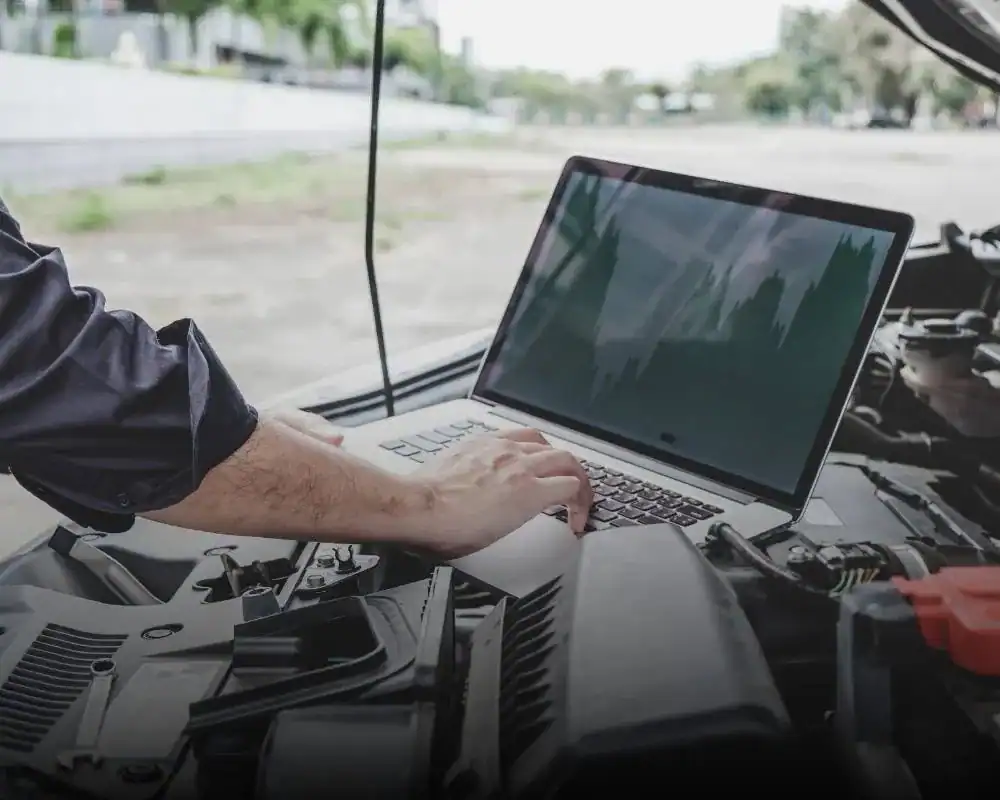
Accurate diagnosis separates a gearbox repair specialist from someone just replacing parts and hoping for the best. European transmissions require manufacturer-level diagnostic equipment that can communicate with the transmission control module, read freeze-frame data, monitor real-time sensor values, and perform adaptation procedures after repairs.
Generic code readers will tell you there’s a transmission fault. Proper VW/Audi diagnostic software will tell you which clutch is slipping, whether the mechatronic unit is maintaining proper hydraulic pressure, if a specific solenoid is sticking, and whether the problem is mechanical or electronic. That level of detail is the difference between a $200 fix and a $4,000 mistake.
What Proper European Transmission Diagnosis Actually Looks Like
Real diagnosis starts with understanding what you’re experiencing. When did the problem start? Does it happen when the transmission is cold or hot? Are you noticing delays when shifting into drive or reverse? Is the issue consistent or intermittent? These details matter because European transmissions behave differently under different conditions.
The next step is scanning for fault codes using manufacturer-specific software. VW and Audi store detailed fault information including when the code was set, under what conditions, and what sensor values were present at the time. This freeze-frame data often points directly to the root cause. A P17BF code, for example, indicates a clutch pressure adaptation issue – that could be low fluid, a failing mechatronic unit, or worn clutch packs.
Road testing with live data monitoring is critical. A technician needs to see what the transmission is actually doing while driving – clutch slip values, shift timing, hydraulic pressures, and temperature. A transmission that shifts fine on a cold morning but shudders after 20 minutes of driving has a very different problem than one that jerks from the first shift.
Physical inspection comes next. Checking fluid level and condition tells you a lot. Transmission fluid should be bright red or pink. If it’s dark brown or black, it’s burnt. If it smells like burning, clutches are damaged. Metal shavings in the fluid mean internal components are disintegrating. These are visual clues that guide the diagnosis.
Pressure testing the hydraulic system identifies valve body problems, clogged filters, or failing pumps. DSG systems rely on precise hydraulic pressure to engage clutches. If pressure is low or erratic, shifts will be harsh or delayed regardless of clutch condition.
Only after all of this diagnostic work should anyone recommend a repair. And here’s the key: a good specialist will explain exactly what’s wrong, why it’s wrong, and give you options. Maybe you need a full rebuild. Maybe you just need new fluid and a software update. Maybe the transmission is fine and the problem is a $150 brake switch sensor. You deserve to know before spending thousands.
Why Transparent Pricing Matters for European Transmission Work
European transmission repairs are expensive. There’s no getting around that. Parts cost more, labor takes longer, and the specialized knowledge required commands a premium. But expensive doesn’t mean unpredictable, and it definitely doesn’t mean you should be surprised by the final bill.
Transparent pricing starts with a clear diagnostic fee. You pay for the technician’s time and expertise to properly identify the problem. That fee should be explained upfront, and the diagnostic work should be thorough enough that the repair estimate is accurate. No one should be guessing at transmission repairs.
The estimate itself should break down parts and labor separately. You should see exactly what components are being replaced, what fluids are being used, and how many hours of labor the job requires. For a DSG clutch pack replacement, for example, you should see the cost of the clutch pack, the mechatronic unit service (if needed), transmission fluid, gaskets, and the labor hours for removal, disassembly, repair, reassembly, and reinstallation.
Approval before work begins isn’t just good practice – it’s your right. Once diagnosis is complete, you should receive a detailed estimate and the opportunity to ask questions. What exactly is failing? Why is it failing? What happens if I don’t fix it right now? Are there different repair options at different price points? A shop confident in their diagnosis will answer every question without pressure.
Warranty coverage should be clearly stated in writing. What’s covered, for how long, and under what conditions? A 24-month/24,000-mile warranty on a transmission rebuild is industry-leading, but make sure you understand what it includes. Does it cover parts and labor? Is it honored if you move out of state? What voids the warranty?
The reality is that European transmission work costs what it costs. A DSG rebuild might run $2,800 to $4,500 depending on your model. A mechatronic unit replacement could be $1,200 to $2,500. These aren’t small numbers, but they’re predictable when you work with a specialist who diagnoses properly and prices honestly. The shops that lowball estimates and then hit you with “additional problems we found” halfway through the job? Those are the ones costing you more in the long run.
Your Volkswagen or Audi is a significant investment. The transmission is one of its most critical and expensive components. You deserve service from technicians who understand what they’re working on, diagnostic equipment that provides accurate answers, and pricing that’s transparent from the first conversation.
Finding the Right European Transmission Specialist in Clarke County
European vehicles demand European expertise. Your VW or Audi transmission isn’t something you hand over to the first shop with a “we fix transmissions” sign. It requires master-certified technicians who’ve trained specifically on German engineering, diagnostic tools calibrated for VW and Audi systems, and a track record of getting these complex repairs right the first time.
The difference between a $400 repair and a $4,000 rebuild often comes down to accurate diagnosis. The difference between a repair that lasts two years and one that lasts ten years comes down to using the right parts, the right fluids, and the right procedures. And the difference between a frustrating experience and a transparent one comes down to working with a shop that explains what’s wrong, why it costs what it costs, and stands behind their work with a real warranty.
When your European transmission needs attention in Athens or anywhere in Clarke County, we bring master-certified expertise, transparent pricing, and a 24-month/24,000-mile warranty on transmission rebuilds. Real diagnosis. Real answers. Real solutions for your VW or Audi.