Expert engine repair services in Clarke County, GA with master-certified technicians, transparent pricing, and industry-leading warranties.
Share:
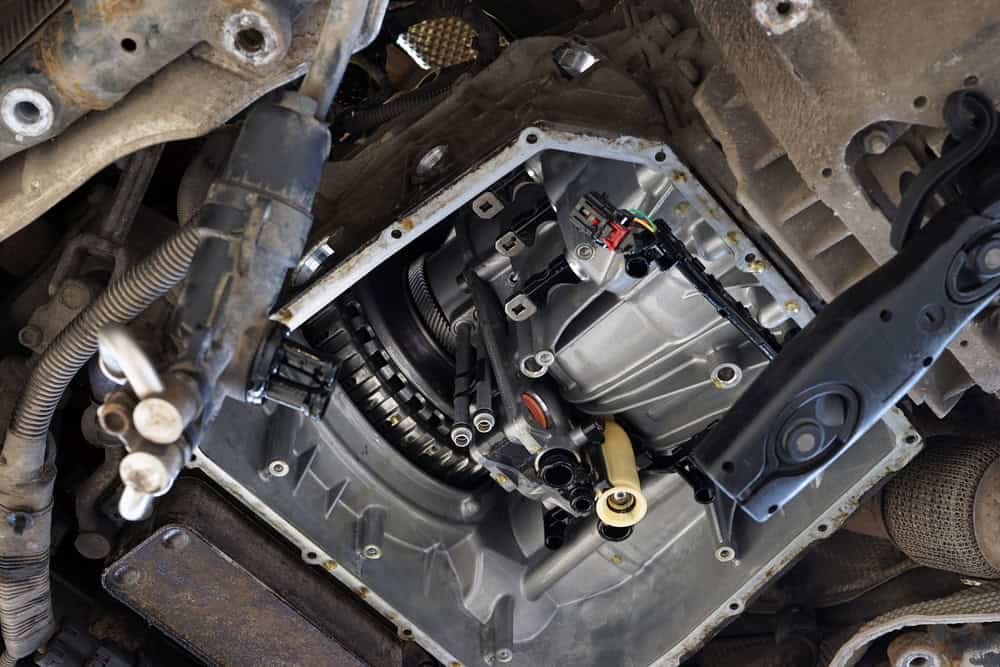
Living in Clarke County means dealing with specific driving conditions that can stress your engine. Stop-and-go traffic around UGA campus, hot Georgia summers, and those daily commutes to Atlanta all take their toll on your vehicle’s most important component.
Your engine works harder here than you might think. Summer temperatures regularly hit the 90s, putting extra strain on cooling systems. Winter cold snaps can cause oil to thicken, making startup more difficult. Add in the hills around Athens and frequent short trips that don’t let your engine fully warm up, and you’ve got conditions that can accelerate engine wear.
The most common engine problems we see involve overheating, oil-related issues, and ignition system failures. Each of these can start small but quickly escalate into major repairs if not addressed promptly.
Your engine communicates with you constantly, but many drivers miss the early warning signs until it’s too late. That check engine light isn’t just a suggestion – it’s your car’s way of telling you something needs attention before it becomes a major problem.
Strange noises are often the first red flag. A knocking sound when you accelerate could indicate worn bearings or carbon buildup. Grinding noises might signal timing chain issues. Even subtle changes in how your engine sounds at idle can point to developing problems that are still fixable at reasonable cost.
Performance changes are equally important indicators. If your car struggles to accelerate, especially when merging onto the Loop or climbing hills around Athens, your engine might be losing compression or having fuel delivery issues. Rough idling at traffic lights, stalling when you come to stops, or difficulty starting – especially on cold mornings – all suggest your engine needs professional diagnosis.
Don’t ignore changes in fuel economy either. If you’re suddenly making more trips to the gas station without changing your driving habits, your engine might be working harder than it should. This could indicate anything from dirty fuel injectors to more serious internal wear that needs immediate attention.
Temperature warning lights or steam from under the hood are emergency situations. Pull over safely and turn off your engine immediately. Continuing to drive an overheating engine can turn a $200 thermostat replacement into a $4,000 engine rebuild.
Georgia’s climate creates unique challenges for engines that many drivers don’t consider. Summer temperatures that regularly exceed 90 degrees put tremendous stress on cooling systems, while humidity can accelerate corrosion in engine components.
Your engine generates enormous heat during normal operation – internal combustion temperatures can exceed 2,000 degrees. Your cooling system works overtime in Georgia summers to manage this heat, and when any component starts failing, the entire system can cascade into failure quickly.
Overheating doesn’t just mean a hot engine. It can warp cylinder heads, blow head gaskets, and damage pistons in minutes. What starts as a small coolant leak or failing thermostat can destroy an entire engine if you keep driving when the temperature gauge climbs into the red zone.
Air conditioning adds another layer of stress. Your AC compressor is driven by your engine, creating additional load during the hottest months when you need cooling most. This extra demand can reveal weaknesses in aging engines and accelerate wear on belts, hoses, and other components.
The stop-and-go traffic common around Athens and on I-85 toward Atlanta compounds these heat issues. Your engine generates maximum heat when working hard but gets minimal cooling airflow when stuck in traffic. This combination creates perfect conditions for overheating, especially in vehicles with marginal cooling systems.
Regular maintenance becomes even more critical in our climate. Coolant that’s even slightly past its service life loses effectiveness in extreme heat. Oil that’s overdue for changing breaks down faster in high temperatures, reducing its ability to lubricate and cool internal components.
Modern engines are sophisticated machines with complex computer systems, precision-manufactured components, and intricate timing mechanisms. While YouTube might make engine repair look straightforward, today’s vehicles require specialized diagnostic equipment and training that most DIY mechanics simply don’t have access to.
Professional diagnosis starts with computerized scanning tools that can read dozens of sensors throughout your engine. These tools don’t just tell you a code number – they provide real-time data about how your engine is actually performing. Without this information, you’re essentially guessing at what might be wrong.
The cost difference between professional repair and DIY attempts gone wrong can be staggering. A misdiagnosed engine problem that leads to continued driving can turn a $300 repair into a $3,000 engine replacement.
Real engine diagnosis goes far beyond plugging in a code reader and replacing whatever part the computer suggests. Professional technicians understand that diagnostic codes point to symptoms, not necessarily root causes. A “misfire” code could indicate anything from a simple spark plug to a serious internal engine problem.
Our diagnostic process starts with a comprehensive computer scan, but that’s just the beginning. We perform physical inspections of engine components, test fuel pressure and delivery, check compression across all cylinders, and evaluate the ignition system’s performance under load. This systematic approach ensures we identify the actual problem, not just treat symptoms.
Advanced diagnostic equipment makes the difference between guesswork and precision repair. Our oscilloscopes can analyze electrical patterns in real-time, revealing intermittent problems that might not show up during a basic scan. Pressure testing equipment can locate internal leaks that would be impossible to find otherwise.
Experience matters enormously in engine diagnosis. A technician who’s seen thousands of engine problems can often identify issues by sound, smell, or subtle performance changes that sophisticated equipment might miss. This combination of technology and experience ensures accurate diagnosis the first time.
We also understand the economic reality of engine repair. Sometimes the most technically correct repair isn’t the most practical solution for a customer’s situation. Our technicians can explain your options clearly, from minimal repairs to get you through a financial tough spot to comprehensive rebuilds that will give you years of reliable service.
Documentation is crucial for complex engine problems. We photograph issues, record test results, and provide detailed explanations of what we found and why we recommend specific repairs. This transparency helps you make informed decisions about your vehicle’s future.
Sometimes the honest answer is that your engine is beyond economical repair. This is never easy news to deliver or receive, but understanding when replacement makes more financial sense can save you from throwing good money after bad on an engine that’s fundamentally worn out.
Age and mileage are important factors, but they’re not the whole story. A well-maintained 200,000-mile engine might be a better candidate for repair than a neglected 100,000-mile engine that’s been run low on oil or overheated repeatedly. The key is understanding what’s actually wrong and how much it will cost to fix properly.
Internal engine wear becomes uneconomical to repair when multiple major components need replacement simultaneously. If your engine needs new pistons, rings, bearings, and machine work on the cylinders and crankshaft, you’re looking at costs that often exceed what a replacement engine would cost.
We help you understand your options clearly. A remanufactured engine might cost $3,000-5,000 installed, while attempting to rebuild your current engine could cost nearly as much with less reliable results. Sometimes the math is clear – replacement gives you better value and reliability.
Timing is another consideration. If your engine fails catastrophically – like throwing a rod through the block or suffering severe overheating damage – repair often isn’t even technically possible. In these cases, replacement or vehicle replacement become your only options.
We’re honest about these situations because our reputation depends on your satisfaction long-term. Recommending an expensive repair that won’t solve your problems doesn’t serve anyone’s interests. When replacement makes sense, we’ll explain why and help you understand your options for getting reliable transportation again.
Our experience with engine replacements means we can often complete the work faster and more reliably than attempting complex rebuilds. We work with reputable suppliers for remanufactured engines that come with warranties, giving you confidence in the investment.
Your engine is too important to trust to guesswork or cut-rate repairs. When engine problems develop, you need accurate diagnosis, honest recommendations, and skilled repair work that will keep you on the road safely and reliably.
Professional engine repair isn’t just about fixing what’s broken – it’s about understanding why problems developed and preventing them from recurring. Our master-certified technicians bring years of experience and state-of-the-art diagnostic equipment to every repair, ensuring you get the right solution the first time.
Don’t wait for engine problems to strand you on Highway 316 or leave you without transportation for work or school. At the first sign of engine trouble, contact us for professional diagnosis and transparent repair options that fit your needs and budget.
Article details:
Share:
Continue learning: