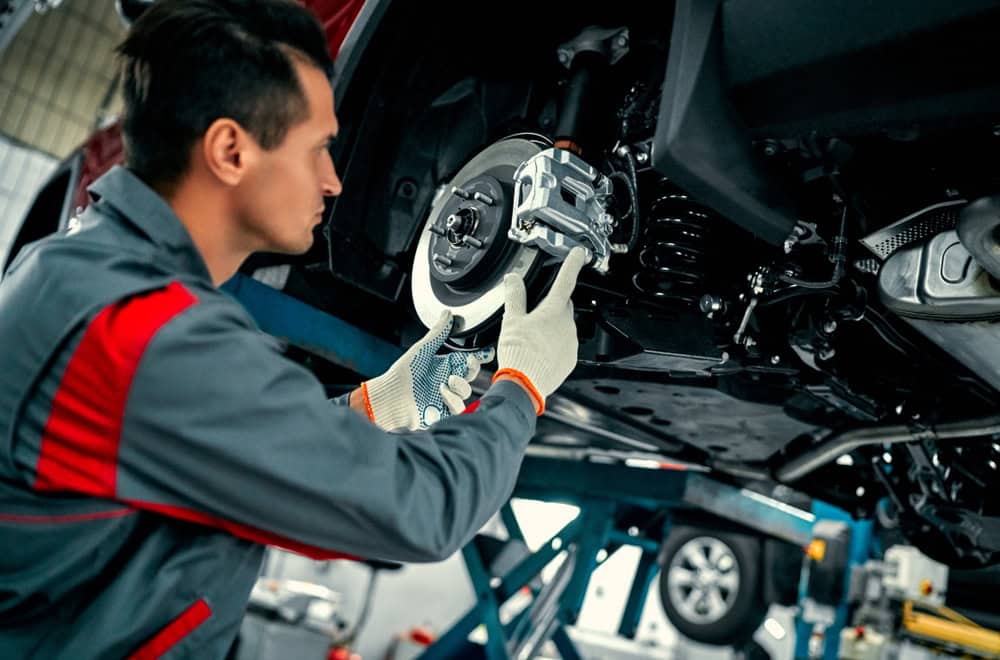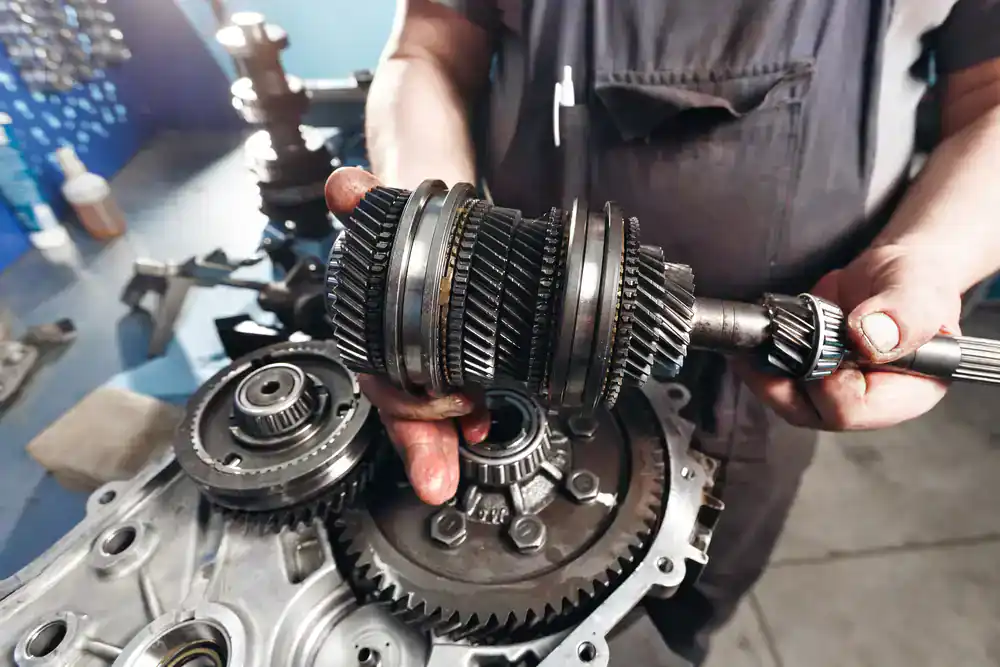
Master-certified brake technicians use visual inspection videos to show you exactly what's happening with your brakes before any repair work begins.
Share:
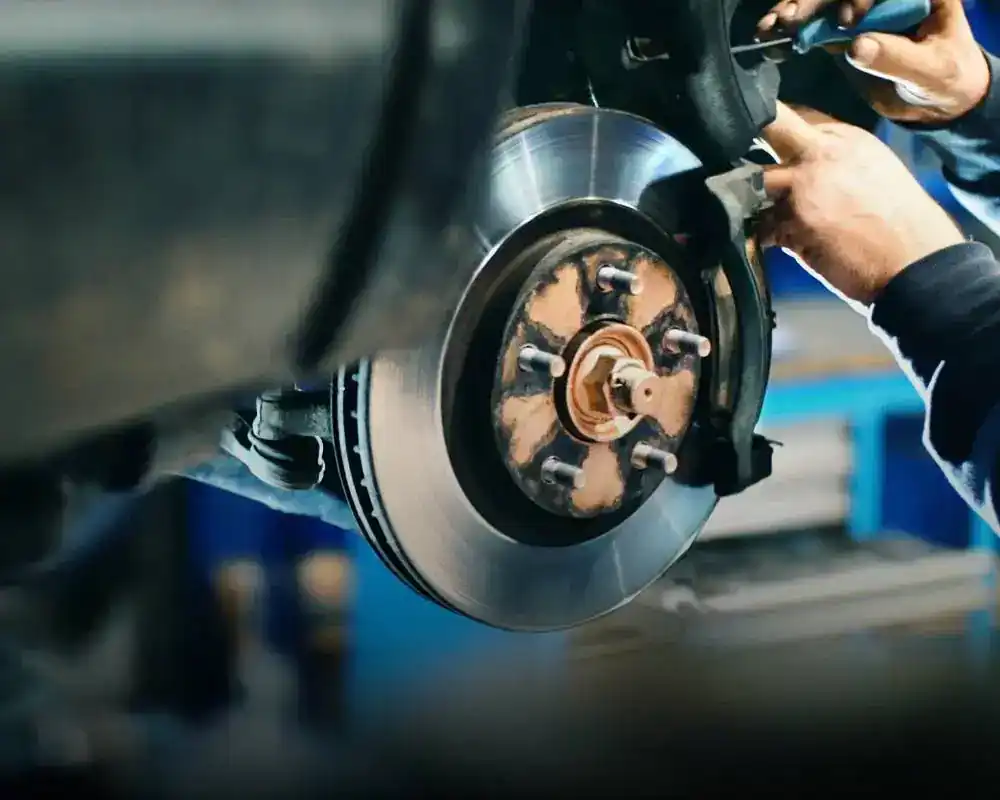
Not all brake technicians are created equal. Master certification through ASE (Automotive Service Excellence) requires passing rigorous exams across eight different automotive specialties, including brakes, engines, and electrical systems.
Only 63,618 technicians nationwide hold this master certification. These professionals must also maintain their credentials through retesting every five years, ensuring they stay current with evolving brake technologies and repair techniques.
When our master-certified technicians examine your brake system, we’re bringing years of specialized training to identify problems that less experienced mechanics might miss.
Your brake system is too important to trust to anyone without proper credentials. ASE brake certification requires two years of hands-on experience specifically in brake repair, plus passing a comprehensive 45-question exam covering hydraulic systems, disc brakes, drum brakes, and anti-lock brake systems.
This certification process ensures your technician understands the differences between disc and drum brake repairs. Disc brakes, found on most front wheels and increasingly on all four wheels, require different maintenance approaches than drum brakes typically used on rear wheels of budget-friendly vehicles.
Disc brakes offer superior stopping power and heat dissipation, making them easier to inspect and service. However, they require more frequent pad replacements compared to drum brakes. Drum brakes last longer due to their enclosed design but are more complex to service when maintenance is needed.
Certified technicians know these differences matter. We understand that disc brake pads wear faster but are simpler to replace, while drum brake shoes last longer but require manual adjustment to maintain peak performance. This knowledge directly impacts the accuracy of your brake inspection and the quality of repairs.
Traditional brake inspections rely on you trusting what the technician tells you. Visual inspection videos flip this dynamic entirely. Instead of wondering whether you really need new brake pads or rotors, you see the evidence yourself.
Our technicians capture high-resolution photos and videos of your brake components during inspection. You’ll see the actual thickness of your brake pads, any scoring or warping on your rotors, and the condition of your brake fluid. This visual evidence helps you understand exactly why specific repairs are necessary.
Studies show that customers are 70% more likely to approve necessary brake work when they can see the problem themselves. This isn’t about selling you unnecessary services—it’s about building confidence in essential safety repairs.
The visual documentation also protects both you and our shop. Time-stamped photos create an accurate record of your vehicle’s condition, preventing disputes about what work was actually needed. You get transparency, and we get to focus on quality repairs rather than explaining why work was necessary.
Brake problems rarely happen overnight. Most issues develop gradually, giving you warning signs before complete failure. Visual inspections catch these problems early, when repairs are less expensive and your safety isn’t compromised.
The most common issues we document include worn brake pads (causing squealing or grinding), warped rotors (creating steering wheel vibration), and contaminated brake fluid (reducing stopping power). Each problem has distinct visual indicators that our cameras capture clearly.
Early detection saves money and prevents dangerous brake failure when you need stopping power most.
Understanding your brake type helps you make informed repair decisions. Most vehicles use disc brakes on front wheels and either disc or drum brakes on rear wheels. Each system has different maintenance needs and replacement intervals.
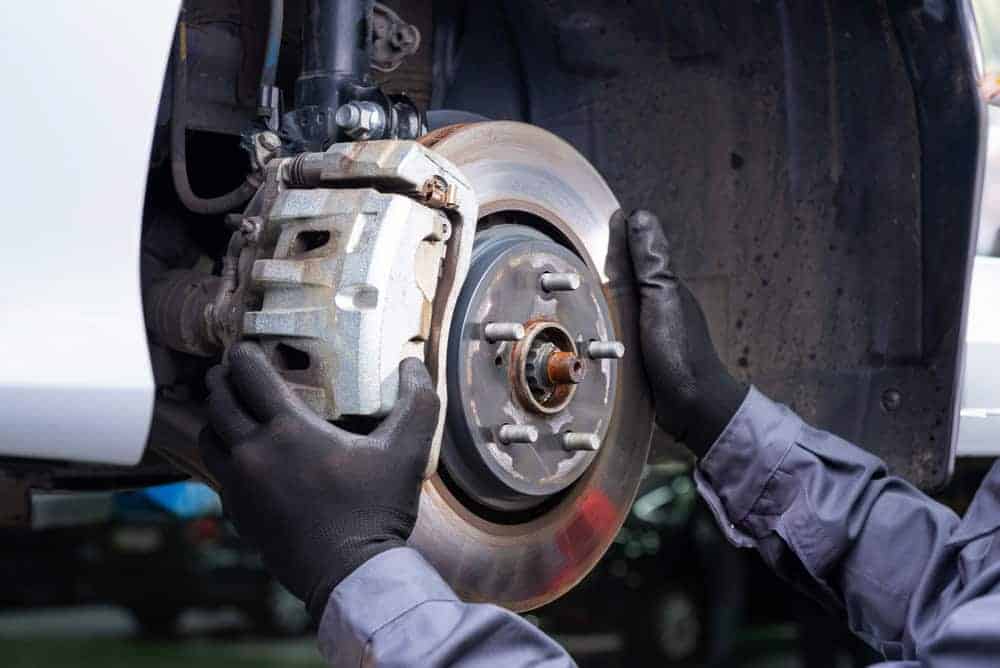
Disc brakes use calipers to squeeze brake pads against rotors, creating friction to stop your vehicle. They’re easier to inspect because components are visible through wheel spokes. Disc brake pads typically need replacement every 25,000-70,000 miles, depending on driving conditions and pad material.
Drum brakes use brake shoes that press outward against the inner surface of a rotating drum. They’re enclosed, making visual inspection more challenging without removing wheels. However, drum brakes often last longer—sometimes 150,000 miles or more—because they have larger friction surfaces and generate less heat during normal driving.
Our visual inspection process documents the condition of both brake types. For disc brakes, we measure pad thickness, check rotor surface condition, and inspect caliper operation. For drum brakes, we examine shoe wear, drum surface condition, and wheel cylinder function. You see exactly what needs attention and what can wait.
Your vehicle gives clear warning signs when brake problems develop. Squealing noises often indicate brake pad wear indicators touching rotors—a built-in warning system. Grinding sounds suggest pads have worn completely, potentially damaging rotors and requiring more expensive repairs.
Steering wheel vibration during braking typically points to warped rotors from excessive heat buildup. This happens when brake components overheat from heavy use, aggressive driving, or delayed maintenance. Spongy brake pedal feel suggests air in brake lines or low brake fluid levels, both serious safety concerns.
Don’t ignore these warning signs. Athens traffic and North Georgia mountain driving put extra stress on brake systems. Stop-and-go traffic generates heat that can accelerate brake wear, while mountain driving demands consistent braking power for safe descents.
Our master-certified technicians understand local driving conditions. We know how Georgia’s climate affects brake fluid, how summer heat impacts brake performance, and what brake problems are most common in our area. This local expertise, combined with visual inspection technology, ensures accurate diagnosis and appropriate repairs for your specific driving needs.
Your safety depends on reliable brakes, and reliable brakes start with accurate diagnosis. Visual inspection videos eliminate guesswork from brake repair, showing you exactly what needs attention and why.
Master certification ensures your technician has the knowledge and experience to identify problems correctly. Visual documentation provides the transparency you deserve when making important safety decisions about your vehicle.
When you need brake service you can trust, choose Pro Transmission for master-certified expertise and complete transparency in every repair.
Article details:
Share:
Continue learning: