
You’re driving through Athens, everything feels fine, and then it happens—that little engine-shaped light pops on. Your first thought might be panic, or maybe you’re wondering if you can ignore it for a while. The check engine light is one of the most misunderstood warnings on your dashboard, and it can mean anything from “tighten your gas cap” to “get this checked today.” What matters is knowing the difference. This guide walks you through what that light is actually telling you, how to figure out if it’s urgent, and what your next steps should be—whether you’re a UGA student rushing to class or just trying to keep your daily driver running smooth in Clarke County.
What Does It Mean When Check Engine Light Comes On
When your check engine light comes on, it means your vehicle’s onboard computer detected something outside its normal operating range. That’s it. The light itself doesn’t tell you what’s wrong—it just tells you that something triggered a diagnostic code.
Your car has been monitoring itself since 1996 through a system called OBD-II. Sensors throughout the engine, transmission, and emissions system send data to the computer. When one of those sensors reports a problem, the system stores a trouble code and flips the light on.
The tricky part is that the same light can mean a hundred different things. It could be a $10 gas cap or a $1,500 catalytic converter. That’s why the light alone doesn’t give you the full story—you need to dig a little deeper to know what you’re dealing with.
What Does the Engine Light Mean When It's Steady vs Flashing
Not all check engine lights behave the same way, and how the light acts can tell you a lot about how serious the issue is. A steady, solid light means your car detected a problem that needs attention, but it’s not an emergency. You can usually finish your drive and schedule a diagnostic appointment within a few days.
A flashing check engine light is a different story. If that light is blinking while you’re driving, it typically means there’s a severe engine misfire happening right now. This allows unburned fuel to dump into your exhaust system, which can overheat and damage your catalytic converter in a matter of minutes. That’s an expensive part to replace, and continuing to drive makes the damage worse.
If you see a flashing light, the best move is to pull over safely, turn off the engine, and call for help. Don’t try to push through it. If the light is steady, you have more time—but don’t wait weeks to get it checked. Even minor issues can snowball into bigger, costlier repairs if you ignore them long enough.
Some vehicles also use color to signal severity. A yellow or amber light usually means caution—get it checked soon. A red engine light means stop immediately. Check your owner’s manual to see if your vehicle follows this system, but when in doubt, treat any check engine light as something that deserves attention sooner rather than later.
The other thing to watch for is whether the light stays on or only comes on under certain conditions. If it flickers on and off, or only appears when you’re accelerating or idling, make a note of that. It helps our technicians narrow down the cause faster when you bring the vehicle in for diagnostics.
Common Reasons Your Check Engine Light Turns On
There are literally thousands of diagnostic codes that can trigger your check engine light, but a handful of issues show up more often than others. Knowing what’s common can help you stay calm and make smarter decisions about what to do next.
The number one reason a check engine light comes on is a loose, damaged, or missing gas cap. Your fuel system is sealed to prevent vapors from escaping, and if the cap isn’t tight, it throws off the pressure. The good news is this is an easy fix—just tighten the cap until you hear it click. The light might stay on for a day or two while the system resets, but if that was the only issue, it should turn off on its own after a few drive cycles.
Another common culprit is a faulty oxygen sensor. These sensors measure how much unburned oxygen is in your exhaust, which helps your engine adjust the fuel mixture. When an oxygen sensor fails, your fuel economy drops and your emissions go up. It’s not an emergency, but ignoring it can eventually damage your catalytic converter, which is a much more expensive repair.
Speaking of catalytic converters, they’re one of the pricier components that can trigger the light. The converter reduces harmful emissions, but it can fail due to age, overheating, or damage from other ignored issues like bad spark plugs. If your check engine light is on and you’re noticing sluggish acceleration or a sulfur smell, the catalytic converter might be struggling.
Spark plugs and ignition coils are another frequent source of trouble. Worn spark plugs cause misfires, which not only trigger the check engine light but also hurt your engine’s performance and fuel efficiency. If your car is hesitating, running rough, or struggling to start, spark plugs are a good place to start looking.
Mass airflow sensors can also go bad, especially if your air filter hasn’t been changed in a while. This sensor tells the engine how much air is coming in so it can balance the fuel mixture. A dirty or faulty sensor throws that balance off, leading to poor performance and higher emissions.
And sometimes, it really is just a bad tank of gas. If you filled up with low-quality fuel or accidentally used the wrong octane grade, your engine might struggle and trigger a code. Running the tank low and refilling with better fuel can sometimes clear the issue, though you should still get it checked if the light doesn’t go away.
How to Know If Your Check Engine Light Is Serious
The check engine light doesn’t come with instructions, so figuring out how urgent the problem is can feel like guesswork. But there are a few clues you can look for that help you decide whether to drive straight to a shop or schedule an appointment for later in the week.
First, pay attention to how your car is acting. If the check engine light is on but the car drives normally—no weird noises, no loss of power, no overheating—it’s likely not an emergency. You should still get it diagnosed soon, but you probably don’t need to panic or call a tow truck.
On the other hand, if the light comes on and you notice other warning signs like rough idling, stalling, loss of acceleration, strange smells, or smoke from the exhaust, those are red flags. Same goes if you see other dashboard lights come on at the same time, especially the oil pressure or temperature warning lights. Those combinations suggest something more serious is happening, and you should stop driving as soon as it’s safe.
Another thing to check is whether your gas cap is secure. It sounds too simple to be true, but a loose gas cap is genuinely one of the top reasons the light comes on. Give it a twist until it clicks, and if that was the problem, the light should clear itself after a day or two of normal driving.
What an OBD-II Scanner Tells You About Your Engine Sign on Dashboard
When your check engine light comes on, your car’s computer stores a diagnostic trouble code—also called a DTC or OBD-II code. These codes are the key to understanding what triggered the light, and reading them is easier than you might think.
An OBD-II scanner is a small device that plugs into a port under your steering column. Once connected, it pulls the stored codes from your vehicle’s computer and displays them on a screen. You can buy a basic scanner for around $20 to $50, or you can stop by many auto parts stores that offer free code reading in their parking lot.
The codes themselves are made up of a letter and four numbers. The letter tells you which system is affected—P for powertrain (engine and transmission), B for body, C for chassis, and U for network or wiring. The numbers that follow get more specific about what the issue is. For example, a code like P0420 points to a catalytic converter efficiency problem, while P0171 suggests the engine is running too lean.
Here’s the thing, though: the code tells you where the problem showed up, but it doesn’t always tell you why. A code for a faulty oxygen sensor might actually mean the sensor is fine, but there’s a wiring issue or an exhaust leak affecting the reading. That’s why even if you pull the code yourself, it’s smart to have a professional interpret it and run further tests.
Some people think clearing the code will fix the problem, but that’s not how it works. Clearing a code just resets the light—it doesn’t repair whatever caused it. If the underlying issue is still there, the code will come back, sometimes within minutes of driving. It’s like turning off a smoke alarm without checking for fire.
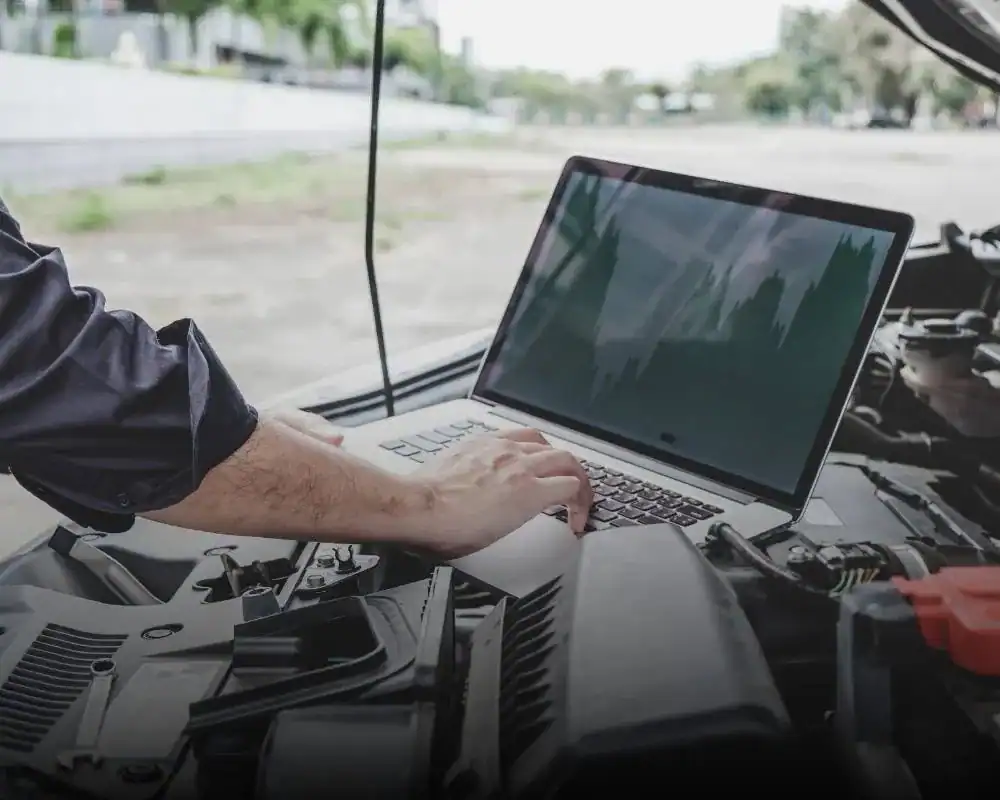
Professional diagnostic tools go deeper than basic code readers. They can access manufacturer-specific codes, view live data from your sensors, and run system tests that a $30 scanner can’t handle. That’s especially helpful for complex issues or intermittent problems that don’t always trigger a code.
If you’re in Athens or Clarke County and your check engine light is on, getting a proper diagnostic scan is the first step. It gives you the information you need to make a smart decision about repairs, and it helps avoid throwing parts at the problem without knowing if they’ll actually fix it.
Dashboard Warning Lights: What Colors Mean and When to Act
Your dashboard uses a color-coding system to help you understand how urgent a warning is. Most vehicles follow a pattern similar to traffic lights, and once you know what each color means, you can respond faster and more confidently.
Red warning lights mean stop. If a red light comes on—whether it’s the check engine light, oil pressure, brake system, or temperature warning—you should pull over as soon as it’s safe and turn off the engine. Red indicates a critical issue that could cause serious damage or put you in danger if you keep driving. For example, a red oil pressure light means your engine isn’t getting the lubrication it needs, and continuing to drive could seize the engine completely.
Yellow, amber, or orange lights are caution signals. They mean something needs attention, but it’s not an immediate emergency. A yellow check engine light falls into this category. You can usually finish your trip, but you shouldn’t ignore it for weeks. These lights are your car’s way of saying “get this checked soon before it turns into a bigger problem.”
Green and blue lights are informational. They let you know a system is active or working correctly. For instance, a green light might indicate your headlights are on, or a blue light might show that your high beams are engaged. These aren’t warnings—they’re just status updates.
Some dashboard lights also flash to signal urgency. A flashing light typically means immediate action is required, whether that’s fastening your seatbelt, closing a door properly, or—in the case of the check engine light—pulling over because of a serious engine misfire.
It’s worth noting that not all vehicles use the exact same symbols or colors, so checking your owner’s manual is always a good idea. But the general rule holds: red means stop, yellow means caution, and green or blue means you’re good to go.
If you’re seeing multiple warning lights at once, that’s usually a sign of a bigger issue. Sometimes a failing battery or alternator can trigger several lights because the electrical system isn’t supplying enough power to run the sensors properly. In cases like that, it’s best to have the vehicle towed rather than risk getting stranded or causing further damage.
Understanding these color codes helps you stay calm and make the right call when a light pops on. And if you’re ever unsure, the safest move is to get it checked by a professional who can tell you exactly what’s going on and what needs to happen next.
What to Do Next If Your Check Engine Light Is On in Athens, GA
The check engine light doesn’t have to be a source of stress. Now that you know what it means, how to read the warning signs, and when to take action, you’re in a better position to handle it calmly and smartly.
If your light is steady and your car is driving normally, start by checking your gas cap. If that doesn’t solve it, schedule a diagnostic appointment to get the codes read and interpreted by someone who knows what they’re looking at. If the light is flashing or you’re noticing performance issues, don’t wait—get the vehicle checked right away to avoid more expensive damage down the road.
When you’re ready to get answers, we’re here to help. Our master-certified technicians use modern diagnostic tools to pinpoint the issue, and our digital inspection process means you’ll see exactly what’s going on with photos and videos—no guesswork, no surprises. Whether it’s a simple fix or something more involved, you’ll know what you’re dealing with before any work begins.