Decode Your Check Engine Light Errors

Your check engine light just came on. Before you panic, get a real diagnostic that shows you exactly what's wrong—with photos, videos, and transparent pricing.

Share:

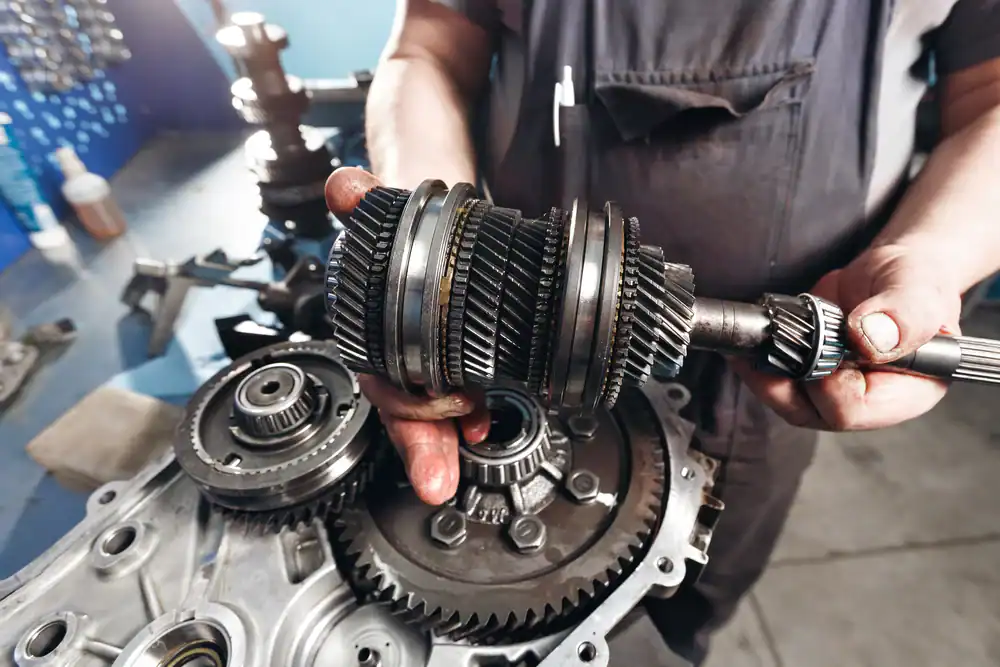
A mechanic wearing a dark uniform holds a set of metal gears, working on disassembling or repairing a vehicle transmission on a workbench with various automotive parts.

That glowing check engine light on your dashboard can trigger instant anxiety. Is it something minor, or are you looking at a massive repair bill? Can you keep driving, or should you pull over right now?

Here’s what matters: a check engine light is your vehicle’s way of telling you something needs attention. It could be as simple as a loose gas cap or as serious as engine misfires. The only way to know for sure is a proper diagnostic. You’ll learn what triggers these warning lights, how to respond when yours comes on, what those diagnostic codes actually mean, and how we help you make informed decisions without the runaround.

What Triggers Your Check Engine Light

Your vehicle’s onboard diagnostic system monitors dozens of sensors throughout the engine, transmission, and emissions systems. When any sensor detects a reading outside the normal range, the Engine Control Module stores a diagnostic trouble code and turns on that amber warning light.

The system exists primarily to monitor emissions and prevent environmental damage, but it catches mechanical problems too. Anything that could increase tailpipe emissions—from a failing catalytic converter to misfiring spark plugs—will trigger the light.

Modern vehicles are complex networks of electronic components communicating constantly. A problem in one area often creates a cascade effect. That’s why simply reading a code isn’t enough. You need someone who understands how these systems interact and can identify the root cause, not just clear a code and send you on your way.

Service Engine Soon vs Check Engine Light

You might see “Service Engine Soon” instead of “Check Engine” on some vehicles. While they look similar, they signal different things.

The check engine light indicates an unexpected problem with your engine or emissions system. It means something’s malfunctioning right now and needs diagnosis. This is the warning that requires a scan tool to pull diagnostic trouble codes and determine what’s failing.

Service Engine Soon typically reminds you of scheduled maintenance. Think oil changes, filter replacements, or routine inspections based on mileage intervals. It’s your vehicle’s way of saying “time for service” rather than “something broke.”

Some manufacturers use these terms interchangeably, which adds confusion. That’s why connecting to the OBD-II port and reading actual codes matters more than interpreting dashboard symbols. The codes tell the real story.

Both lights deserve attention. Ignoring a check engine warning can turn a small problem into an expensive one. Delaying scheduled maintenance shortens your vehicle’s lifespan and often leads to the very breakdowns that trigger check engine lights in the first place. Regular care prevents emergency repairs.

The key difference: one alerts you to existing damage, the other helps you prevent it. When either light appears, getting a diagnostic gives you facts instead of guesswork. You’ll know whether you need immediate repairs or routine service, what the actual cost will be, and whether it’s safe to keep driving.

Common Reasons Your Warning Light Activates

Some issues trigger check engine lights more often than others. Understanding the common culprits helps you know what to expect.

A loose or damaged gas cap ranks as the most frequent cause. Your fuel system maintains pressure to prevent vapors from escaping. When the cap doesn’t seal properly, the evaporative emissions system detects a leak and flags it. Tightening or replacing the cap often solves it, though the light may take a few drive cycles to reset.

Oxygen sensors measure unburned oxygen in your exhaust, helping the engine computer adjust the fuel-air mixture. When these sensors fail, you’ll see reduced fuel economy and increased emissions. Replacing a faulty oxygen sensor is relatively straightforward, but ignoring it can damage your catalytic converter—a much more expensive component.

Speaking of catalytic converters, these emissions control devices convert harmful pollutants into less dangerous substances. A failing converter usually means something else went wrong first. Misfires, oil consumption, or coolant leaks can destroy a catalytic converter. That’s why proper diagnosis matters. Replacing the converter without fixing the underlying cause just leads to another failure.

Mass airflow sensors tell your engine how much air is entering so it can deliver the right amount of fuel. A dirty or failing sensor causes rough idle, hesitation, poor acceleration, and decreased fuel efficiency. Sometimes cleaning helps. Other times replacement is necessary.

Spark plugs and ignition coils create the spark that ignites the fuel-air mixture. Worn plugs or failing coils cause misfires, which you’ll feel as rough running or loss of power. These components wear out over time and need periodic replacement. Conventional plugs last 30,000-50,000 miles. Long-life platinum or iridium plugs can go 60,000-150,000 miles.

Vacuum leaks, EGR valve issues, battery problems, and dozens of other malfunctions can also trigger the light. That’s why modern vehicles can generate over 5,000 different diagnostic trouble codes. A code reader gives you a starting point. Experienced technicians interpret those codes, test related systems, and find the actual problem.

How to Respond When Your Light Comes On

The way your check engine light behaves tells you how urgently you need service.

A solid amber or yellow light means something needs attention soon, but it’s not an immediate emergency. You can typically drive to a repair shop, though you shouldn’t ignore it for weeks. The longer you wait, the more likely a small problem becomes a big one.

Check your gas cap first. Make sure it’s tight and the seal isn’t cracked. If you just filled up and forgot to tighten it properly, this simple fix might solve everything. The light may stay on for a day or two while the system runs through its checks, but it should eventually turn off if that was the only issue.

Pay attention to how your vehicle is running. If everything feels normal—no strange noises, no loss of power, no rough idle—you probably have time to schedule an appointment. If you notice performance changes along with the light, get it checked sooner.

When a Flashing Check Engine Light Means Stop Now

A flashing check engine light is a different story entirely. This signals a serious problem that can cause immediate damage if you keep driving.

Flashing typically indicates an engine misfire severe enough to send unburned fuel into the exhaust system. That fuel can overheat and destroy your catalytic converter in minutes. Catalytic converter replacement can cost $1,000-$2,500 or more, depending on your vehicle.

When you see a flashing light, reduce your speed immediately. Avoid hard acceleration and high RPMs. Get to a safe location and shut off the engine. If you’re on the highway, take the nearest exit. If you’re in traffic, pull into a parking lot.

Don’t try to drive home or to a repair shop if it’s more than a couple miles away. The damage you’ll cause in those few miles can turn a $200 spark plug repair into a $3,000 engine rebuild. Call for a tow or roadside assistance instead.

Misfires happen when one or more cylinders aren’t firing properly. Causes include bad spark plugs, failing ignition coils, fuel injector problems, or low compression. All require diagnosis to pinpoint which cylinder is misfiring and why.

Some vehicles display a solid red engine light instead of yellow for critical problems. Red means the same thing as flashing—stop driving. You might also see red lights for overheating or oil pressure loss. These require immediate attention to prevent catastrophic engine damage.

Temperature and oil pressure warnings deserve special mention. If you see a temperature warning, your engine is overheating. Continuing to drive can warp cylinder heads or blow head gaskets. If the oil pressure light comes on, you’ve lost lubrication. Running without oil pressure will seize your engine in minutes.

The bottom line: amber or yellow lights give you time to get professional diagnosis. Flashing or red lights mean stop now and get help. Your dashboard is communicating urgency through color and behavior. Listen to it.

What Happens During a Professional Diagnostic

A real diagnostic goes far beyond plugging in a code reader and writing down numbers.

The process starts with connecting a professional scan tool to your vehicle’s OBD-II port, usually located under the dashboard near the steering column. This tool communicates with your Engine Control Module to retrieve stored diagnostic trouble codes.

Each code is a five-character combination that indicates which system has a problem. For example, P0420 points to catalytic converter efficiency below threshold. P0300 indicates random or multiple cylinder misfires. The “P” stands for powertrain, and the numbers narrow down the specific issue.

But here’s what matters: a code tells you what system triggered the warning, not necessarily what’s broken. P0420 could mean a failing catalytic converter, but it might also indicate a faulty oxygen sensor, exhaust leak, or engine running too rich. Good technicians use codes as a starting point, then perform tests to confirm the actual failure.

That’s where experience and proper equipment make the difference. After pulling codes, our technicians inspect related components, check sensor data in real time, perform tests on suspected parts, and verify the repair solved the problem.

We take this further with digital inspection technology. You receive photos and videos showing exactly what’s wrong with your vehicle. See the cracked vacuum hose, the oil-fouled spark plug, or the damaged wiring harness for yourself. No guessing, no taking someone’s word for it.

This visual documentation helps you understand why a repair is necessary and makes informed decisions about your vehicle. You approve all work and pricing before anything gets fixed. No surprises, no pressure, just facts and options.

The diagnostic also includes checking for pending codes—issues the system detected but hasn’t confirmed yet. These give insight into intermittent problems that might not trigger the light consistently. Addressing pending codes early prevents future breakdowns.

After repairs, we clear the codes and verify the light stays off through drive cycles. Simply erasing codes without fixing anything just masks problems temporarily. Proper repair eliminates the root cause, and the light stays off because nothing’s actually wrong anymore.

Why Professional Diagnostics Matter in Clarke County

You can buy a basic code reader for $20-$50 and pull codes yourself. So why pay for professional diagnostics?

Because codes don’t fix cars. Diagnosis does. A code tells you a sensor detected something abnormal. It doesn’t tell you why, what failed, or how to fix it properly. Experienced technicians interpret codes in context, understanding how different systems interact and where to look next.

Modern vehicles in Athens and throughout Clarke County are increasingly complex. Electronic control units, advanced driver assistance systems, hybrid powertrains, and networked components require specialized knowledge and equipment. Our ASE Master Certified technicians invest hundreds of hours in training to stay current with evolving technology.

We back diagnostic work and repairs with a 2-year/24,000-mile nationwide warranty. That coverage demonstrates confidence in the work and protects you long-term. When you’re confident the repair is done right, you stop worrying about that check engine light coming back next week.

Our digital inspection process, transparent pricing, and customer approval before work begins all build trust. You’re not just getting a diagnosis. You’re getting clarity, documentation, and control over your vehicle’s care. For UGA students, military personnel, and first responders, a 10% discount makes expert service more accessible.

When your check engine light comes on, you deserve answers, not guesswork. We provide the diagnostic expertise, modern tools, and transparent communication that turn dashboard anxiety into informed action.

That glowing check engine light on your dashboard can trigger instant anxiety. Is it something minor, or are you looking at a massive repair bill? Can you keep driving, or should you pull over right now?

Here’s what matters: a check engine light is your vehicle’s way of telling you something needs attention. It could be as simple as a loose gas cap or as serious as engine misfires. The only way to know for sure is a proper diagnostic. You’ll learn what triggers these warning lights, how to respond when yours comes on, what those diagnostic codes actually mean, and how we help you make informed decisions without the runaround.

What Triggers Your Check Engine Light

Your vehicle’s onboard diagnostic system monitors dozens of sensors throughout the engine, transmission, and emissions systems. When any sensor detects a reading outside the normal range, the Engine Control Module stores a diagnostic trouble code and turns on that amber warning light.

The system exists primarily to monitor emissions and prevent environmental damage, but it catches mechanical problems too. Anything that could increase tailpipe emissions—from a failing catalytic converter to misfiring spark plugs—will trigger the light.

Modern vehicles are complex networks of electronic components communicating constantly. A problem in one area often creates a cascade effect. That’s why simply reading a code isn’t enough. You need someone who understands how these systems interact and can identify the root cause, not just clear a code and send you on your way.

Service Engine Soon vs Check Engine Light

You might see “Service Engine Soon” instead of “Check Engine” on some vehicles. While they look similar, they signal different things.

The check engine light indicates an unexpected problem with your engine or emissions system. It means something’s malfunctioning right now and needs diagnosis. This is the warning that requires a scan tool to pull diagnostic trouble codes and determine what’s failing.

Service Engine Soon typically reminds you of scheduled maintenance. Think oil changes, filter replacements, or routine inspections based on mileage intervals. It’s your vehicle’s way of saying “time for service” rather than “something broke.”

Some manufacturers use these terms interchangeably, which adds confusion. That’s why connecting to the OBD-II port and reading actual codes matters more than interpreting dashboard symbols. The codes tell the real story.

Both lights deserve attention. Ignoring a check engine warning can turn a small problem into an expensive one. Delaying scheduled maintenance shortens your vehicle’s lifespan and often leads to the very breakdowns that trigger check engine lights in the first place. Regular care prevents emergency repairs.

The key difference: one alerts you to existing damage, the other helps you prevent it. When either light appears, getting a diagnostic gives you facts instead of guesswork. You’ll know whether you need immediate repairs or routine service, what the actual cost will be, and whether it’s safe to keep driving.

Common Reasons Your Warning Light Activates

Some issues trigger check engine lights more often than others. Understanding the common culprits helps you know what to expect.

A loose or damaged gas cap ranks as the most frequent cause. Your fuel system maintains pressure to prevent vapors from escaping. When the cap doesn’t seal properly, the evaporative emissions system detects a leak and flags it. Tightening or replacing the cap often solves it, though the light may take a few drive cycles to reset.

Oxygen sensors measure unburned oxygen in your exhaust, helping the engine computer adjust the fuel-air mixture. When these sensors fail, you’ll see reduced fuel economy and increased emissions. Replacing a faulty oxygen sensor is relatively straightforward, but ignoring it can damage your catalytic converter—a much more expensive component.

Speaking of catalytic converters, these emissions control devices convert harmful pollutants into less dangerous substances. A failing converter usually means something else went wrong first. Misfires, oil consumption, or coolant leaks can destroy a catalytic converter. That’s why proper diagnosis matters. Replacing the converter without fixing the underlying cause just leads to another failure.

Mass airflow sensors tell your engine how much air is entering so it can deliver the right amount of fuel. A dirty or failing sensor causes rough idle, hesitation, poor acceleration, and decreased fuel efficiency. Sometimes cleaning helps. Other times replacement is necessary.

Spark plugs and ignition coils create the spark that ignites the fuel-air mixture. Worn plugs or failing coils cause misfires, which you’ll feel as rough running or loss of power. These components wear out over time and need periodic replacement. Conventional plugs last 30,000-50,000 miles. Long-life platinum or iridium plugs can go 60,000-150,000 miles.

Vacuum leaks, EGR valve issues, battery problems, and dozens of other malfunctions can also trigger the light. That’s why modern vehicles can generate over 5,000 different diagnostic trouble codes. A code reader gives you a starting point. Experienced technicians interpret those codes, test related systems, and find the actual problem.

How to Respond When Your Light Comes On

The way your check engine light behaves tells you how urgently you need service.

A solid amber or yellow light means something needs attention soon, but it’s not an immediate emergency. You can typically drive to a repair shop, though you shouldn’t ignore it for weeks. The longer you wait, the more likely a small problem becomes a big one.

Check your gas cap first. Make sure it’s tight and the seal isn’t cracked. If you just filled up and forgot to tighten it properly, this simple fix might solve everything. The light may stay on for a day or two while the system runs through its checks, but it should eventually turn off if that was the only issue.

Pay attention to how your vehicle is running. If everything feels normal—no strange noises, no loss of power, no rough idle—you probably have time to schedule an appointment. If you notice performance changes along with the light, get it checked sooner.

When a Flashing Check Engine Light Means Stop Now

A flashing check engine light is a different story entirely. This signals a serious problem that can cause immediate damage if you keep driving.

Flashing typically indicates an engine misfire severe enough to send unburned fuel into the exhaust system. That fuel can overheat and destroy your catalytic converter in minutes. Catalytic converter replacement can cost $1,000-$2,500 or more, depending on your vehicle.

When you see a flashing light, reduce your speed immediately. Avoid hard acceleration and high RPMs. Get to a safe location and shut off the engine. If you’re on the highway, take the nearest exit. If you’re in traffic, pull into a parking lot.

Don’t try to drive home or to a repair shop if it’s more than a couple miles away. The damage you’ll cause in those few miles can turn a $200 spark plug repair into a $3,000 engine rebuild. Call for a tow or roadside assistance instead.

Misfires happen when one or more cylinders aren’t firing properly. Causes include bad spark plugs, failing ignition coils, fuel injector problems, or low compression. All require diagnosis to pinpoint which cylinder is misfiring and why.

Some vehicles display a solid red engine light instead of yellow for critical problems. Red means the same thing as flashing—stop driving. You might also see red lights for overheating or oil pressure loss. These require immediate attention to prevent catastrophic engine damage.

Temperature and oil pressure warnings deserve special mention. If you see a temperature warning, your engine is overheating. Continuing to drive can warp cylinder heads or blow head gaskets. If the oil pressure light comes on, you’ve lost lubrication. Running without oil pressure will seize your engine in minutes.

The bottom line: amber or yellow lights give you time to get professional diagnosis. Flashing or red lights mean stop now and get help. Your dashboard is communicating urgency through color and behavior. Listen to it.

What Happens During a Professional Diagnostic

A real diagnostic goes far beyond plugging in a code reader and writing down numbers.

The process starts with connecting a professional scan tool to your vehicle’s OBD-II port, usually located under the dashboard near the steering column. This tool communicates with your Engine Control Module to retrieve stored diagnostic trouble codes.

Each code is a five-character combination that indicates which system has a problem. For example, P0420 points to catalytic converter efficiency below threshold. P0300 indicates random or multiple cylinder misfires. The “P” stands for powertrain, and the numbers narrow down the specific issue.

But here’s what matters: a code tells you what system triggered the warning, not necessarily what’s broken. P0420 could mean a failing catalytic converter, but it might also indicate a faulty oxygen sensor, exhaust leak, or engine running too rich. Good technicians use codes as a starting point, then perform tests to confirm the actual failure.

That’s where experience and proper equipment make the difference. After pulling codes, our technicians inspect related components, check sensor data in real time, perform tests on suspected parts, and verify the repair solved the problem.

We take this further with digital inspection technology. You receive photos and videos showing exactly what’s wrong with your vehicle. See the cracked vacuum hose, the oil-fouled spark plug, or the damaged wiring harness for yourself. No guessing, no taking someone’s word for it.

This visual documentation helps you understand why a repair is necessary and makes informed decisions about your vehicle. You approve all work and pricing before anything gets fixed. No surprises, no pressure, just facts and options.

The diagnostic also includes checking for pending codes—issues the system detected but hasn’t confirmed yet. These give insight into intermittent problems that might not trigger the light consistently. Addressing pending codes early prevents future breakdowns.

After repairs, we clear the codes and verify the light stays off through drive cycles. Simply erasing codes without fixing anything just masks problems temporarily. Proper repair eliminates the root cause, and the light stays off because nothing’s actually wrong anymore.

Why Professional Diagnostics Matter in Clarke County

You can buy a basic code reader for $20-$50 and pull codes yourself. So why pay for professional diagnostics?

Because codes don’t fix cars. Diagnosis does. A code tells you a sensor detected something abnormal. It doesn’t tell you why, what failed, or how to fix it properly. Experienced technicians interpret codes in context, understanding how different systems interact and where to look next.

Modern vehicles in Athens and throughout Clarke County are increasingly complex. Electronic control units, advanced driver assistance systems, hybrid powertrains, and networked components require specialized knowledge and equipment. Our ASE Master Certified technicians invest hundreds of hours in training to stay current with evolving technology.

We back diagnostic work and repairs with a 2-year/24,000-mile nationwide warranty. That coverage demonstrates confidence in the work and protects you long-term. When you’re confident the repair is done right, you stop worrying about that check engine light coming back next week.

Our digital inspection process, transparent pricing, and customer approval before work begins all build trust. You’re not just getting a diagnosis. You’re getting clarity, documentation, and control over your vehicle’s care. For UGA students, military personnel, and first responders, a 10% discount makes expert service more accessible.

When your check engine light comes on, you deserve answers, not guesswork. We provide the diagnostic expertise, modern tools, and transparent communication that turn dashboard anxiety into informed action.

Article details:

Share:

Continue learning: