Book Service Now

Honda Transmission Specialist vs General Repair Shops

Not all transmission shops understand Honda's unique CVT and automatic systems. Discover what separates specialists from general mechanics when your transmission needs expert care.

Share:

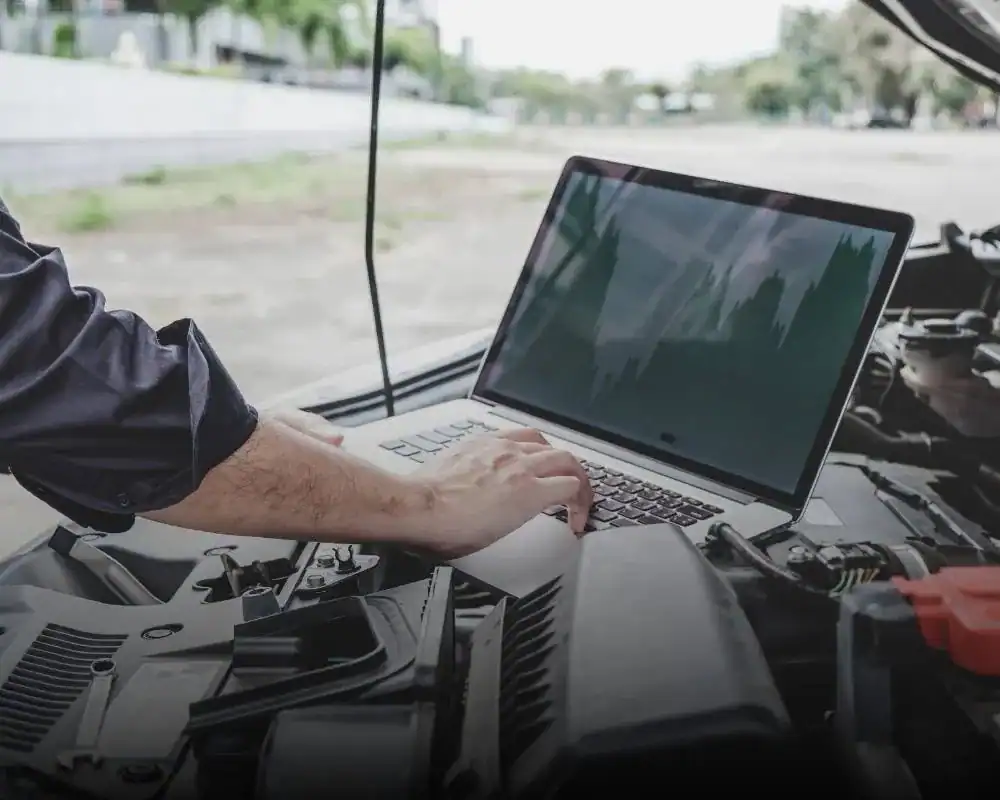
A mechanic in a dark blue uniform uses a wrench to work on a car engine. The hood is open, revealing various engine components. The scene is well-lit, indicating a daytime setting. The mechanic's hands are focused on a specific task. Athens, GA

Your Honda’s transmission is slipping. Or shuddering. Or making that noise you’ve been ignoring for three weeks. Now you’re staring at your phone, trying to figure out where to take it. The dealership wants to schedule you two weeks out and quoted a number that made your stomach drop. Your regular mechanic says they “work on transmissions,” but you’re not sure if they really know Hondas. And that chain shop down the street? You’ve heard stories.

Here’s what actually matters: Honda transmissions are different. Not just a little different—genuinely engineered in ways that require specific knowledge to diagnose and repair correctly. Whether you’re dealing with a CVT that’s shuddering at 40 mph or an automatic that’s delayed when you shift into drive, the expertise of who’s looking at it determines whether you get an accurate diagnosis or an expensive guess. Let’s talk about what separates a transmission specialist from a general shop, and why it matters for your wallet and your peace of mind.

Why Honda Transmissions Need Specialized Knowledge

Honda has always done things their own way when it comes to transmissions. While most manufacturers buy transmissions from outside suppliers, Honda designs and builds their own. That means their automatic transmissions don’t use the same planetary gear systems you’ll find in a Ford or Chevy. Their CVTs include a torque converter—something most other CVT designs skip entirely. And their hybrid systems use an entirely different type of e-CVT that has nothing to do with the belt-driven CVTs in a Civic or CR-V.

This isn’t just technical trivia. It’s the reason a general mechanic might look at your shuddering transmission and assume it’s a universal problem with a universal fix. A Honda transmission specialist knows that shudder between 20-50 mph is almost always the torque converter, not the CVT belt. We know which model years had extended warranties for specific issues. We understand that what looks like a slipping transmission might actually be an electrical problem with a solenoid that costs $400 to replace instead of $3,500 to rebuild.

When you’re paying someone to diagnose a transmission problem, you’re paying for their knowledge as much as their labor. The difference between someone who’s seen your exact issue fifty times and someone who’s guessing based on general transmission knowledge can cost you thousands.

Honda CVT Transmission Problems Require Specific Expertise

If you own a Honda with a CVT—and that includes most Civics, Accords, CR-Vs, and HR-Vs from the last decade—you need to understand something important. Honda CVTs are more reliable than Nissan’s notorious JATCO transmissions, but they’re not bulletproof. They have specific, known issues that a specialist recognizes immediately and a general shop might spend hours trying to figure out.

The most common complaint is torque converter shudder. You feel it as a vibration through the steering wheel or floorboard when you’re cruising at steady speed, usually between 20 and 50 mph. It goes away when you accelerate or when you’re stopped. A general mechanic might tell you the whole CVT is failing and needs replacement. A specialist knows this is almost always the torque converter, and while it’s not a cheap fix, it’s nowhere near the cost of a full CVT replacement.

Then there’s the overheating issue. Honda CVTs generate heat, and when the fluid breaks down from age or lack of maintenance, things go south fast. The transmission starts slipping, hesitating, or making whining noises. Here’s where a specialist’s diagnostic process makes all the difference. We’ll check the fluid condition first—looking at color, smell, and whether there are metal particles. We’ll scan for specific fault codes that indicate overheating or pressure problems. We know that Honda recommends CVT fluid changes every 30,000 to 60,000 miles, and we can tell you if neglected maintenance caused your problem or if you’re dealing with a manufacturing defect that might still be covered under an extended warranty.

General shops often don’t have the diagnostic tools to read Honda-specific transmission codes. They’re working with basic OBD-II scanners that might show a generic “transmission fault” code, but they’re missing the detailed data that tells you exactly which component failed and why. That’s not a knock on general mechanics—it’s just not their specialty. But when you’re facing a potential $4,000 repair bill, you want someone who can tell you with certainty what’s actually wrong.

Another thing specialists understand: not every Honda CVT problem needs a full rebuild or replacement. Sometimes it’s a software update. Sometimes it’s a valve body issue. Sometimes it’s literally just old, broken-down fluid that needs changing. A general shop that doesn’t specialize in transmissions is more likely to recommend the most expensive fix because they don’t have the experience to know what else might work.

Diagnostic Tools and Equipment Make the Difference

Walk into a general repair shop and ask to see their transmission diagnostic equipment. You’ll probably see a standard OBD-II scanner—the same tool that reads your check engine light codes. It’s a good tool, but it’s not enough for modern Honda transmissions. Now walk into a transmission specialist’s shop. You’ll see advanced scan tools that can read manufacturer-specific codes, monitor live data from transmission sensors, check fluid pressure, and run active tests on solenoids and clutch packs.

This equipment isn’t cheap, which is why general shops don’t usually invest in it. A quality diagnostic scanner with Honda-specific software can run several thousand dollars, and it needs regular updates to work with newer models. We make that investment because it’s our core business. We need tools that can tell us the exact temperature of your CVT fluid, the pressure in each clutch pack, whether a specific solenoid is responding correctly, and what fault codes are stored in the transmission control module.

Here’s a real-world example of why this matters. Your transmission is shifting rough. A general mechanic plugs in a basic scanner, sees a code that says “transmission malfunction,” and tells you it needs to be rebuilt. We plug in our advanced diagnostic tool and see that the code is specifically pointing to a faulty shift solenoid. We can test that solenoid, confirm it’s not working, replace it for $600, and send you on your way. Same symptom, completely different diagnosis, and you just saved $2,500.

The digital inspection process is another tool that separates specialists from general shops. When we tear into your transmission for diagnosis, we’re documenting everything with photos and videos. You get to see the actual worn clutch pack, the metal shavings in the pan, or the damaged seal that’s causing your leak. You’re not taking anyone’s word for it—you’re seeing the evidence yourself. That level of transparency builds trust, but it also requires investment in equipment and a process that general shops often skip.

Then there’s the knowledge of what to look for. A specialist knows that certain Honda models had specific failure points. We know which years of CR-V had torque converter problems. We know which Accord transmissions had harsh shifting that could be fixed with a software update. We know which Civic models are covered under extended warranty for CVT issues. A general mechanic might eventually figure these things out, but you’re paying diagnostic time for them to learn what a specialist already knows.

Comparing Transmission Specialists Across Import Brands

Honda isn’t the only import brand with unique transmission engineering. If you’re in Clarke County, GA weighing your options or trying to understand what “specialized knowledge” really means, it helps to see how transmission expertise varies across different manufacturers. Each brand has its own quirks, common problems, and diagnostic requirements.

The common thread across all import brands is this: their transmissions are computer-controlled, brand-specific, and require diagnostic tools and knowledge that general repair shops often don’t have. Whether you’re driving a Honda, Toyota, Nissan, or Mercedes around Athens, a transmission specialist who focuses on your brand brings value that a general mechanic simply can’t match.

Toyota Transmission Specialist Knowledge and Reliability

Toyota has built a reputation for transmission reliability that’s mostly deserved. Their traditional automatic transmissions regularly exceed 200,000 miles with basic maintenance. But that doesn’t mean they’re problem-free, and it definitely doesn’t mean any mechanic can work on them effectively.

Toyota’s CVT transmissions, used in many Corollas and newer Camrys, are generally more reliable than Honda’s, but they still require specific knowledge. The fluid change intervals are different. The diagnostic procedures are different. And Toyota’s hybrid e-CVT system—found in the Prius and hybrid versions of other models—isn’t actually a belt-driven CVT at all. It’s a planetary gear set paired with electric motors. A general mechanic might see “CVT” in the service manual and treat it like a Honda CVT, which would be completely wrong.

Where Toyota owners run into trouble is with older automatic transmissions in V6 models. Certain year Camrys, Avalons, and Siennas had issues with torque converter shudder and premature wear. A Toyota transmission specialist knows which model years are affected, what the symptoms look like, and whether your vehicle might be covered under Toyota’s extended warranty programs. We also know that some shifting issues in newer models can be resolved with transmission software updates rather than mechanical repairs.

The diagnostic approach matters too. Toyota uses their own diagnostic system called Techstream. It provides way more detailed information than a generic OBD-II scanner. A specialist with Techstream can read transmission fluid temperature, shift point data, and specific fault codes that help pinpoint problems fast. General shops working without this tool are diagnosing blind, which means more guesswork and higher risk of misdiagnosis.

Bottom line for Toyota owners in Athens: your transmission might be more reliable than a Nissan’s, but when something does go wrong, you still need someone who knows the difference between a U660E, U760E, and the newer Direct Shift transmissions. Those aren’t just model numbers—they’re completely different designs that require different diagnostic and repair approaches.

Nissan Transmission Specialist Expertise and CVT Challenges

If you own a Nissan with a CVT, you probably already know you need a specialist. Nissan’s JATCO-built CVT transmissions have earned a reputation for premature failure, particularly in models from 2013 to 2018. The Altima, Sentra, Rogue, Pathfinder, and Murano all use these transmissions, and all have had significant problems reported by owners and documented in lawsuits and recalls.

The most common issues include overheating, shuddering, slipping, complete failure at relatively low mileage (sometimes under 100,000 miles), and delayed engagement when shifting from park to drive. These aren’t problems that a general mechanic is going to diagnose correctly without specific Nissan transmission experience. The symptoms can look like a dozen different issues, but a specialist knows the pattern immediately.

Here’s where Nissan transmission specialists provide critical value: we know which problems might still be covered under Nissan’s extended warranty programs. Nissan has extended CVT warranties on certain models to 10 years or 120,000 miles due to the high failure rates. They’ve also issued service bulletins for software updates and specific repair procedures. We stay current on these bulletins and know how to document your issue in a way that might get Nissan to cover some or all of the repair cost. A general shop won’t know any of this.

The diagnostic process for Nissan CVTs requires specific knowledge of what to look for. Transmission fluid condition tells a huge story with these units. If the fluid is dark, smells burnt, or has metal particles, the CVT is already damaged internally. We know to check this first before recommending repairs. We also know that Nissan CVTs are extremely sensitive to fluid type—using the wrong fluid, even quality aftermarket fluid, can cause failure. That’s critical information when you’re deciding between a fluid change and a full replacement.

Cost is another factor where specialists help. Nissan CVT replacement can run $4,000 to $8,000 depending on the model. But sometimes the problem isn’t the entire CVT—it’s the valve body, the step motor, or the transmission control module. With the right diagnostic tools, we can identify these components and replace just what’s failed, potentially saving you thousands. General shops are more likely to recommend full replacement because they don’t have the expertise to diagnose at the component level.

One more thing Nissan owners need to know: preventive maintenance matters more with these transmissions than almost any other. We recommend CVT fluid changes every 30,000 miles—more frequently than Nissan’s official recommendation—because we’ve seen firsthand how fluid breakdown leads to failure. If you’re taking your Nissan to a general shop that’s following the owner’s manual interval of 60,000 miles or more, you’re increasing your risk significantly.

**Mercedes Transmission Specialist Considerations:** While Mercedes doesn’t use CVT transmissions in their modern vehicles, their multi-speed automatic transmissions are among the most complex on the road. Mercedes uses 7-speed, 9-speed, and even 9G-TRONIC transmissions that require specialized diagnostic equipment and software. General repair shops in Clarke County, GA rarely have the Mercedes-specific scan tools needed to properly diagnose these systems. If you own a Mercedes and experience transmission issues, you need either a dealership or an independent specialist with Mercedes certification and equipment—a general transmission shop won’t have the tools or knowledge to work on these systems effectively.

Making the Right Choice for Your Honda Transmission Repair

Your transmission is too important and too expensive to trust to guesswork. Whether you’re dealing with a shuddering CVT, delayed shifts, or warning lights on your dash, the expertise of who diagnoses your problem determines what you’ll pay and whether the repair actually fixes the issue.

A Honda transmission specialist brings brand-specific knowledge, advanced diagnostic tools, and experience with the exact problems your model is known for. We can tell you if your issue might be covered under warranty. We know which repairs actually work and which ones are temporary fixes. And we have the equipment to show you exactly what’s wrong instead of asking you to trust a verbal explanation.

General repair shops have their place. They’re great for oil changes, brake jobs, and routine maintenance. But when it comes to transmission work—especially on modern CVT and computer-controlled automatics—you need someone who does this every single day. The cost difference between a specialist and a dealership can save you 20-40% on the same repair. The knowledge difference between a specialist and a general shop can save you from paying for repairs you don’t actually need.

If you’re in Clarke County, GA and your Honda transmission is giving you trouble, we have the specialized knowledge and diagnostic equipment to get it right the first time. Our master-certified technicians, transparent pricing, and 24-month/24,000-mile warranty on transmission work mean you’re getting specialist-level expertise without dealership prices.

Your Honda’s transmission is slipping. Or shuddering. Or making that noise you’ve been ignoring for three weeks. Now you’re staring at your phone, trying to figure out where to take it. The dealership wants to schedule you two weeks out and quoted a number that made your stomach drop. Your regular mechanic says they “work on transmissions,” but you’re not sure if they really know Hondas. And that chain shop down the street? You’ve heard stories.

Here’s what actually matters: Honda transmissions are different. Not just a little different—genuinely engineered in ways that require specific knowledge to diagnose and repair correctly. Whether you’re dealing with a CVT that’s shuddering at 40 mph or an automatic that’s delayed when you shift into drive, the expertise of who’s looking at it determines whether you get an accurate diagnosis or an expensive guess. Let’s talk about what separates a transmission specialist from a general shop, and why it matters for your wallet and your peace of mind.

Why Honda Transmissions Need Specialized Knowledge

Honda has always done things their own way when it comes to transmissions. While most manufacturers buy transmissions from outside suppliers, Honda designs and builds their own. That means their automatic transmissions don’t use the same planetary gear systems you’ll find in a Ford or Chevy. Their CVTs include a torque converter—something most other CVT designs skip entirely. And their hybrid systems use an entirely different type of e-CVT that has nothing to do with the belt-driven CVTs in a Civic or CR-V.

This isn’t just technical trivia. It’s the reason a general mechanic might look at your shuddering transmission and assume it’s a universal problem with a universal fix. A Honda transmission specialist knows that shudder between 20-50 mph is almost always the torque converter, not the CVT belt. We know which model years had extended warranties for specific issues. We understand that what looks like a slipping transmission might actually be an electrical problem with a solenoid that costs $400 to replace instead of $3,500 to rebuild.

When you’re paying someone to diagnose a transmission problem, you’re paying for their knowledge as much as their labor. The difference between someone who’s seen your exact issue fifty times and someone who’s guessing based on general transmission knowledge can cost you thousands.

Honda CVT Transmission Problems Require Specific Expertise

If you own a Honda with a CVT—and that includes most Civics, Accords, CR-Vs, and HR-Vs from the last decade—you need to understand something important. Honda CVTs are more reliable than Nissan’s notorious JATCO transmissions, but they’re not bulletproof. They have specific, known issues that a specialist recognizes immediately and a general shop might spend hours trying to figure out.

The most common complaint is torque converter shudder. You feel it as a vibration through the steering wheel or floorboard when you’re cruising at steady speed, usually between 20 and 50 mph. It goes away when you accelerate or when you’re stopped. A general mechanic might tell you the whole CVT is failing and needs replacement. A specialist knows this is almost always the torque converter, and while it’s not a cheap fix, it’s nowhere near the cost of a full CVT replacement.

Then there’s the overheating issue. Honda CVTs generate heat, and when the fluid breaks down from age or lack of maintenance, things go south fast. The transmission starts slipping, hesitating, or making whining noises. Here’s where a specialist’s diagnostic process makes all the difference. We’ll check the fluid condition first—looking at color, smell, and whether there are metal particles. We’ll scan for specific fault codes that indicate overheating or pressure problems. We know that Honda recommends CVT fluid changes every 30,000 to 60,000 miles, and we can tell you if neglected maintenance caused your problem or if you’re dealing with a manufacturing defect that might still be covered under an extended warranty.

General shops often don’t have the diagnostic tools to read Honda-specific transmission codes. They’re working with basic OBD-II scanners that might show a generic “transmission fault” code, but they’re missing the detailed data that tells you exactly which component failed and why. That’s not a knock on general mechanics—it’s just not their specialty. But when you’re facing a potential $4,000 repair bill, you want someone who can tell you with certainty what’s actually wrong.

Another thing specialists understand: not every Honda CVT problem needs a full rebuild or replacement. Sometimes it’s a software update. Sometimes it’s a valve body issue. Sometimes it’s literally just old, broken-down fluid that needs changing. A general shop that doesn’t specialize in transmissions is more likely to recommend the most expensive fix because they don’t have the experience to know what else might work.

Diagnostic Tools and Equipment Make the Difference

Walk into a general repair shop and ask to see their transmission diagnostic equipment. You’ll probably see a standard OBD-II scanner—the same tool that reads your check engine light codes. It’s a good tool, but it’s not enough for modern Honda transmissions. Now walk into a transmission specialist’s shop. You’ll see advanced scan tools that can read manufacturer-specific codes, monitor live data from transmission sensors, check fluid pressure, and run active tests on solenoids and clutch packs.

This equipment isn’t cheap, which is why general shops don’t usually invest in it. A quality diagnostic scanner with Honda-specific software can run several thousand dollars, and it needs regular updates to work with newer models. We make that investment because it’s our core business. We need tools that can tell us the exact temperature of your CVT fluid, the pressure in each clutch pack, whether a specific solenoid is responding correctly, and what fault codes are stored in the transmission control module.

Here’s a real-world example of why this matters. Your transmission is shifting rough. A general mechanic plugs in a basic scanner, sees a code that says “transmission malfunction,” and tells you it needs to be rebuilt. We plug in our advanced diagnostic tool and see that the code is specifically pointing to a faulty shift solenoid. We can test that solenoid, confirm it’s not working, replace it for $600, and send you on your way. Same symptom, completely different diagnosis, and you just saved $2,500.

The digital inspection process is another tool that separates specialists from general shops. When we tear into your transmission for diagnosis, we’re documenting everything with photos and videos. You get to see the actual worn clutch pack, the metal shavings in the pan, or the damaged seal that’s causing your leak. You’re not taking anyone’s word for it—you’re seeing the evidence yourself. That level of transparency builds trust, but it also requires investment in equipment and a process that general shops often skip.

Then there’s the knowledge of what to look for. A specialist knows that certain Honda models had specific failure points. We know which years of CR-V had torque converter problems. We know which Accord transmissions had harsh shifting that could be fixed with a software update. We know which Civic models are covered under extended warranty for CVT issues. A general mechanic might eventually figure these things out, but you’re paying diagnostic time for them to learn what a specialist already knows.

Comparing Transmission Specialists Across Import Brands

Honda isn’t the only import brand with unique transmission engineering. If you’re in Clarke County, GA weighing your options or trying to understand what “specialized knowledge” really means, it helps to see how transmission expertise varies across different manufacturers. Each brand has its own quirks, common problems, and diagnostic requirements.

The common thread across all import brands is this: their transmissions are computer-controlled, brand-specific, and require diagnostic tools and knowledge that general repair shops often don’t have. Whether you’re driving a Honda, Toyota, Nissan, or Mercedes around Athens, a transmission specialist who focuses on your brand brings value that a general mechanic simply can’t match.

Toyota Transmission Specialist Knowledge and Reliability

Toyota has built a reputation for transmission reliability that’s mostly deserved. Their traditional automatic transmissions regularly exceed 200,000 miles with basic maintenance. But that doesn’t mean they’re problem-free, and it definitely doesn’t mean any mechanic can work on them effectively.

Toyota’s CVT transmissions, used in many Corollas and newer Camrys, are generally more reliable than Honda’s, but they still require specific knowledge. The fluid change intervals are different. The diagnostic procedures are different. And Toyota’s hybrid e-CVT system—found in the Prius and hybrid versions of other models—isn’t actually a belt-driven CVT at all. It’s a planetary gear set paired with electric motors. A general mechanic might see “CVT” in the service manual and treat it like a Honda CVT, which would be completely wrong.

Where Toyota owners run into trouble is with older automatic transmissions in V6 models. Certain year Camrys, Avalons, and Siennas had issues with torque converter shudder and premature wear. A Toyota transmission specialist knows which model years are affected, what the symptoms look like, and whether your vehicle might be covered under Toyota’s extended warranty programs. We also know that some shifting issues in newer models can be resolved with transmission software updates rather than mechanical repairs.

The diagnostic approach matters too. Toyota uses their own diagnostic system called Techstream. It provides way more detailed information than a generic OBD-II scanner. A specialist with Techstream can read transmission fluid temperature, shift point data, and specific fault codes that help pinpoint problems fast. General shops working without this tool are diagnosing blind, which means more guesswork and higher risk of misdiagnosis.

Bottom line for Toyota owners in Athens: your transmission might be more reliable than a Nissan’s, but when something does go wrong, you still need someone who knows the difference between a U660E, U760E, and the newer Direct Shift transmissions. Those aren’t just model numbers—they’re completely different designs that require different diagnostic and repair approaches.

Nissan Transmission Specialist Expertise and CVT Challenges

If you own a Nissan with a CVT, you probably already know you need a specialist. Nissan’s JATCO-built CVT transmissions have earned a reputation for premature failure, particularly in models from 2013 to 2018. The Altima, Sentra, Rogue, Pathfinder, and Murano all use these transmissions, and all have had significant problems reported by owners and documented in lawsuits and recalls.

The most common issues include overheating, shuddering, slipping, complete failure at relatively low mileage (sometimes under 100,000 miles), and delayed engagement when shifting from park to drive. These aren’t problems that a general mechanic is going to diagnose correctly without specific Nissan transmission experience. The symptoms can look like a dozen different issues, but a specialist knows the pattern immediately.

Here’s where Nissan transmission specialists provide critical value: we know which problems might still be covered under Nissan’s extended warranty programs. Nissan has extended CVT warranties on certain models to 10 years or 120,000 miles due to the high failure rates. They’ve also issued service bulletins for software updates and specific repair procedures. We stay current on these bulletins and know how to document your issue in a way that might get Nissan to cover some or all of the repair cost. A general shop won’t know any of this.

The diagnostic process for Nissan CVTs requires specific knowledge of what to look for. Transmission fluid condition tells a huge story with these units. If the fluid is dark, smells burnt, or has metal particles, the CVT is already damaged internally. We know to check this first before recommending repairs. We also know that Nissan CVTs are extremely sensitive to fluid type—using the wrong fluid, even quality aftermarket fluid, can cause failure. That’s critical information when you’re deciding between a fluid change and a full replacement.

Cost is another factor where specialists help. Nissan CVT replacement can run $4,000 to $8,000 depending on the model. But sometimes the problem isn’t the entire CVT—it’s the valve body, the step motor, or the transmission control module. With the right diagnostic tools, we can identify these components and replace just what’s failed, potentially saving you thousands. General shops are more likely to recommend full replacement because they don’t have the expertise to diagnose at the component level.

One more thing Nissan owners need to know: preventive maintenance matters more with these transmissions than almost any other. We recommend CVT fluid changes every 30,000 miles—more frequently than Nissan’s official recommendation—because we’ve seen firsthand how fluid breakdown leads to failure. If you’re taking your Nissan to a general shop that’s following the owner’s manual interval of 60,000 miles or more, you’re increasing your risk significantly.

**Mercedes Transmission Specialist Considerations:** While Mercedes doesn’t use CVT transmissions in their modern vehicles, their multi-speed automatic transmissions are among the most complex on the road. Mercedes uses 7-speed, 9-speed, and even 9G-TRONIC transmissions that require specialized diagnostic equipment and software. General repair shops in Clarke County, GA rarely have the Mercedes-specific scan tools needed to properly diagnose these systems. If you own a Mercedes and experience transmission issues, you need either a dealership or an independent specialist with Mercedes certification and equipment—a general transmission shop won’t have the tools or knowledge to work on these systems effectively.

Making the Right Choice for Your Honda Transmission Repair

Your transmission is too important and too expensive to trust to guesswork. Whether you’re dealing with a shuddering CVT, delayed shifts, or warning lights on your dash, the expertise of who diagnoses your problem determines what you’ll pay and whether the repair actually fixes the issue.

A Honda transmission specialist brings brand-specific knowledge, advanced diagnostic tools, and experience with the exact problems your model is known for. We can tell you if your issue might be covered under warranty. We know which repairs actually work and which ones are temporary fixes. And we have the equipment to show you exactly what’s wrong instead of asking you to trust a verbal explanation.

General repair shops have their place. They’re great for oil changes, brake jobs, and routine maintenance. But when it comes to transmission work—especially on modern CVT and computer-controlled automatics—you need someone who does this every single day. The cost difference between a specialist and a dealership can save you 20-40% on the same repair. The knowledge difference between a specialist and a general shop can save you from paying for repairs you don’t actually need.

If you’re in Clarke County, GA and your Honda transmission is giving you trouble, we have the specialized knowledge and diagnostic equipment to get it right the first time. Our master-certified technicians, transparent pricing, and 24-month/24,000-mile warranty on transmission work mean you’re getting specialist-level expertise without dealership prices.

Article details:

Share: