Book Service Now

What to Do When Your Check Engine Light Comes On

That check engine light just came on. Before you panic or ignore it, understand what it means, when it's urgent, and your next steps for safe, smart action.

Share:

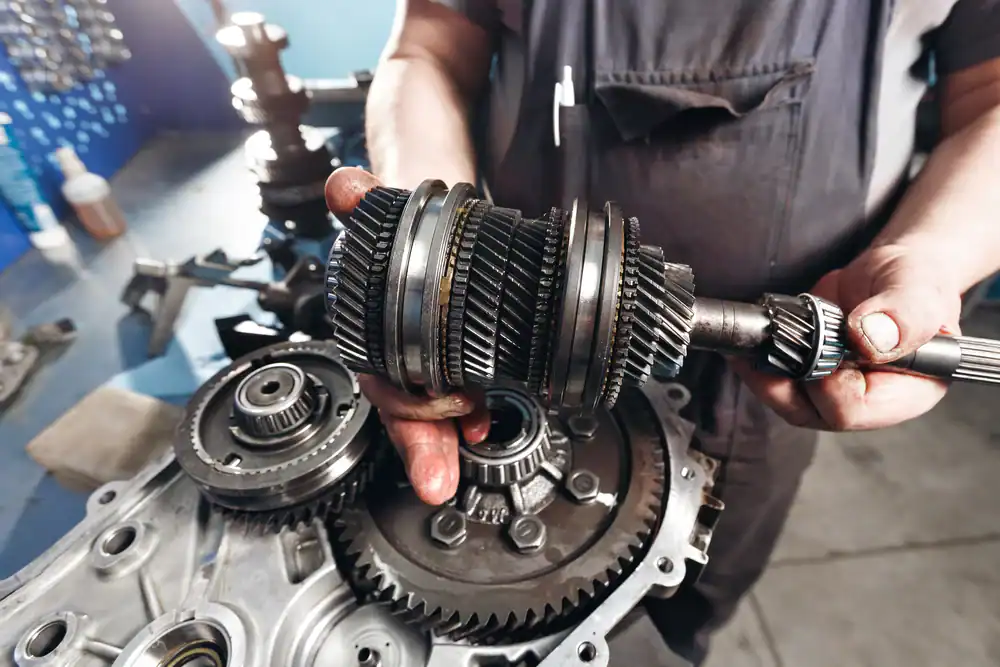
A mechanic wearing a dark uniform holds a set of metal gears, working on disassembling or repairing a vehicle transmission on a workbench with various automotive parts.

You’re driving through Athens, maybe heading to campus or back from work, and that little orange light pops up on your dashboard. Check engine. Your stomach drops. Is it serious? Can you keep driving? How much is this going to cost?

Here’s the thing: a check engine light doesn’t always mean disaster. But it does mean your car detected something worth your attention. What you do next matters—for your engine’s health, your safety, and your bank account. This guide breaks down what that light actually means, what to check first, when you need to pull over immediately, and how to get the right diagnosis without wasting time or money.

Understanding What Your Check Engine Light Means

Your check engine light is part of your car’s onboard diagnostic system. Think of it as a messenger. When sensors throughout your engine, exhaust, or emissions system detect something off, they send a signal to your car’s computer. That computer stores a diagnostic trouble code and flips on the light.

The light itself doesn’t tell you what’s wrong. It just tells you that your car found a problem and logged it. That problem could be minor—like a gas cap that’s not sealing properly—or it could be serious, like misfiring cylinders or a failing catalytic converter.

Some vehicles use color coding. A yellow or amber light typically means you should get it checked soon. A red light or a flashing light means stop driving as soon as it’s safe. If your check engine light is flashing, that’s your car’s version of yelling. It usually signals an active misfire or another issue that can cause immediate engine damage if you keep going.

What to Do Immediately When the Light Comes On

The first thing to do is stay calm and assess the situation. Don’t panic, but don’t ignore it either.

If the light is solid and steady, check how your car is behaving. Is it running normally? Any strange noises, smells, or vibrations? If everything feels fine, you can usually continue driving to a safe location—home, work, or a repair shop. Just don’t put it off for weeks. The longer you wait, the more risk you’re taking that a small issue becomes a big one.

If the light is flashing, pull over as soon as you safely can. Turn off the engine. A flashing check engine light almost always means your engine is misfiring, which can damage your catalytic converter fast. That’s a repair that can run over a thousand dollars if it gets worse. Don’t risk it.

Before you do anything else, check your gas cap. Sounds too simple, right? But a loose, cracked, or missing gas cap is one of the most common reasons the light comes on. It affects your fuel system’s pressure and triggers the sensor. Tighten it until you hear a click. If that was the issue, the light might turn off after a few drive cycles.

If your car is losing power, shaking, making unusual sounds, or you notice burning smells, don’t keep driving. These are signs of a more serious problem. Pull over, turn off the car, and call for help. Continuing to drive could turn a fixable issue into an expensive disaster.

Pay attention to other warning lights too. If your check engine light comes on along with your oil pressure light, temperature warning, or brake warning, that’s a red flag. Multiple lights mean multiple systems are involved, and you need professional eyes on it right away.

Engine Sign on Dashboard: Common Causes You Should Know

Your check engine light can come on for dozens of reasons. Some are cheap and easy fixes. Others require real work. Here are the most common culprits.

**Loose or Faulty Gas Cap:** This is the easiest and cheapest fix. If your gas cap isn’t sealing, fuel vapors escape, and your emissions system throws a code. Tighten it or replace it for about $25.

**Oxygen Sensor Issues:** Your oxygen sensors monitor exhaust gases to help your engine run efficiently. When they fail, your fuel economy drops and emissions go up. Replacing one typically costs a few hundred dollars, but ignoring it can damage your catalytic converter, which costs a lot more.

**Catalytic Converter Problems:** This is the big one. A failing catalytic converter is the most common—and most expensive—check engine light repair. It usually doesn’t fail on its own. It fails because another problem, like bad spark plugs or a faulty oxygen sensor, went unfixed. If you catch those issues early, you can avoid a $1,300+ catalytic converter replacement.

**Mass Airflow Sensor Failure:** This sensor measures how much air enters your engine so it knows how much fuel to inject. When it malfunctions, you’ll notice rough idling, hesitation, or poor fuel economy. It’s a straightforward replacement, but it needs to be done before it affects other systems.

**Spark Plugs and Ignition Coils:** Worn-out spark plugs or failing ignition coils cause misfires, which trigger the check engine light. You might feel the engine stumble or hesitate. Replacing spark plugs is routine maintenance, but if you ignore it, those misfires can damage your catalytic converter.

**EVAP System Issues:** Your evaporative emissions system prevents fuel vapors from escaping into the atmosphere. A purge valve or leak in the system will trip the light. These repairs vary in cost depending on what part failed, but they’re necessary to keep your car running clean and passing emissions tests.

**Battery or Electrical Problems:** Sometimes a weak battery or charging system issue triggers the light. If your battery isn’t providing steady voltage, it can confuse sensors and throw codes. This is more common than you’d think, especially in older vehicles.

Each of these problems shows up as a specific diagnostic trouble code in your car’s computer. That’s why getting a proper scan is so important. Guessing wastes time and money.

How to Get Your Check Engine Light Diagnosed

Once you’ve confirmed the light isn’t going away on its own, the next step is getting a diagnosis. This means reading the diagnostic trouble codes stored in your car’s computer.

You have a couple of options. You can buy an OBD-II scanner yourself. These plug into a port under your steering column and read the codes for you. Basic scanners are inexpensive and can tell you what code triggered the light. The problem is, the code only points to a system or sensor—it doesn’t tell you why that sensor failed or what actually needs fixing.

Some auto parts stores offer free code reading. That’s helpful for getting a starting point, but again, it’s just the code. It’s not a full diagnosis. You still need someone who knows how to interpret that code, test the related components, and figure out the real issue.

Professional diagnostics go deeper. A trained technician doesn’t just pull the code. They check the sensor data, inspect related systems, look at service bulletins for your vehicle, and use experience to pinpoint the actual problem. That’s the difference between replacing a part and hoping it works versus knowing exactly what’s wrong and fixing it right the first time.

Diagnostic testing typically costs between $100 and $200, depending on where you go. Many shops waive that fee if you have the repair done there. It’s worth it. Trying to diagnose it yourself or guessing based on a code can lead to replacing parts you don’t need, which gets expensive fast.

Why Professional Diagnostics Save You Money

Here’s what happens when you skip professional diagnostics: you get a code, look it up online, and see that it points to, say, an oxygen sensor. So you buy one and replace it. But the light comes back on. Why? Because the oxygen sensor wasn’t the problem—it was just reporting a problem caused by something else, like a vacuum leak or exhaust issue.

Now you’ve spent money on a part you didn’t need, and you still don’t know what’s actually wrong.

A good diagnostic process looks at the whole picture. Modern vehicles have dozens of sensors that all talk to each other. One failing component can trigger multiple codes. A technician with the right tools and experience knows how to trace the issue back to the root cause.

They’ll also check for technical service bulletins. Manufacturers release these when they identify common issues with specific models. If your car has a known problem that matches your symptoms, a trained tech will know about it and fix it faster.

Professional diagnostics also protect your engine. Some check engine light issues can cause serious damage if you keep driving. A misfire, for example, dumps unburned fuel into your exhaust, which can overheat and destroy your catalytic converter. Catching that early with proper testing saves you from a repair bill that’s ten times higher.

And here’s the thing: a proper diagnosis gives you options. You’ll know exactly what’s wrong, what it costs to fix, and whether it’s urgent or something you can plan for. That’s a lot better than guessing or ignoring it and hoping for the best.

What Happens If You Ignore Your Check Engine Light

Ignoring a check engine light is a gamble. Sometimes you’ll get lucky and it’s something minor that doesn’t get worse. Most of the time, though, you’re setting yourself up for bigger problems.

Small issues turn into expensive ones. A failing oxygen sensor that costs a few hundred dollars to replace can ruin a catalytic converter that costs over a thousand. Worn spark plugs that cost $100 to change can cause misfires that damage ignition coils, fuel injectors, and yes, that catalytic converter again.

Your fuel economy suffers. When your engine isn’t running efficiently because a sensor is off or a component is failing, you burn more gas. That adds up. You might not notice it day to day, but over weeks and months, you’re spending more at the pump than you would’ve spent fixing the problem.

You’ll fail your emissions test. Most states require vehicles to pass an inspection before you can renew your registration. If your check engine light is on, you’re not passing. That means you can’t legally drive your car until the issue is fixed and the light is off.

You risk getting stranded. Some check engine light problems won’t leave you on the side of the road. But some will. A failing fuel pump, a bad alternator, or an overheating engine can all trigger the light before they fail completely. Ignoring the warning means you might end up calling for a tow when you least expect it.

And here’s the worst part: if the problem that caused the check engine light damages other parts of your engine or transmission, those repairs might not be covered by your insurance or warranty. You’re on the hook for the full cost.

Bottom line: the check engine light is there for a reason. It’s not a suggestion. It’s a heads-up that something needs attention before it becomes a crisis.

Getting Your Check Engine Light Fixed in Athens, GA

A check engine light doesn’t have to be a source of stress. Once you understand what it means and what to do next, you’re in control.

Start by assessing the situation. If the light is flashing or you notice other warning signs, pull over and get help. If it’s steady and your car is running normally, check your gas cap and plan to get it diagnosed soon. Don’t ignore it. The longer you wait, the more risk you’re taking with your engine, your wallet, and your safety.

When you’re ready for a professional diagnosis, choose a shop with the tools, training, and transparency to give you real answers. You want technicians who use modern diagnostic equipment, explain what they find, and give you a clear picture of what needs fixing and what it costs—before any work starts.

If you’re in Athens or Clarke County and that check engine light has you concerned, we’re here to help. Our master-certified technicians use advanced diagnostic tools to pinpoint the issue fast, and our digital inspection process shows you exactly what’s going on with photos and videos. You’ll know what’s wrong, what it costs, and why it matters—no surprises, no runaround.

You’re driving through Athens, maybe heading to campus or back from work, and that little orange light pops up on your dashboard. Check engine. Your stomach drops. Is it serious? Can you keep driving? How much is this going to cost?

Here’s the thing: a check engine light doesn’t always mean disaster. But it does mean your car detected something worth your attention. What you do next matters—for your engine’s health, your safety, and your bank account. This guide breaks down what that light actually means, what to check first, when you need to pull over immediately, and how to get the right diagnosis without wasting time or money.

Understanding What Your Check Engine Light Means

Your check engine light is part of your car’s onboard diagnostic system. Think of it as a messenger. When sensors throughout your engine, exhaust, or emissions system detect something off, they send a signal to your car’s computer. That computer stores a diagnostic trouble code and flips on the light.

The light itself doesn’t tell you what’s wrong. It just tells you that your car found a problem and logged it. That problem could be minor—like a gas cap that’s not sealing properly—or it could be serious, like misfiring cylinders or a failing catalytic converter.

Some vehicles use color coding. A yellow or amber light typically means you should get it checked soon. A red light or a flashing light means stop driving as soon as it’s safe. If your check engine light is flashing, that’s your car’s version of yelling. It usually signals an active misfire or another issue that can cause immediate engine damage if you keep going.

What to Do Immediately When the Light Comes On

The first thing to do is stay calm and assess the situation. Don’t panic, but don’t ignore it either.

If the light is solid and steady, check how your car is behaving. Is it running normally? Any strange noises, smells, or vibrations? If everything feels fine, you can usually continue driving to a safe location—home, work, or a repair shop. Just don’t put it off for weeks. The longer you wait, the more risk you’re taking that a small issue becomes a big one.

If the light is flashing, pull over as soon as you safely can. Turn off the engine. A flashing check engine light almost always means your engine is misfiring, which can damage your catalytic converter fast. That’s a repair that can run over a thousand dollars if it gets worse. Don’t risk it.

Before you do anything else, check your gas cap. Sounds too simple, right? But a loose, cracked, or missing gas cap is one of the most common reasons the light comes on. It affects your fuel system’s pressure and triggers the sensor. Tighten it until you hear a click. If that was the issue, the light might turn off after a few drive cycles.

If your car is losing power, shaking, making unusual sounds, or you notice burning smells, don’t keep driving. These are signs of a more serious problem. Pull over, turn off the car, and call for help. Continuing to drive could turn a fixable issue into an expensive disaster.

Pay attention to other warning lights too. If your check engine light comes on along with your oil pressure light, temperature warning, or brake warning, that’s a red flag. Multiple lights mean multiple systems are involved, and you need professional eyes on it right away.

Engine Sign on Dashboard: Common Causes You Should Know

Your check engine light can come on for dozens of reasons. Some are cheap and easy fixes. Others require real work. Here are the most common culprits.

**Loose or Faulty Gas Cap:** This is the easiest and cheapest fix. If your gas cap isn’t sealing, fuel vapors escape, and your emissions system throws a code. Tighten it or replace it for about $25.

**Oxygen Sensor Issues:** Your oxygen sensors monitor exhaust gases to help your engine run efficiently. When they fail, your fuel economy drops and emissions go up. Replacing one typically costs a few hundred dollars, but ignoring it can damage your catalytic converter, which costs a lot more.

**Catalytic Converter Problems:** This is the big one. A failing catalytic converter is the most common—and most expensive—check engine light repair. It usually doesn’t fail on its own. It fails because another problem, like bad spark plugs or a faulty oxygen sensor, went unfixed. If you catch those issues early, you can avoid a $1,300+ catalytic converter replacement.

**Mass Airflow Sensor Failure:** This sensor measures how much air enters your engine so it knows how much fuel to inject. When it malfunctions, you’ll notice rough idling, hesitation, or poor fuel economy. It’s a straightforward replacement, but it needs to be done before it affects other systems.

**Spark Plugs and Ignition Coils:** Worn-out spark plugs or failing ignition coils cause misfires, which trigger the check engine light. You might feel the engine stumble or hesitate. Replacing spark plugs is routine maintenance, but if you ignore it, those misfires can damage your catalytic converter.

**EVAP System Issues:** Your evaporative emissions system prevents fuel vapors from escaping into the atmosphere. A purge valve or leak in the system will trip the light. These repairs vary in cost depending on what part failed, but they’re necessary to keep your car running clean and passing emissions tests.

**Battery or Electrical Problems:** Sometimes a weak battery or charging system issue triggers the light. If your battery isn’t providing steady voltage, it can confuse sensors and throw codes. This is more common than you’d think, especially in older vehicles.

Each of these problems shows up as a specific diagnostic trouble code in your car’s computer. That’s why getting a proper scan is so important. Guessing wastes time and money.

How to Get Your Check Engine Light Diagnosed

Once you’ve confirmed the light isn’t going away on its own, the next step is getting a diagnosis. This means reading the diagnostic trouble codes stored in your car’s computer.

You have a couple of options. You can buy an OBD-II scanner yourself. These plug into a port under your steering column and read the codes for you. Basic scanners are inexpensive and can tell you what code triggered the light. The problem is, the code only points to a system or sensor—it doesn’t tell you why that sensor failed or what actually needs fixing.

Some auto parts stores offer free code reading. That’s helpful for getting a starting point, but again, it’s just the code. It’s not a full diagnosis. You still need someone who knows how to interpret that code, test the related components, and figure out the real issue.

Professional diagnostics go deeper. A trained technician doesn’t just pull the code. They check the sensor data, inspect related systems, look at service bulletins for your vehicle, and use experience to pinpoint the actual problem. That’s the difference between replacing a part and hoping it works versus knowing exactly what’s wrong and fixing it right the first time.

Diagnostic testing typically costs between $100 and $200, depending on where you go. Many shops waive that fee if you have the repair done there. It’s worth it. Trying to diagnose it yourself or guessing based on a code can lead to replacing parts you don’t need, which gets expensive fast.

Why Professional Diagnostics Save You Money

Here’s what happens when you skip professional diagnostics: you get a code, look it up online, and see that it points to, say, an oxygen sensor. So you buy one and replace it. But the light comes back on. Why? Because the oxygen sensor wasn’t the problem—it was just reporting a problem caused by something else, like a vacuum leak or exhaust issue.

Now you’ve spent money on a part you didn’t need, and you still don’t know what’s actually wrong.

A good diagnostic process looks at the whole picture. Modern vehicles have dozens of sensors that all talk to each other. One failing component can trigger multiple codes. A technician with the right tools and experience knows how to trace the issue back to the root cause.

They’ll also check for technical service bulletins. Manufacturers release these when they identify common issues with specific models. If your car has a known problem that matches your symptoms, a trained tech will know about it and fix it faster.

Professional diagnostics also protect your engine. Some check engine light issues can cause serious damage if you keep driving. A misfire, for example, dumps unburned fuel into your exhaust, which can overheat and destroy your catalytic converter. Catching that early with proper testing saves you from a repair bill that’s ten times higher.

And here’s the thing: a proper diagnosis gives you options. You’ll know exactly what’s wrong, what it costs to fix, and whether it’s urgent or something you can plan for. That’s a lot better than guessing or ignoring it and hoping for the best.

What Happens If You Ignore Your Check Engine Light

Ignoring a check engine light is a gamble. Sometimes you’ll get lucky and it’s something minor that doesn’t get worse. Most of the time, though, you’re setting yourself up for bigger problems.

Small issues turn into expensive ones. A failing oxygen sensor that costs a few hundred dollars to replace can ruin a catalytic converter that costs over a thousand. Worn spark plugs that cost $100 to change can cause misfires that damage ignition coils, fuel injectors, and yes, that catalytic converter again.

Your fuel economy suffers. When your engine isn’t running efficiently because a sensor is off or a component is failing, you burn more gas. That adds up. You might not notice it day to day, but over weeks and months, you’re spending more at the pump than you would’ve spent fixing the problem.

You’ll fail your emissions test. Most states require vehicles to pass an inspection before you can renew your registration. If your check engine light is on, you’re not passing. That means you can’t legally drive your car until the issue is fixed and the light is off.

You risk getting stranded. Some check engine light problems won’t leave you on the side of the road. But some will. A failing fuel pump, a bad alternator, or an overheating engine can all trigger the light before they fail completely. Ignoring the warning means you might end up calling for a tow when you least expect it.

And here’s the worst part: if the problem that caused the check engine light damages other parts of your engine or transmission, those repairs might not be covered by your insurance or warranty. You’re on the hook for the full cost.

Bottom line: the check engine light is there for a reason. It’s not a suggestion. It’s a heads-up that something needs attention before it becomes a crisis.

Getting Your Check Engine Light Fixed in Athens, GA

A check engine light doesn’t have to be a source of stress. Once you understand what it means and what to do next, you’re in control.

Start by assessing the situation. If the light is flashing or you notice other warning signs, pull over and get help. If it’s steady and your car is running normally, check your gas cap and plan to get it diagnosed soon. Don’t ignore it. The longer you wait, the more risk you’re taking with your engine, your wallet, and your safety.

When you’re ready for a professional diagnosis, choose a shop with the tools, training, and transparency to give you real answers. You want technicians who use modern diagnostic equipment, explain what they find, and give you a clear picture of what needs fixing and what it costs—before any work starts.

If you’re in Athens or Clarke County and that check engine light has you concerned, we’re here to help. Our master-certified technicians use advanced diagnostic tools to pinpoint the issue fast, and our digital inspection process shows you exactly what’s going on with photos and videos. You’ll know what’s wrong, what it costs, and why it matters—no surprises, no runaround.

Article details:

Share: