When Your Check Engine Light Flashes

A flashing check engine light isn't something to ignore. It signals active engine misfiring that can destroy your catalytic converter in minutes if you keep driving.

Share:

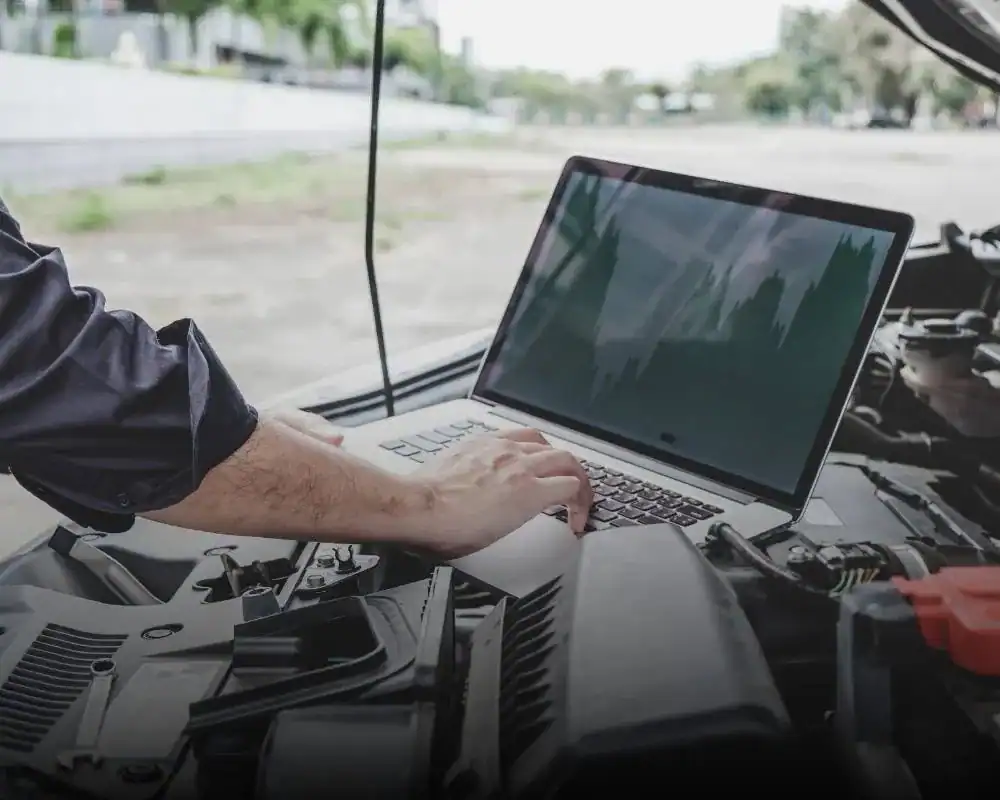
Laptop used for car diagnostics and repair services in Clarke County, Georgia, at Pro Transmissions. Experts in accurate and efficient automotive troubleshooting and diagnostics

You’re driving through Athens, maybe heading to campus or running errands around Clarke County, and suddenly that check engine light on your dash starts blinking. Your heart sinks. Is this an emergency? Can you make it home? Should you pull over right now?

A flashing check engine light is your vehicle’s way of screaming for help. It’s not the same as a steady light that gives you a few days to figure things out. When it flashes, something is actively going wrong under your hood, and every mile you drive could be making it worse.

Here’s what you need to know about why your engine light is flashing, what it means for your vehicle, and how to handle it without turning a fixable problem into a financial disaster.

Engine Light Meaning When It's Flashing vs Solid

Your check engine light has two modes, and the difference between them matters more than most people realize.

A solid check engine light means your vehicle’s computer detected something that needs attention soon. Maybe it’s a loose gas cap. Maybe it’s a sensor reading outside normal range. Either way, you can usually drive home and schedule an appointment within the next few days without causing major damage.

A flashing check engine light is completely different. When that light blinks, your engine is actively misfiring. One or more cylinders aren’t firing correctly, which means unburned fuel is getting dumped straight into your exhaust system. That raw fuel hits your catalytic converter, which runs at extremely high temperatures, and the result can be catastrophic damage in a matter of minutes.

What Happens When Your Engine Light On and Flashing

When your engine misfires, the combustion process that’s supposed to happen inside the cylinder doesn’t complete properly. The fuel and air mixture either doesn’t ignite at all, or it ignites incompletely. That means raw, unburned fuel passes through your exhaust valves and heads straight for your catalytic converter.

Your catalytic converter is designed to clean up normal exhaust gases, not to act as a furnace for liquid gasoline. When unburned fuel hits the converter’s ceramic honeycomb structure at temperatures that can exceed 1,200°F, it can cause the internal components to melt, crack, or disintegrate. Once that happens, you’re looking at a replacement that can cost anywhere from $1,300 to over $4,000 depending on your vehicle.

The flashing light is your vehicle’s computer trying to protect itself. Modern cars are smart enough to know when a misfire is severe enough to cause converter damage, and that’s when the light starts blinking instead of staying solid. It’s essentially your last warning before expensive damage becomes unavoidable.

But here’s what makes this tricky. Your vehicle might still feel like it’s running okay. Modern engines are designed to adapt and compensate for problems, sometimes entering what’s called “limp mode” to reduce power and protect the drivetrain. Just because your car is still moving doesn’t mean everything is fine. That flashing light is telling you that damage is happening right now, whether you feel it or not.

You might notice the engine running rough, especially at idle or under load. There could be vibrations you don’t normally feel. The vehicle might hesitate when you press the gas pedal, or you might hear a popping sound from the exhaust. Some drivers report a strong smell of raw gasoline from the tailpipe. All of these are signs that cylinders aren’t firing the way they should, and all of them mean you need to take action immediately.

Check Engine Light Meaning and Immediate Action Steps

The moment you see your check engine light flashing, here’s what you should do. First, reduce your speed and ease off the accelerator. Don’t floor it trying to make it home faster. Hard acceleration puts more stress on the engine and sends even more unburned fuel into the exhaust system.

If you’re on the highway, get into the right lane and start looking for a safe place to pull over. A parking lot is ideal. A wide shoulder works if that’s your only option. The goal is to stop driving as soon as you safely can. Turn off the engine once you’re stopped. Continuing to run the engine, even at idle, can keep feeding fuel into a hot catalytic converter.

Once you’re pulled over, check for obvious problems. Is the gas cap loose or missing? That’s rare for a flashing light, but it takes two seconds to check and could save you a tow. Look under the hood if you feel comfortable doing so. Are there any disconnected wires? Any obvious leaks? Strange smells? Note anything unusual because it’ll help the technician diagnose the problem faster.

If the engine feels extremely rough, if you see smoke, if you smell burning, or if the light keeps flashing after you restart the vehicle, don’t try to drive it. Call for a tow. Most roadside assistance plans cover towing for exactly this kind of situation, and the cost of a tow is nothing compared to the cost of a destroyed catalytic converter.

If the light stops flashing and goes solid, the immediate misfire may have paused, but the underlying problem is still there. You might be able to limp to a nearby shop at low speed, but don’t assume everything is fixed. Get it checked out the same day if possible. Waiting turns a small issue into a big one.

Why Is My Check Engine Light On and Flashing? Common Causes

Engine misfires don’t happen for just one reason. There are several common culprits, and understanding them helps you know what to expect when you bring your vehicle in for diagnostics.

The most frequent cause is ignition system failure. Your spark plugs, ignition coils, and plug wires are responsible for creating the spark that ignites the fuel-air mixture in each cylinder. When these components wear out or fail, cylinders stop firing correctly. Spark plugs can become fouled, cracked, or worn. Ignition coils can short-circuit or fail completely. On older vehicles, plug wires can develop cracks that let the spark escape before it reaches the plug.

Fuel system problems are another major cause. Your engine needs the right amount of fuel delivered at precisely the right time. Clogged fuel injectors can starve a cylinder of fuel. A weak fuel pump can’t maintain proper pressure, leading to lean misfires. Dirty fuel filters restrict flow. On the flip side, a stuck-open fuel injector can flood a cylinder with too much fuel, causing what’s called a “rich misfire.”

Sensor Failures and Oxygen Sensor Issues

Modern engines rely on a network of sensors to keep everything balanced. When these sensors fail or send incorrect readings, the engine computer can’t properly adjust the fuel-air mixture or spark timing, and misfires result.

The oxygen sensor is one of the most common triggers for a flashing check engine light. This sensor measures the amount of oxygen in your exhaust gases and tells the computer whether the engine is running rich or lean. When it fails, the computer loses its ability to fine-tune the fuel mixture, which can lead to misfires severe enough to make the light flash.

The mass airflow sensor measures incoming air and helps the computer calculate how much fuel to inject. A dirty or failing MAF sensor gives bad data, throwing off the fuel calculations and potentially causing multiple cylinders to misfire.

The crankshaft position sensor monitors engine speed and piston position, providing critical timing information for fuel injection and spark. When this sensor fails or sends erratic signals, the computer can lose its timing reference entirely, causing widespread misfires that make the engine shake violently and the check engine light flash continuously.

Catalytic converter problems can also contribute, though they’re often the result of misfires rather than the cause. A clogged or failing converter creates backpressure in the exhaust system, making it harder for exhaust gases to exit the cylinders. This can affect engine performance enough to trigger misfires, creating a vicious cycle where the misfire damages the converter further, which worsens the misfire.

How Engine Diagnostics Identify the Real Problem

When you bring your vehicle in with a flashing check engine light, the diagnostic process starts with reading the trouble codes stored in your vehicle’s computer. These codes point our technicians toward the problem area, but they’re not the whole story. A code that says “cylinder 3 misfire” tells you which cylinder has the problem, but it doesn’t tell you why.

That’s where professional diagnostic equipment comes in. Modern scan tools can pull live data from dozens of sensors simultaneously, showing our technicians exactly what’s happening inside your engine in real time. We can see fuel trim values, oxygen sensor readings, ignition timing, and more. This data helps pinpoint whether the misfire is caused by a fuel problem, an ignition problem, or something mechanical.

Visual inspection is just as important. We’ll check spark plugs for fouling, cracks, or excessive wear. We’ll test ignition coils to make sure they’re producing strong, consistent spark. We’ll inspect fuel injectors for clogs or leaks. We’ll check for vacuum leaks that could be letting unmeasured air into the engine. We’ll look at the condition of the catalytic converter to see if it’s already sustained damage.

In some cases, the problem requires deeper investigation. Low compression in a cylinder could indicate worn piston rings or valve problems. A jumped timing chain or belt can throw off valve timing enough to cause misfires. These are less common but still possible, especially in higher-mileage vehicles.

The goal of diagnostics isn’t just to make the light go away. It’s to identify the root cause so the repair actually fixes the problem and prevents it from coming back. That’s why choosing a shop with experienced technicians and proper diagnostic tools matters. Guessing at the problem and throwing parts at it wastes your time and money. Accurate diagnostics get you back on the road with confidence that the issue is actually resolved.

Getting Your Flashing Check Engine Light Diagnosed in Athens, GA

A flashing check engine light isn’t something you can afford to ignore or put off until next week. It’s your vehicle telling you that serious damage is happening right now, and every minute you wait makes the repair more expensive.

The difference between a $200 spark plug replacement and a $3,000 catalytic converter replacement often comes down to how quickly you respond. Pull over when you see that light flash. Get your vehicle towed if it’s running rough or if the light won’t stop flashing. And bring it to a shop with the diagnostic tools and experience to identify the real problem, not just clear the code and hope for the best.

If you’re dealing with a flashing check engine light in Clarke County, GA, we have the ASE-certified technicians and modern diagnostic equipment to figure out exactly what’s wrong and fix it right the first time at Pro Transmissions & Automotive of Athens.


You’re driving through Athens, maybe heading to campus or running errands around Clarke County, and suddenly that check engine light on your dash starts blinking. Your heart sinks. Is this an emergency? Can you make it home? Should you pull over right now?

A flashing check engine light is your vehicle’s way of screaming for help. It’s not the same as a steady light that gives you a few days to figure things out. When it flashes, something is actively going wrong under your hood, and every mile you drive could be making it worse.

Here’s what you need to know about why your engine light is flashing, what it means for your vehicle, and how to handle it without turning a fixable problem into a financial disaster.

Engine Light Meaning When It's Flashing vs Solid

Your check engine light has two modes, and the difference between them matters more than most people realize.

A solid check engine light means your vehicle’s computer detected something that needs attention soon. Maybe it’s a loose gas cap. Maybe it’s a sensor reading outside normal range. Either way, you can usually drive home and schedule an appointment within the next few days without causing major damage.

A flashing check engine light is completely different. When that light blinks, your engine is actively misfiring. One or more cylinders aren’t firing correctly, which means unburned fuel is getting dumped straight into your exhaust system. That raw fuel hits your catalytic converter, which runs at extremely high temperatures, and the result can be catastrophic damage in a matter of minutes.

What Happens When Your Engine Light On and Flashing

When your engine misfires, the combustion process that’s supposed to happen inside the cylinder doesn’t complete properly. The fuel and air mixture either doesn’t ignite at all, or it ignites incompletely. That means raw, unburned fuel passes through your exhaust valves and heads straight for your catalytic converter.

Your catalytic converter is designed to clean up normal exhaust gases, not to act as a furnace for liquid gasoline. When unburned fuel hits the converter’s ceramic honeycomb structure at temperatures that can exceed 1,200°F, it can cause the internal components to melt, crack, or disintegrate. Once that happens, you’re looking at a replacement that can cost anywhere from $1,300 to over $4,000 depending on your vehicle.

The flashing light is your vehicle’s computer trying to protect itself. Modern cars are smart enough to know when a misfire is severe enough to cause converter damage, and that’s when the light starts blinking instead of staying solid. It’s essentially your last warning before expensive damage becomes unavoidable.

But here’s what makes this tricky. Your vehicle might still feel like it’s running okay. Modern engines are designed to adapt and compensate for problems, sometimes entering what’s called “limp mode” to reduce power and protect the drivetrain. Just because your car is still moving doesn’t mean everything is fine. That flashing light is telling you that damage is happening right now, whether you feel it or not.

You might notice the engine running rough, especially at idle or under load. There could be vibrations you don’t normally feel. The vehicle might hesitate when you press the gas pedal, or you might hear a popping sound from the exhaust. Some drivers report a strong smell of raw gasoline from the tailpipe. All of these are signs that cylinders aren’t firing the way they should, and all of them mean you need to take action immediately.

Check Engine Light Meaning and Immediate Action Steps

The moment you see your check engine light flashing, here’s what you should do. First, reduce your speed and ease off the accelerator. Don’t floor it trying to make it home faster. Hard acceleration puts more stress on the engine and sends even more unburned fuel into the exhaust system.

If you’re on the highway, get into the right lane and start looking for a safe place to pull over. A parking lot is ideal. A wide shoulder works if that’s your only option. The goal is to stop driving as soon as you safely can. Turn off the engine once you’re stopped. Continuing to run the engine, even at idle, can keep feeding fuel into a hot catalytic converter.

Once you’re pulled over, check for obvious problems. Is the gas cap loose or missing? That’s rare for a flashing light, but it takes two seconds to check and could save you a tow. Look under the hood if you feel comfortable doing so. Are there any disconnected wires? Any obvious leaks? Strange smells? Note anything unusual because it’ll help the technician diagnose the problem faster.

If the engine feels extremely rough, if you see smoke, if you smell burning, or if the light keeps flashing after you restart the vehicle, don’t try to drive it. Call for a tow. Most roadside assistance plans cover towing for exactly this kind of situation, and the cost of a tow is nothing compared to the cost of a destroyed catalytic converter.

If the light stops flashing and goes solid, the immediate misfire may have paused, but the underlying problem is still there. You might be able to limp to a nearby shop at low speed, but don’t assume everything is fixed. Get it checked out the same day if possible. Waiting turns a small issue into a big one.

Why Is My Check Engine Light On and Flashing? Common Causes

Engine misfires don’t happen for just one reason. There are several common culprits, and understanding them helps you know what to expect when you bring your vehicle in for diagnostics.

The most frequent cause is ignition system failure. Your spark plugs, ignition coils, and plug wires are responsible for creating the spark that ignites the fuel-air mixture in each cylinder. When these components wear out or fail, cylinders stop firing correctly. Spark plugs can become fouled, cracked, or worn. Ignition coils can short-circuit or fail completely. On older vehicles, plug wires can develop cracks that let the spark escape before it reaches the plug.

Fuel system problems are another major cause. Your engine needs the right amount of fuel delivered at precisely the right time. Clogged fuel injectors can starve a cylinder of fuel. A weak fuel pump can’t maintain proper pressure, leading to lean misfires. Dirty fuel filters restrict flow. On the flip side, a stuck-open fuel injector can flood a cylinder with too much fuel, causing what’s called a “rich misfire.”

Sensor Failures and Oxygen Sensor Issues

Modern engines rely on a network of sensors to keep everything balanced. When these sensors fail or send incorrect readings, the engine computer can’t properly adjust the fuel-air mixture or spark timing, and misfires result.

The oxygen sensor is one of the most common triggers for a flashing check engine light. This sensor measures the amount of oxygen in your exhaust gases and tells the computer whether the engine is running rich or lean. When it fails, the computer loses its ability to fine-tune the fuel mixture, which can lead to misfires severe enough to make the light flash.

The mass airflow sensor measures incoming air and helps the computer calculate how much fuel to inject. A dirty or failing MAF sensor gives bad data, throwing off the fuel calculations and potentially causing multiple cylinders to misfire.

The crankshaft position sensor monitors engine speed and piston position, providing critical timing information for fuel injection and spark. When this sensor fails or sends erratic signals, the computer can lose its timing reference entirely, causing widespread misfires that make the engine shake violently and the check engine light flash continuously.

Catalytic converter problems can also contribute, though they’re often the result of misfires rather than the cause. A clogged or failing converter creates backpressure in the exhaust system, making it harder for exhaust gases to exit the cylinders. This can affect engine performance enough to trigger misfires, creating a vicious cycle where the misfire damages the converter further, which worsens the misfire.

How Engine Diagnostics Identify the Real Problem

When you bring your vehicle in with a flashing check engine light, the diagnostic process starts with reading the trouble codes stored in your vehicle’s computer. These codes point our technicians toward the problem area, but they’re not the whole story. A code that says “cylinder 3 misfire” tells you which cylinder has the problem, but it doesn’t tell you why.

That’s where professional diagnostic equipment comes in. Modern scan tools can pull live data from dozens of sensors simultaneously, showing our technicians exactly what’s happening inside your engine in real time. We can see fuel trim values, oxygen sensor readings, ignition timing, and more. This data helps pinpoint whether the misfire is caused by a fuel problem, an ignition problem, or something mechanical.

Visual inspection is just as important. We’ll check spark plugs for fouling, cracks, or excessive wear. We’ll test ignition coils to make sure they’re producing strong, consistent spark. We’ll inspect fuel injectors for clogs or leaks. We’ll check for vacuum leaks that could be letting unmeasured air into the engine. We’ll look at the condition of the catalytic converter to see if it’s already sustained damage.

In some cases, the problem requires deeper investigation. Low compression in a cylinder could indicate worn piston rings or valve problems. A jumped timing chain or belt can throw off valve timing enough to cause misfires. These are less common but still possible, especially in higher-mileage vehicles.

The goal of diagnostics isn’t just to make the light go away. It’s to identify the root cause so the repair actually fixes the problem and prevents it from coming back. That’s why choosing a shop with experienced technicians and proper diagnostic tools matters. Guessing at the problem and throwing parts at it wastes your time and money. Accurate diagnostics get you back on the road with confidence that the issue is actually resolved.

Getting Your Flashing Check Engine Light Diagnosed in Athens, GA

A flashing check engine light isn’t something you can afford to ignore or put off until next week. It’s your vehicle telling you that serious damage is happening right now, and every minute you wait makes the repair more expensive.

The difference between a $200 spark plug replacement and a $3,000 catalytic converter replacement often comes down to how quickly you respond. Pull over when you see that light flash. Get your vehicle towed if it’s running rough or if the light won’t stop flashing. And bring it to a shop with the diagnostic tools and experience to identify the real problem, not just clear the code and hope for the best.

If you’re dealing with a flashing check engine light in Clarke County, GA, we have the ASE-certified technicians and modern diagnostic equipment to figure out exactly what’s wrong and fix it right the first time at Pro Transmissions & Automotive of Athens.

Article details:

Share: