
Book Service Now

Why CVT Specialist Expertise Matters for Your Vehicle

Not all mechanics can properly diagnose and repair CVT transmissions. Discover why specialized knowledge makes the difference between a quick fix and an expensive replacement.

Share:

A mechanic’s hands work on a car’s exposed disc brake and wheel hub assembly in a garage, where tools for transmission builds in Athens, GA are visible in the blurred background.

You’re hearing a whining noise when you accelerate. Maybe your transmission shudders when you pull away from a stop. Or your check engine light just came on, and the code mentions your transmission. If you drive a Nissan, Honda, Toyota, or Subaru built in the last decade, there’s a good chance you have a CVT. And here’s what most people don’t realize until it’s too late: your regular mechanic probably doesn’t have the training to properly diagnose or repair it. CVT transmissions operate completely differently from traditional automatics, and that difference matters more than you think. Getting it wrong doesn’t just cost you money. It can turn a fixable problem into a total transmission failure. Let’s talk about why specialized CVT knowledge isn’t just helpful—it’s essential.

What Makes CVT Transmissions Different from Regular Automatics

A CVT doesn’t have gears. Instead of the fixed gear ratios you’ll find in a traditional automatic transmission, a CVT uses a belt and pulley system that provides an infinite range of ratios. That’s why your car feels like it’s accelerating smoothly without the “shift” you’re used to.

The problem is that this design requires completely different diagnostic approaches, different fluids, and different repair techniques. A general mechanic might understand how an automatic transmission works, but CVTs are a different animal entirely. The skills don’t automatically transfer, which is why finding a qualified CVT specialist in Clarke County, GA makes such a significant difference in both the accuracy of your diagnosis and the longevity of your repair.

CVT Gearbox Specialist Training and Diagnostic Equipment

Here’s what most people don’t know: there are now over 172 different types of transmissions on the road, and each one has its own quirks. A CVT gearbox specialist doesn’t just understand transmissions in general. We’ve invested in manufacturer-specific diagnostic equipment that can read the codes and data your CVT is generating.

Generic code readers miss critical information. They’ll tell you there’s a transmission problem, but they won’t tell you whether it’s a valve body issue, a belt wear problem, or an electronic control module failure. That matters because the difference between those diagnoses is thousands of dollars.

A CVT specialist also knows the difference between normal CVT operation and actual problems. CVTs make different noises than traditional automatics. They behave differently under acceleration. If you take your car to someone who’s only worked on a handful of CVTs, they might misdiagnose normal operation as a problem, or worse, miss a real issue until it’s too late.

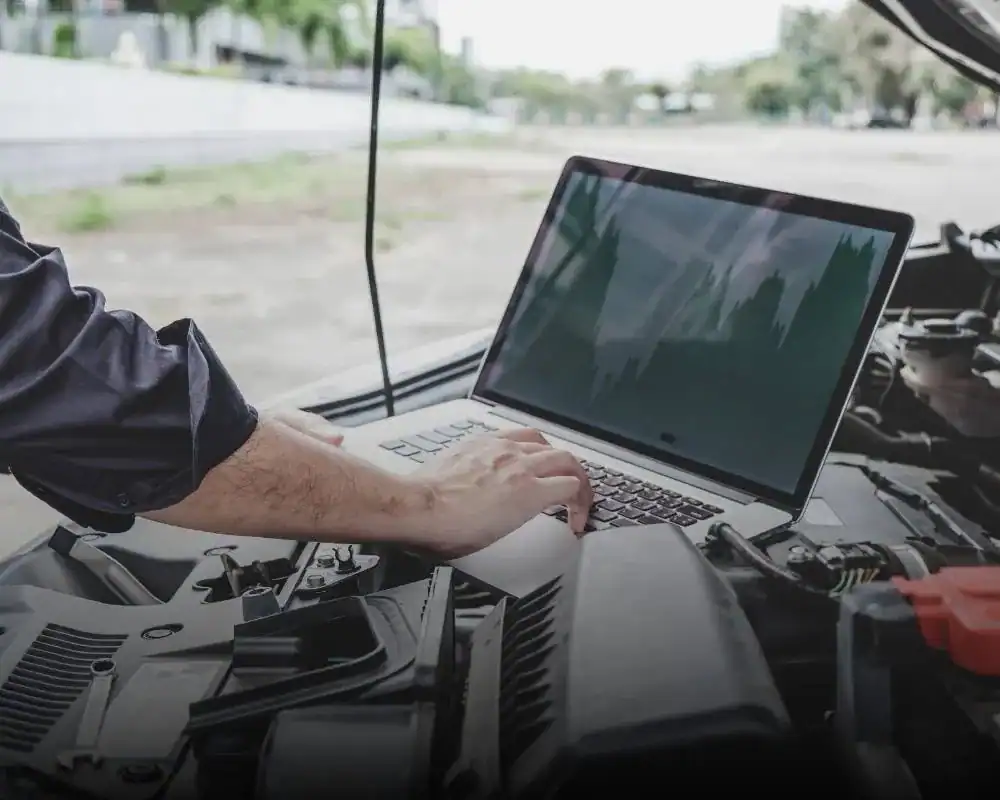
The digital inspection process makes a huge difference here. When we can show you photos or video of your actual belt wear, fluid condition, or valve body problems, you’re not just taking our word for it. You’re seeing exactly what’s happening inside your transmission. That transparency matters when you’re making a decision about a repair that could cost thousands.

Why General Mechanics Avoid CVT Transmission Work

You’ve probably noticed this if you’ve called around Athens or Clarke County: many shops won’t touch CVT work. They’ll tell you to go to the dealership or find a transmission specialist. That’s not because they’re trying to be difficult. It’s because CVTs are genuinely complicated, and most general repair shops don’t have the training or equipment to work on them properly.

CVTs are still relatively new compared to traditional automatics. The technology has only become widespread in the last 15 years, and it’s constantly evolving. Staying current on CVT repair techniques requires ongoing training that most general mechanics simply don’t prioritize. They’re focused on oil changes, brake jobs, and engine work—the bread and butter services that keep their bays full.

But here’s where it gets tricky for you as a vehicle owner. When a general mechanic does agree to work on your CVT, they’re often learning on your car. They might get it right. They might not. And if they don’t, you’re the one who pays for it.

The other issue is parts availability. CVT-specific components aren’t as readily available as parts for traditional transmissions. We maintain relationships with suppliers who can get the right parts quickly. We know which components are prone to failure on specific models. We understand the difference between a problem that needs a full replacement and one that can be repaired with a valve body or software update.

Time matters too. A general mechanic might spend days troubleshooting a CVT issue that we would diagnose in an hour. That’s not a knock on their skills—it’s just reality. When you work on CVTs every day, you recognize patterns. You know what a failing Nissan Jatco CVT sounds like versus a Honda CVT with a software glitch. That experience saves you both time and money.

Common CVT Problems That Require a CVT Transmission Specialist

Not every CVT problem looks the same, and that’s exactly why specialized knowledge matters. The symptoms you’re experiencing right now could mean anything from a simple fluid change to a complete transmission failure. The difference often comes down to how quickly you catch it and who’s doing the diagnosis.

CVT problems tend to escalate fast. What starts as a minor shudder can progress to complete failure in weeks if the underlying cause isn’t addressed. That’s very different from traditional automatics, which often limp along for months with issues. This is where having a CVT transmission specialist in Athens, GA who understands these failure patterns becomes critical to protecting your investment.

Nissan, Honda, and Toyota CVT Issues That Need Expert Diagnosis

If you drive a Nissan, you’ve probably heard the stories. Certain Nissan models—particularly the 2013-2018 Altima and 2014-2016 Rogue—have well-documented CVT problems. Shuddering, hesitation from a standstill, and premature failure were reported widely enough that Nissan extended warranties on affected vehicles. The failure rate during the warranty period was nearly 6% for some model years. That’s significant.

But here’s what matters for you: not every Nissan CVT is doomed. Many of the failures come down to maintenance—or lack of it. Using the wrong fluid, skipping recommended service intervals, or ignoring early warning signs turns a manageable issue into a catastrophic one. As a CVT specialist who works on Nissan transmissions regularly, we know which problems are design-related and which are maintenance-related. That knowledge determines whether you’re looking at a $500 fluid service or a $6,000 replacement.

Honda and Toyota CVTs have better reliability records overall, but they’re not problem-free. Honda was more conservative in their CVT deployment and used their own design rather than outsourcing to a third party. They also recommended regular fluid changes from the beginning, which makes a difference. Honda CVTs can still develop issues—belt wear, overheating, valve body problems—but the failure rate is a fraction of what Nissan experienced.

Toyota took the most cautious approach. Their hybrid CVTs, like the ones in the Prius, use a completely different design and have been highly reliable. Their non-hybrid CVTs in vehicles like the Corolla also have a solid track record. But “reliable” doesn’t mean “indestructible.” If you’re experiencing symptoms—delayed engagement, unusual noises, or slipping—you still need someone who knows what they’re looking at.

The earliest red flags are subtle: RPM fluctuations during steady cruising, a slight delay when you shift from Park to Drive, a whining noise that wasn’t there before. Catching these symptoms within the first 500 miles of onset typically means you only need a fluid service. Wait too long, and you’re looking at a full transmission replacement. That’s why specialized knowledge matters. As a CVT specialist, we recognize those early warning signs and know how to address them before they snowball.

CVT Fluid and Maintenance Requirements Most Shops Get Wrong

Here’s one of the most common—and most expensive—mistakes: using the wrong fluid. CVT fluid is not the same as regular automatic transmission fluid. The friction characteristics are completely different. CVTs rely on precise belt-to-pulley contact, and the fluid plays a critical role in making that work correctly.

Using standard ATF in a CVT is one of the most common causes of premature failure. The viscosity is wrong. The friction modifiers are wrong. And once the wrong fluid is in there, the damage starts immediately. You might not notice it right away, but you’re accelerating wear throughout the system.

As a CVT transmission shop that specializes in this work, we know which fluid your specific vehicle needs. We’re not guessing or using “universal” products. We’re using manufacturer-specified CVT fluid that meets the exact requirements for your transmission. That attention to detail is the difference between a transmission that lasts 150,000 miles and one that fails at 80,000.

Maintenance intervals matter too. Most manufacturers recommend CVT fluid changes every 40,000 to 60,000 miles, but that can vary based on driving conditions. If you’re doing a lot of stop-and-go city driving, towing, or driving in hot weather, you need more frequent service. We understand those variables and can recommend a maintenance schedule that actually fits how you use your vehicle.

Most CVT problems are maintenance failures, not design failures. Dirty or low transmission fluid. Incorrect fluid used. Overheating due to clogged coolers or old fluid. Valve body wear from lack of maintenance. These are all preventable issues if you’re working with someone who understands CVT-specific needs.

The other piece that gets overlooked is the cooling system. CVTs generate heat, and they rely on proper cooling to function correctly. Many CVT issues stem from overheating due to towing, stop-and-go driving in hot weather, or cooling system failures. We know how to check for cooling system problems and address them before they damage your transmission. That’s not something a general mechanic typically thinks to look for when diagnosing transmission symptoms.

Finding a Qualified CVT Specialist in Athens, GA

Your CVT is one of the most expensive components in your vehicle to replace. Getting the diagnosis and repair right the first time isn’t just about convenience—it’s about protecting a significant investment. Specialized knowledge makes the difference between catching a problem early when it’s fixable and waiting until you’re facing a complete transmission replacement.

Look for master-certified technicians who have specific CVT training. Ask about their diagnostic equipment and whether they use manufacturer-specified fluids. Transparency matters too—you should see exactly what’s happening with your transmission through photos or video before any work begins.

If you’re in Athens, Watkinsville, Bogart, or anywhere in Clarke County and you’re experiencing CVT symptoms, we offer the specialized CVT expertise you need. Our master-certified technicians diagnose and repair CVT transmissions every day, using digital inspections to show you exactly what’s happening with your vehicle. We back our work with a 24-month/24,000-mile warranty on transmission rebuilds and offer transparent pricing with your approval before any work begins. Don’t wait until a minor issue becomes a major failure—reach out to us and get your CVT checked by technicians who actually specialize in this work.
You’re hearing a whining noise when you accelerate. Maybe your transmission shudders when you pull away from a stop. Or your check engine light just came on, and the code mentions your transmission. If you drive a Nissan, Honda, Toyota, or Subaru built in the last decade, there’s a good chance you have a CVT. And here’s what most people don’t realize until it’s too late: your regular mechanic probably doesn’t have the training to properly diagnose or repair it. CVT transmissions operate completely differently from traditional automatics, and that difference matters more than you think. Getting it wrong doesn’t just cost you money. It can turn a fixable problem into a total transmission failure. Let’s talk about why specialized CVT knowledge isn’t just helpful—it’s essential.

What Makes CVT Transmissions Different from Regular Automatics

A CVT doesn’t have gears. Instead of the fixed gear ratios you’ll find in a traditional automatic transmission, a CVT uses a belt and pulley system that provides an infinite range of ratios. That’s why your car feels like it’s accelerating smoothly without the “shift” you’re used to.

The problem is that this design requires completely different diagnostic approaches, different fluids, and different repair techniques. A general mechanic might understand how an automatic transmission works, but CVTs are a different animal entirely. The skills don’t automatically transfer, which is why finding a qualified CVT specialist in Clarke County, GA makes such a significant difference in both the accuracy of your diagnosis and the longevity of your repair.

CVT Gearbox Specialist Training and Diagnostic Equipment

Here’s what most people don’t know: there are now over 172 different types of transmissions on the road, and each one has its own quirks. A CVT gearbox specialist doesn’t just understand transmissions in general. We’ve invested in manufacturer-specific diagnostic equipment that can read the codes and data your CVT is generating.

Generic code readers miss critical information. They’ll tell you there’s a transmission problem, but they won’t tell you whether it’s a valve body issue, a belt wear problem, or an electronic control module failure. That matters because the difference between those diagnoses is thousands of dollars.

A CVT specialist also knows the difference between normal CVT operation and actual problems. CVTs make different noises than traditional automatics. They behave differently under acceleration. If you take your car to someone who’s only worked on a handful of CVTs, they might misdiagnose normal operation as a problem, or worse, miss a real issue until it’s too late.

The digital inspection process makes a huge difference here. When we can show you photos or video of your actual belt wear, fluid condition, or valve body problems, you’re not just taking our word for it. You’re seeing exactly what’s happening inside your transmission. That transparency matters when you’re making a decision about a repair that could cost thousands.

Why General Mechanics Avoid CVT Transmission Work

You’ve probably noticed this if you’ve called around Athens or Clarke County: many shops won’t touch CVT work. They’ll tell you to go to the dealership or find a transmission specialist. That’s not because they’re trying to be difficult. It’s because CVTs are genuinely complicated, and most general repair shops don’t have the training or equipment to work on them properly.

CVTs are still relatively new compared to traditional automatics. The technology has only become widespread in the last 15 years, and it’s constantly evolving. Staying current on CVT repair techniques requires ongoing training that most general mechanics simply don’t prioritize. They’re focused on oil changes, brake jobs, and engine work—the bread and butter services that keep their bays full.

But here’s where it gets tricky for you as a vehicle owner. When a general mechanic does agree to work on your CVT, they’re often learning on your car. They might get it right. They might not. And if they don’t, you’re the one who pays for it.

The other issue is parts availability. CVT-specific components aren’t as readily available as parts for traditional transmissions. We maintain relationships with suppliers who can get the right parts quickly. We know which components are prone to failure on specific models. We understand the difference between a problem that needs a full replacement and one that can be repaired with a valve body or software update.

Time matters too. A general mechanic might spend days troubleshooting a CVT issue that we would diagnose in an hour. That’s not a knock on their skills—it’s just reality. When you work on CVTs every day, you recognize patterns. You know what a failing Nissan Jatco CVT sounds like versus a Honda CVT with a software glitch. That experience saves you both time and money.

Common CVT Problems That Require a CVT Transmission Specialist

Not every CVT problem looks the same, and that’s exactly why specialized knowledge matters. The symptoms you’re experiencing right now could mean anything from a simple fluid change to a complete transmission failure. The difference often comes down to how quickly you catch it and who’s doing the diagnosis.

CVT problems tend to escalate fast. What starts as a minor shudder can progress to complete failure in weeks if the underlying cause isn’t addressed. That’s very different from traditional automatics, which often limp along for months with issues. This is where having a CVT transmission specialist in Athens, GA who understands these failure patterns becomes critical to protecting your investment.

Nissan, Honda, and Toyota CVT Issues That Need Expert Diagnosis

If you drive a Nissan, you’ve probably heard the stories. Certain Nissan models—particularly the 2013-2018 Altima and 2014-2016 Rogue—have well-documented CVT problems. Shuddering, hesitation from a standstill, and premature failure were reported widely enough that Nissan extended warranties on affected vehicles. The failure rate during the warranty period was nearly 6% for some model years. That’s significant.

But here’s what matters for you: not every Nissan CVT is doomed. Many of the failures come down to maintenance—or lack of it. Using the wrong fluid, skipping recommended service intervals, or ignoring early warning signs turns a manageable issue into a catastrophic one. As a CVT specialist who works on Nissan transmissions regularly, we know which problems are design-related and which are maintenance-related. That knowledge determines whether you’re looking at a $500 fluid service or a $6,000 replacement.

Honda and Toyota CVTs have better reliability records overall, but they’re not problem-free. Honda was more conservative in their CVT deployment and used their own design rather than outsourcing to a third party. They also recommended regular fluid changes from the beginning, which makes a difference. Honda CVTs can still develop issues—belt wear, overheating, valve body problems—but the failure rate is a fraction of what Nissan experienced.

Toyota took the most cautious approach. Their hybrid CVTs, like the ones in the Prius, use a completely different design and have been highly reliable. Their non-hybrid CVTs in vehicles like the Corolla also have a solid track record. But “reliable” doesn’t mean “indestructible.” If you’re experiencing symptoms—delayed engagement, unusual noises, or slipping—you still need someone who knows what they’re looking at.

The earliest red flags are subtle: RPM fluctuations during steady cruising, a slight delay when you shift from Park to Drive, a whining noise that wasn’t there before. Catching these symptoms within the first 500 miles of onset typically means you only need a fluid service. Wait too long, and you’re looking at a full transmission replacement. That’s why specialized knowledge matters. As a CVT specialist, we recognize those early warning signs and know how to address them before they snowball.

CVT Fluid and Maintenance Requirements Most Shops Get Wrong

Here’s one of the most common—and most expensive—mistakes: using the wrong fluid. CVT fluid is not the same as regular automatic transmission fluid. The friction characteristics are completely different. CVTs rely on precise belt-to-pulley contact, and the fluid plays a critical role in making that work correctly.

Using standard ATF in a CVT is one of the most common causes of premature failure. The viscosity is wrong. The friction modifiers are wrong. And once the wrong fluid is in there, the damage starts immediately. You might not notice it right away, but you’re accelerating wear throughout the system.

As a CVT transmission shop that specializes in this work, we know which fluid your specific vehicle needs. We’re not guessing or using “universal” products. We’re using manufacturer-specified CVT fluid that meets the exact requirements for your transmission. That attention to detail is the difference between a transmission that lasts 150,000 miles and one that fails at 80,000.

Maintenance intervals matter too. Most manufacturers recommend CVT fluid changes every 40,000 to 60,000 miles, but that can vary based on driving conditions. If you’re doing a lot of stop-and-go city driving, towing, or driving in hot weather, you need more frequent service. We understand those variables and can recommend a maintenance schedule that actually fits how you use your vehicle.

Most CVT problems are maintenance failures, not design failures. Dirty or low transmission fluid. Incorrect fluid used. Overheating due to clogged coolers or old fluid. Valve body wear from lack of maintenance. These are all preventable issues if you’re working with someone who understands CVT-specific needs.

The other piece that gets overlooked is the cooling system. CVTs generate heat, and they rely on proper cooling to function correctly. Many CVT issues stem from overheating due to towing, stop-and-go driving in hot weather, or cooling system failures. We know how to check for cooling system problems and address them before they damage your transmission. That’s not something a general mechanic typically thinks to look for when diagnosing transmission symptoms.

Finding a Qualified CVT Specialist in Athens, GA

Your CVT is one of the most expensive components in your vehicle to replace. Getting the diagnosis and repair right the first time isn’t just about convenience—it’s about protecting a significant investment. Specialized knowledge makes the difference between catching a problem early when it’s fixable and waiting until you’re facing a complete transmission replacement.

Look for master-certified technicians who have specific CVT training. Ask about their diagnostic equipment and whether they use manufacturer-specified fluids. Transparency matters too—you should see exactly what’s happening with your transmission through photos or video before any work begins.

If you’re in Athens, Watkinsville, Bogart, or anywhere in Clarke County and you’re experiencing CVT symptoms, we offer the specialized CVT expertise you need. Our master-certified technicians diagnose and repair CVT transmissions every day, using digital inspections to show you exactly what’s happening with your vehicle. We back our work with a 24-month/24,000-mile warranty on transmission rebuilds and offer transparent pricing with your approval before any work begins. Don’t wait until a minor issue becomes a major failure—reach out to us and get your CVT checked by technicians who actually specialize in this work.
Article details:

Share: