Your diesel truck isn’t just transportation. It’s how you make a living, haul equipment, tow trailers, and get the job done. When the transmission starts slipping gears, shifting hard, or showing warning lights, you’re not just dealing with an inconvenience—you’re looking at potential downtime that costs you money.
The problem? Not every transmission shop knows diesel systems. And even fewer understand the specific differences between Ford, Dodge, and Chevy diesel transmissions. What works for a gasoline engine won’t cut it when you’re dealing with the torque and demands of a diesel powertrain. You need someone who gets it.
This guide walks you through what makes each brand different, the common issues you’re likely facing, and what to look for when choosing diesel truck transmission repair in Clarke County, GA.
Why Diesel Truck Transmissions Are Different From Gas
Diesel engines produce significantly more torque than gasoline engines. That extra power is exactly why you bought a diesel truck in the first place—for towing capacity, hauling heavy loads, and getting work done. But all that torque puts serious stress on your transmission.
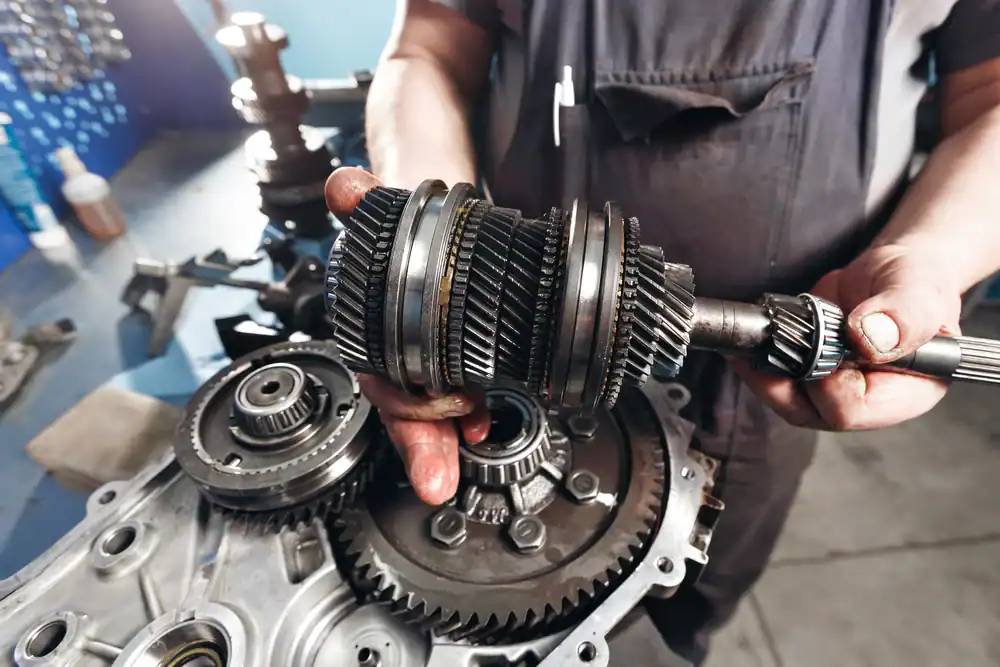
A diesel transmission has to handle forces that would destroy a standard automatic transmission. The internal components are built heavier. The clutch packs are designed differently. The torque converters are reinforced. Even the transmission fluid operates under higher temperatures and pressures.
This is why taking your diesel truck to a general repair shop can be a gamble. If they’re used to working on passenger cars or light-duty trucks, they might not have the diagnostic tools, the parts knowledge, or the rebuild experience your truck actually needs. Diesel transmissions require specialized equipment to diagnose properly—and master-certified technicians who understand how these systems behave under real-world commercial use.
Common Diesel Transmission Problems You Can't Ignore
Certain transmission issues show up across all diesel trucks, regardless of brand. Recognizing these early can save you from a complete rebuild.
Slipping gears is one of the most common complaints. You’re driving down the highway and suddenly the RPMs spike without a corresponding increase in speed. Or the truck hesitates when you accelerate from a stop. That’s usually a sign of worn clutch packs or low fluid pressure—both of which get worse the longer you wait.
Hard shifting between gears is another red flag. If your truck jerks or slams into gear, especially when cold, you’re likely dealing with a valve body issue, a failing solenoid, or contaminated transmission fluid. In diesel applications, this can also point to problems with the torque converter lockup.
Overheating is particularly problematic for trucks used in towing or commercial work. Diesel transmissions generate a lot of heat under load. If your transmission temperature gauge is running hot, or you smell burning fluid, that’s your transmission telling you it’s being pushed beyond its limits. Continuing to drive can cause catastrophic internal damage.
Fluid leaks might seem minor, but they’re not. Transmission fluid doesn’t just lubricate—it’s what creates the hydraulic pressure needed to shift gears. Even a small leak can drop fluid levels enough to cause slipping, overheating, and accelerated wear on internal components.
If you’re seeing any of these symptoms, the worst thing you can do is hope they go away. Diesel transmission problems don’t fix themselves. They escalate. What starts as a $500 repair can turn into a $5,000 rebuild if you keep driving on it.
What a Proper Diesel Transmission Diagnosis Should Include
A real diagnosis isn’t someone test-driving your truck and making a guess. Diesel transmissions are too complex for that. You need a shop with the right diagnostic equipment and the expertise to interpret what they’re seeing.
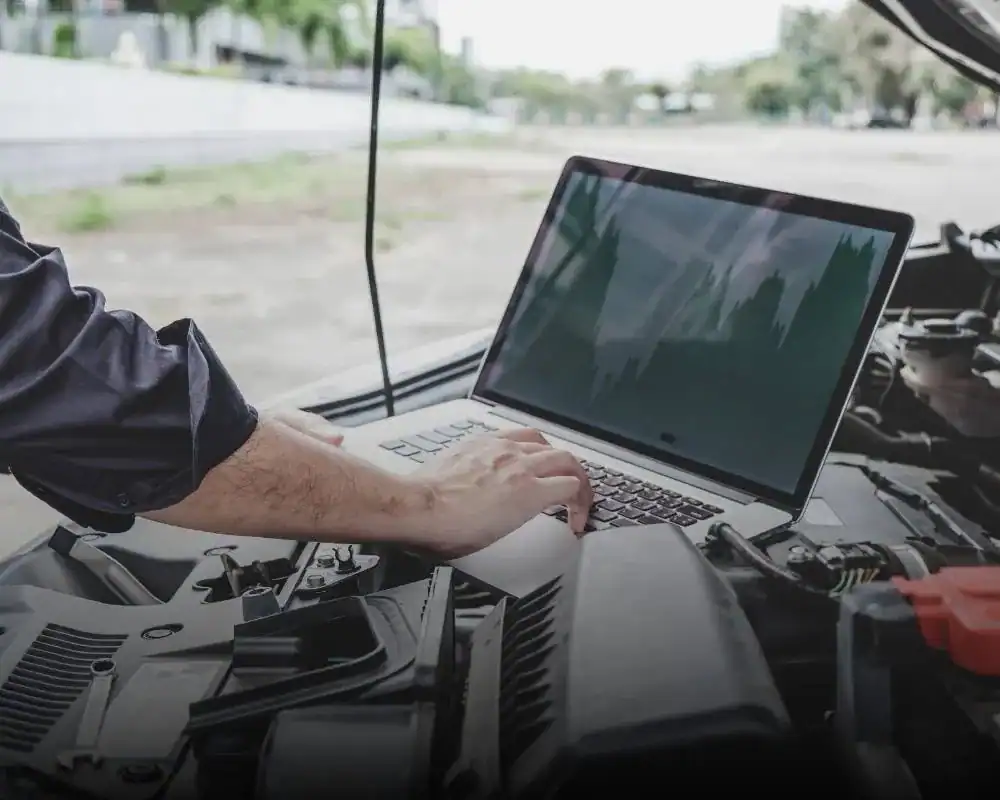
Modern diesel trucks use electronic controls to manage transmission behavior. That means a proper diagnosis starts with plugging into your truck’s computer system using manufacturer-specific diagnostic software. This reveals fault codes, shift patterns, fluid temperatures, and sensor readings that tell the story of what’s actually happening inside your transmission.
A visual inspection should follow. That includes checking fluid level and condition, looking for leaks around seals and gaskets, inspecting cooler lines, and examining the transmission pan for metal shavings or debris. Dark, burnt-smelling fluid or visible metal particles are clear indicators of internal wear.
For commercial trucks or heavy-duty applications, pressure testing is often necessary. This measures the hydraulic pressure in different circuits of the transmission to pinpoint where pressure is dropping. Low pressure in specific areas points directly to failing components like pump wear, valve body issues, or clutch pack deterioration.
A road test under load conditions is the final piece. Your technician should drive the truck the way you actually use it—accelerating hard, towing if possible, and monitoring how the transmission behaves under real-world stress. That’s when intermittent problems show themselves.
This entire process takes time. If a shop quotes you a transmission rebuild after a five-minute test drive, they’re guessing. And guessing costs you money when they tear into a transmission and find something different than what they thought.
We document our findings with photos and videos, especially when we’re recommending major work. You should see what we’re seeing—whether that’s burnt clutches, worn gears, or damaged valve bodies—before you approve a repair.
Ford Transmission Specialist: What Ford Diesel Owners Need to Know
Ford diesel trucks primarily use two transmission families: the older TorqShift and the newer 10-speed automatic. Both are designed to handle the torque from Power Stroke diesel engines, but they have different strengths and common failure points.
The TorqShift (found in Super Duty trucks from 2003-2019) is a tough transmission when maintained properly. It’s a 5-speed or 6-speed unit built by Ford specifically for heavy-duty applications. The most common issues are torque converter shudder, especially in higher-mileage trucks, and valve body wear that causes harsh or delayed shifts.
Ford’s 10-speed transmission (introduced in 2017 and becoming standard in newer Super Duty models) is a different animal. It’s a joint design with General Motors and shares some components with Chevy’s 10-speed. Early versions had issues with hard shifts and adaptive learning problems, but Ford has released several software updates to address these. If you own a newer Ford diesel with the 10-speed and you’re experiencing shifting issues, a software flash might solve it before you need any hard parts.
Ford Power Stroke Transmission Repair Costs and Expectations
Ford transmission repairs tend to be more affordable than Dodge or Chevy when you’re talking about parts availability and labor time. That’s partly because Ford has a massive dealer network and aftermarket support, which keeps parts prices competitive.
A torque converter replacement on a Ford Super Duty typically runs between $1,200 and $2,500 depending on whether you’re also addressing other issues at the same time. If the problem is caught early—before the failing torque converter damages the clutches or pump—you can avoid a full rebuild.
Valve body repairs or replacements are another common Ford diesel transmission service. Symptoms include delayed engagement, harsh shifts, or the transmission staying in one gear. Depending on the model year and transmission type, a valve body service can range from $800 to $1,800.
A complete transmission rebuild for a Ford diesel truck generally falls in the $3,500 to $6,000 range. That includes removing the transmission, disassembling it completely, replacing worn clutches, seals, gaskets, and any damaged hard parts, then reassembling and reinstalling it with fresh fluid. Higher costs usually mean you’re dealing with an F-450 or F-550 chassis cab with a heavier-duty transmission.
One advantage Ford owners have is that remanufactured transmissions are widely available. If your transmission is too far gone to rebuild cost-effectively, a quality remanufactured unit with a warranty can sometimes be installed for less than a custom rebuild. Just make sure you’re getting a unit specifically built for diesel applications—not a gasser transmission that won’t hold up.
When choosing a Ford transmission specialist in Athens, GA, ask about experience with Power Stroke applications specifically. The 6.7L Power Stroke puts out over 1,000 lb-ft of torque in newer models. That’s not the same as working on an F-150 with a gasoline V8. You need someone who understands the demands of diesel towing and has access to Ford-specific diagnostic software.
Dodge Cummins and Chevy Duramax: Transmission Differences That Matter
Dodge and Chevy took very different approaches to diesel truck transmissions, and understanding those differences matters when you’re facing a repair decision.
Dodge RAM trucks with the Cummins diesel use several transmission options depending on the year and model. The 68RFE (2007.5-present in 2500/3500 models) is a 6-speed automatic known for being strong when properly maintained but expensive when it fails. Common 68RFE problems include gear slipping, shuddering during shifts, and overheating under heavy towing loads. The earlier 47RE and 48RE transmissions (used in older Cummins trucks) are simpler 4-speed units that are cheaper to rebuild but lack the gear range for modern towing efficiency.
Dodge also offered the Aisin AS68RC in some RAM 3500 and higher models. This is a heavy-duty 6-speed built by Aisin specifically for high-torque diesel applications. It’s incredibly strong and reliable, but parts are expensive and it’s not tunable like the 68RFE. If you have an Aisin transmission, you’re likely not going to have problems—but if you do, expect premium repair costs.
Chevy and GMC heavy-duty trucks with the Duramax diesel almost exclusively use Allison transmissions. The Allison 1000 series is the gold standard in commercial diesel transmissions. It’s the same transmission family used in school buses, delivery trucks, and medium-duty commercial vehicles. Allison transmissions are known for smooth shifts, incredible durability, and the ability to handle repeated heavy towing without breaking a sweat.
However, Allison transmissions aren’t bulletproof. The most common issue is torque converter failure, which causes shuddering, slipping, or overheating. Allison-specific repairs require specialized knowledge—these aren’t your typical rebuild. You need a shop that’s familiar with Allison’s unique design, has access to genuine Allison parts, and ideally holds Allison certifications.
One major difference between Dodge and Chevy diesel transmissions is tunability. The 68RFE can be reprogrammed and modified for performance or towing applications. The Allison 1000, while incredibly strong, has limited tuning options without voiding warranties or causing reliability issues. That’s something to consider if you’re planning to add performance upgrades to your truck.
Cost-wise, Allison transmission rebuilds tend to be on the higher end—typically $4,000 to $7,000—because of the complexity and parts costs. Dodge 68RFE rebuilds usually fall in the $3,000 to $5,500 range. But remember, these are heavy-duty transmissions built for commercial use. Cutting corners on parts or labor to save a few hundred dollars now can cost you thousands later when the repair fails.
Honda Transmission Shop and Other Specialty Transmission Services
While diesel truck transmission repair requires one type of expertise, a full-service transmission shop should also handle the complete range of vehicles you might own or operate. That includes import vehicles like Honda and Subaru, as well as manual transmission specialist services.
Honda vehicles are known for reliability, but their automatic transmissions—particularly in models like the Accord, Odyssey, and Pilot—have had well-documented issues with premature failure. A Honda transmission shop needs specific knowledge of these common failure points, access to Honda-specific parts, and experience with the unique design of Honda’s 5-speed and 6-speed automatics. If you’re running a mixed fleet that includes both diesel trucks and Honda work vehicles, finding a shop that handles both saves you time.
Subaru transmission specialist services are equally important for those who own Subaru vehicles alongside their diesel trucks. Subaru’s continuously variable transmissions (CVTs) and their symmetrical all-wheel-drive systems require different diagnostic approaches and repair techniques than traditional automatics. A Subaru transmission specialist understands these systems and can address issues like shuddering, hesitation, or CVT failure without guesswork.